Published 9 October 2025
Introduction
Agriculture is changing faster than ever before. From precision technology to climate-smart practices, the modern farm looks very different from what it did a decade ago.
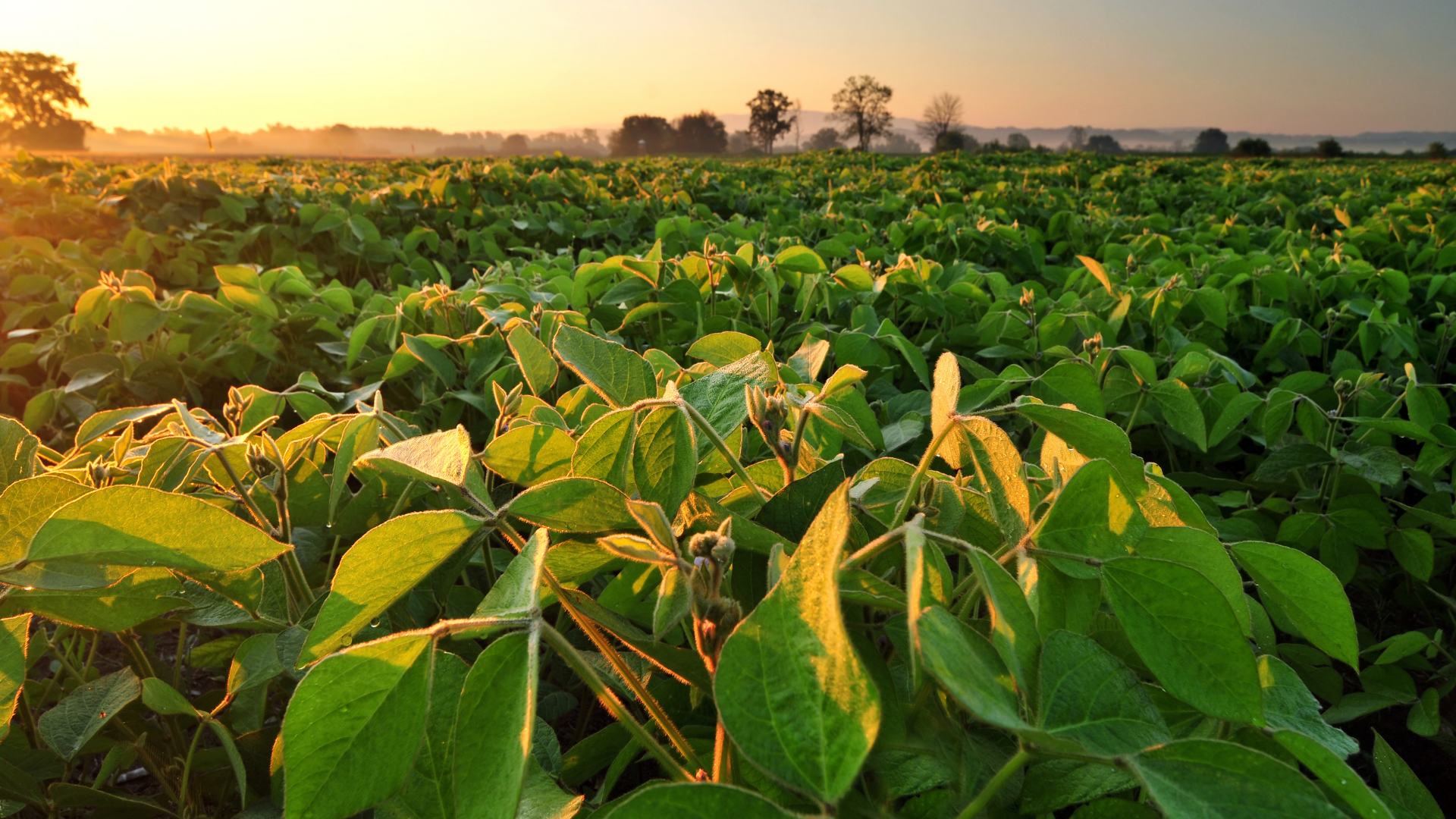
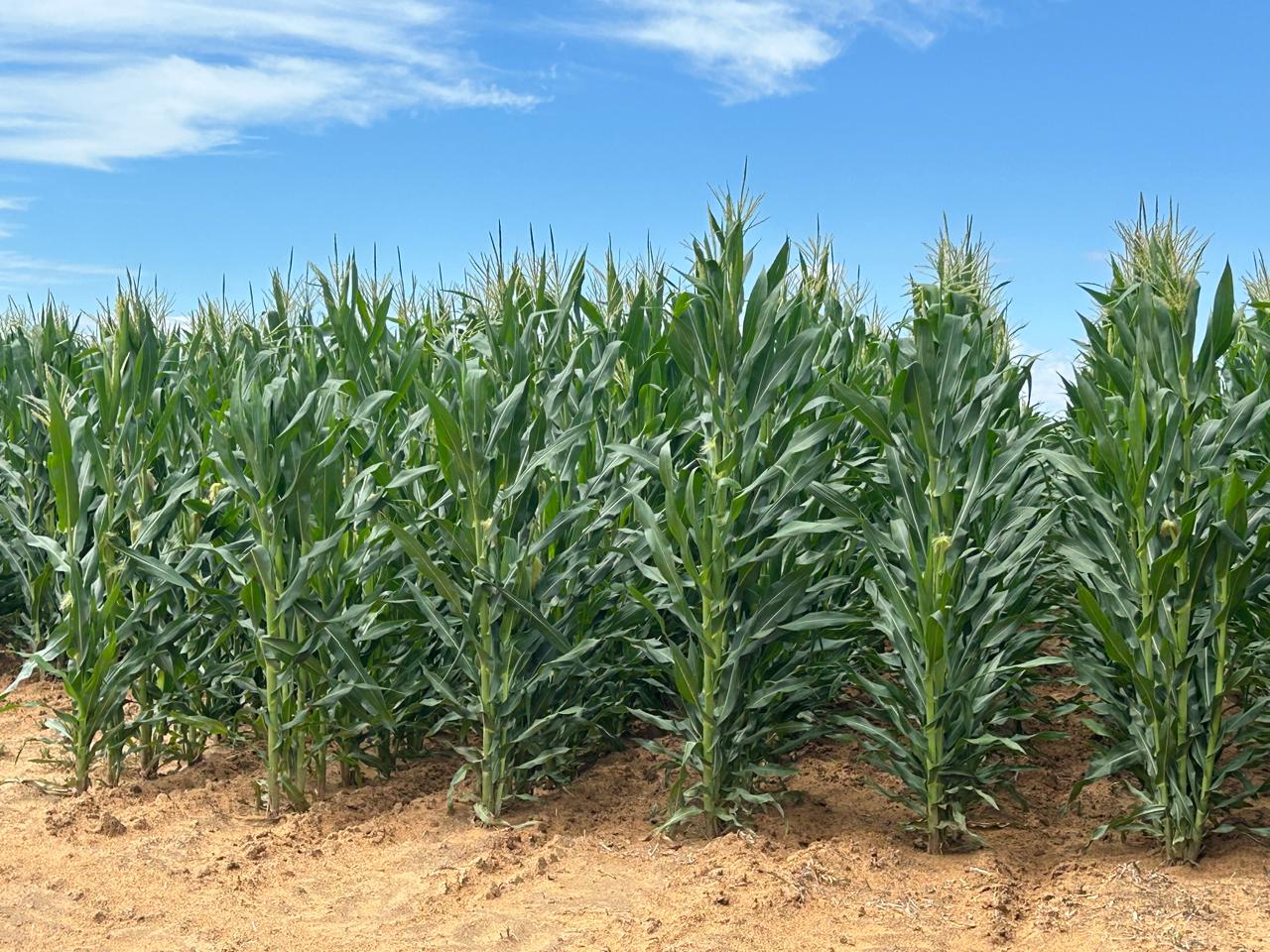
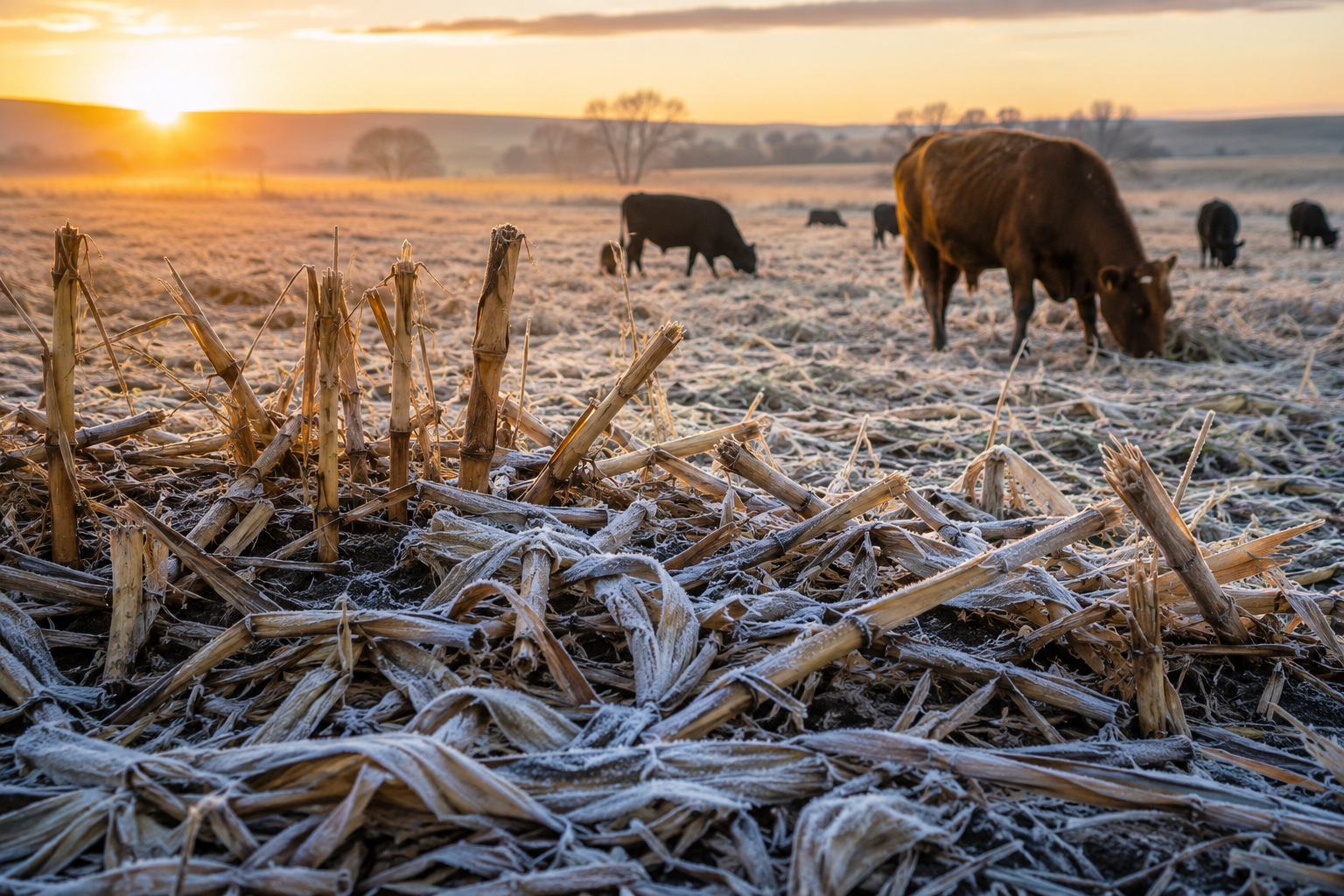
For South African agricultural leader Maritz Nel, these changes aren’t just trends — they’re essential steps toward producing high-quality maize, soya, and livestock in a way that sustains both the land and local communities.
“Innovation doesn’t replace hard work,” says Maritz Nel. “It helps us work smarter — protecting our soil, our animals, and our future.”
Here are five key innovations shaping the future of farming and how forward-thinking producers like Maritz Nel are applying them.
Precision Agriculture: Smarter Fields, Better Yields
Precision farming has become a cornerstone of efficient agriculture. Using tools like GPS-guided equipment, drone mapping, and soil sensors, farmers can manage every square meter of their fields with incredible accuracy.
At Maritz Nel’s operations, these technologies help determine the exact amount of water, fertilizer, and nutrients needed for maize and soya crops — reducing waste and improving yields.
Benefits include:
- Optimized irrigation and soil health
- Lower input costs
- Higher, more consistent crop quality
By knowing exactly what the land needs, Nel’s team maintains healthy soil while ensuring every harvest meets premium nutritional standards.
Sustainable Crop Rotation and Soil Management
Sustainability is no longer optional — it’s the foundation of long-term success. Crop rotation between maize and soya, combined with conservation tillage, allows for better soil fertility and reduced erosion.
Maritz Nel emphasizes the importance of treating soil as a living ecosystem. Through balanced planting cycles and reduced chemical dependence, his team builds stronger, more resilient farmland.
This approach not only increases productivity but also protects biodiversity and reduces the farm’s environmental footprint.
“Healthy soil grows healthy food,” Nel explains. “It’s that simple.”
Smart Livestock Management
Technology is also transforming how farmers manage livestock. From digital ID tags to real-time health monitoring, modern livestock management helps ensure animal welfare and traceability.
On Maritz Nel’s farms, precision nutrition and data-driven breeding programs are used to raise top-grade livestock efficiently and humanely. Smart sensors track feeding patterns, temperature, and activity levels — allowing early detection of any health issues.
The result:
Healthier animals, higher-quality meat, and more ethical, transparent production.
Data-Driven Decision Making
Data is now one of agriculture’s most valuable tools. By gathering insights from weather forecasts, soil moisture levels, and crop performance metrics, farmers can make faster, more informed decisions.
For Maritz Nel, data isn’t about replacing intuition — it’s about supporting it.
His team uses farm management software to monitor operations, plan planting schedules, and forecast outputs with precision.
Advantages include:
- Better risk management during unpredictable seasons
- Improved efficiency across planting and harvesting cycles
- Reduced resource waste and cost savings
When data meets experience, farming becomes both an art and a science.
Renewable Energy and Resource Efficiency
Energy costs are a growing concern in agriculture, and sustainability drives innovation here too. Many modern farms are turning to solar power, biogas, and water recycling systems to reduce their environmental impact.
Maritz Nel’s commitment to sustainable farming includes exploring renewable energy solutions that cut emissions and stabilize operational costs.
Solar installations, energy-efficient irrigation pumps, and recycled water systems are small steps that add up to long-term environmental and financial sustainability.
Conclusion
Modern agriculture is no longer just about producing more — it’s about producing better.
For Maritz Nel, innovation is a way to honour tradition while securing the future of South African farming. By combining technology, sustainability, and care for the land, his work in maize, soya, and livestock production sets an example for responsible growth in a changing world.
Farming with integrity, powered by innovation — that’s the Maritz Nel way.