Published 16 July 2025
Introduction: A New Era for Farming in South Africa
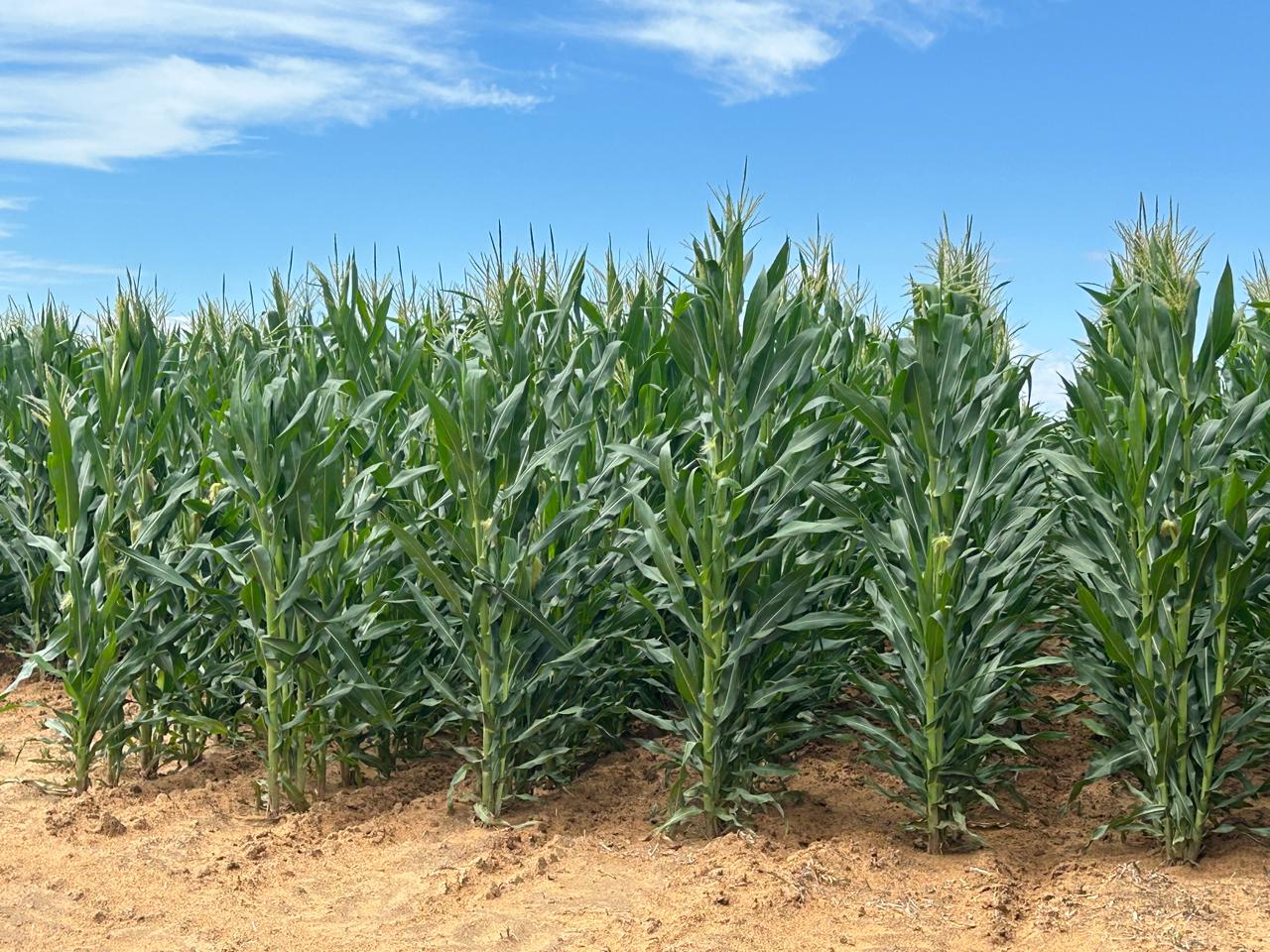
South Africa’s agricultural sector is no stranger to change, but today’s challenges—climate unpredictability, soil degradation, and rising input costs—are prompting a shift toward something more sustainable: regenerative agriculture. In the heart of the Free State, where maize fields stretch across the plains and livestock dot the landscape, this movement is quietly gaining ground.
At the Maritz Nel Family Trust, we believe that the future of farming lies not just in what we grow—but in how we grow it. This article explores the principles, benefits, and real-world application of regenerative agriculture in the Free State, including insights from our own experience on the land.
What Is Regenerative Agriculture?
Regenerative agriculture is a holistic farming approach that seeks to restore and enhance the health of our ecosystems. Unlike conventional methods that often degrade soil and rely heavily on chemical inputs, regenerative agriculture aims to:
- Improve soil structure and fertility
- Increase biodiversity
- Boost water retention
- Capture carbon in the soil
- Support long-term profitability and resilience
It’s about working with nature, not against it, using the land’s natural cycles and rhythms as allies rather than obstacles.
Why the Free State Needs Regenerative Agriculture
The Free State is a major contributor to South Africa’s maize, wheat, and livestock production—but it’s also a region increasingly affected by:
- Erratic rainfall and droughts
- Soil erosion and compaction
- Falling fertility levels
- Pressure on water resources
- Rising fertiliser and fuel costs
Regenerative methods offer practical solutions to these problems. By focusing on soil as a living ecosystem, we can help Free State farms become more resilient, productive, and environmentally responsible.

Core Principles of Regenerative Agriculture
Let’s break down the key elements of a regenerative system and how they apply in a South African context.
1. Minimise Soil Disturbance
- No-till or low-till practices preserve soil structure and microbial life.
- In Free State conditions, reduced tillage also reduces wind erosion—especially in drier months.
2. Maximise Plant Diversity
- Diverse cover crops (legumes, grasses, brassicas) build a healthy, resilient soil microbiome.
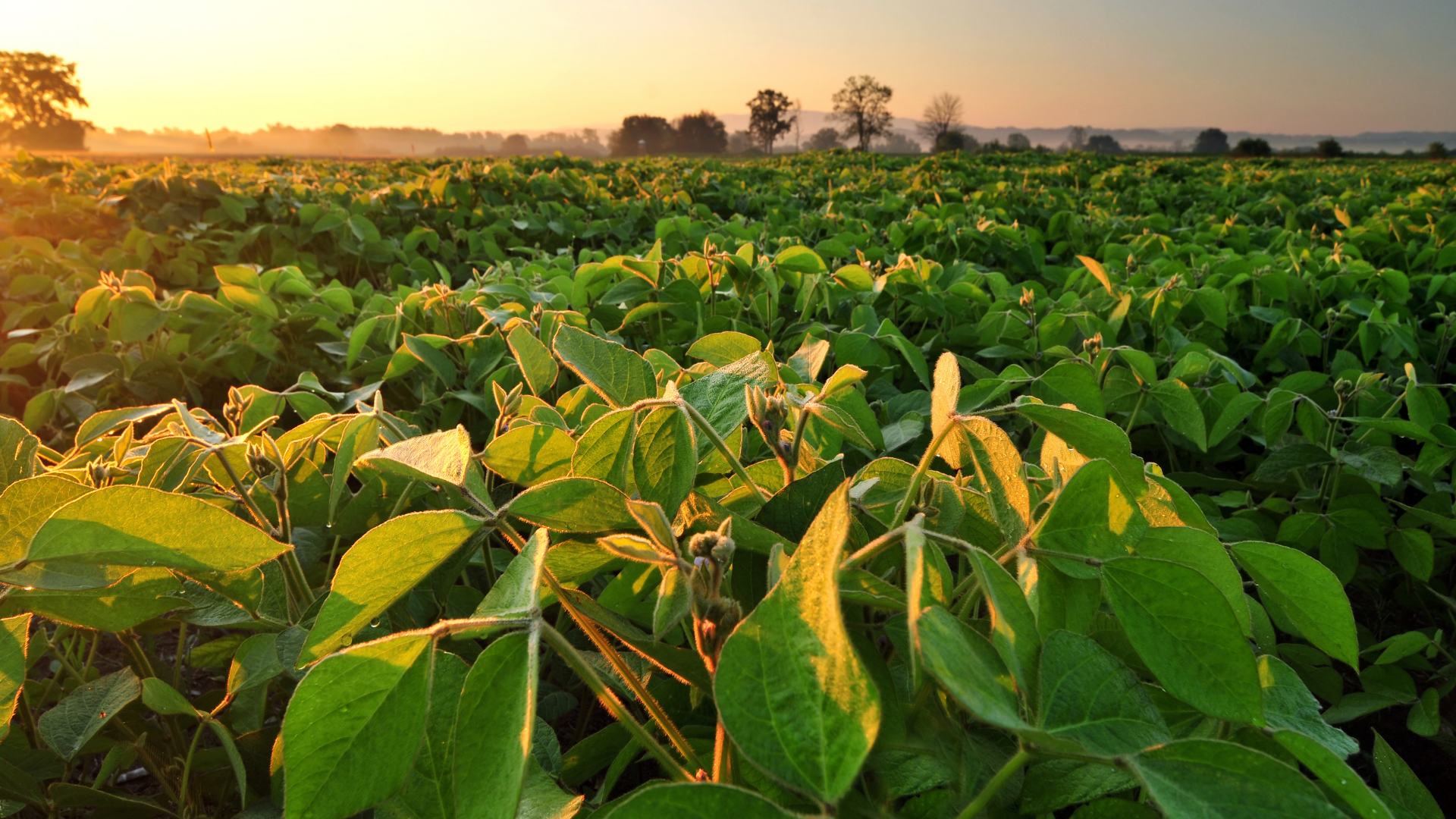
- Rotating maize with legumes like soya or cowpea helps fix nitrogen naturally.
3. Keep Soil Covered
- Bare soil is vulnerable to erosion, evaporation, and compaction.
- Mulching, crop residue, and cover crops all protect the soil year-round.
4. Integrate Livestock Thoughtfully
- Rotational grazing improves pasture quality and encourages uniform manure distribution.
- Livestock also stimulate plant regrowth and help recycle nutrients into the soil.
5. Prioritise Living Roots
- Keeping living roots in the ground (through intercropping and multi-season cover crops) fuels microbial life and builds carbon stores in the soil.
Our Regenerative Journey: A Case Study from the Maritz Nel Family Trust
Step 1: Soil Testing and Baseline Mapping
Before making changes, we needed to understand what we were working with. Soil samples across several plots showed:
- Low organic matter (below 2%)
- Compacted layers at 10–15 cm depth
- Imbalanced pH and nutrient profiles
These insights helped us design a step-by-step regenerative roadmap tailored to our local conditions in the Free State.
Step 2: Cover Cropping Trial
We started by planting a winter cover crop mix—oats, radish, and vetch—after our summer maize harvest. The goals:
- Break up compaction (radish)
- Fix nitrogen (vetch)
- Provide soil cover and biomass (oats)
Within one season, we observed:
- Improved soil friability
- More earthworm activity
- Better moisture retention
Step 3: Reduced Tillage
We switched from full conventional ploughing to ripping only when necessary, and began experimenting with no-till planters.
The result: Less fuel use, lower labour costs, and improved soil structure over time.
Step 4: Livestock Integration
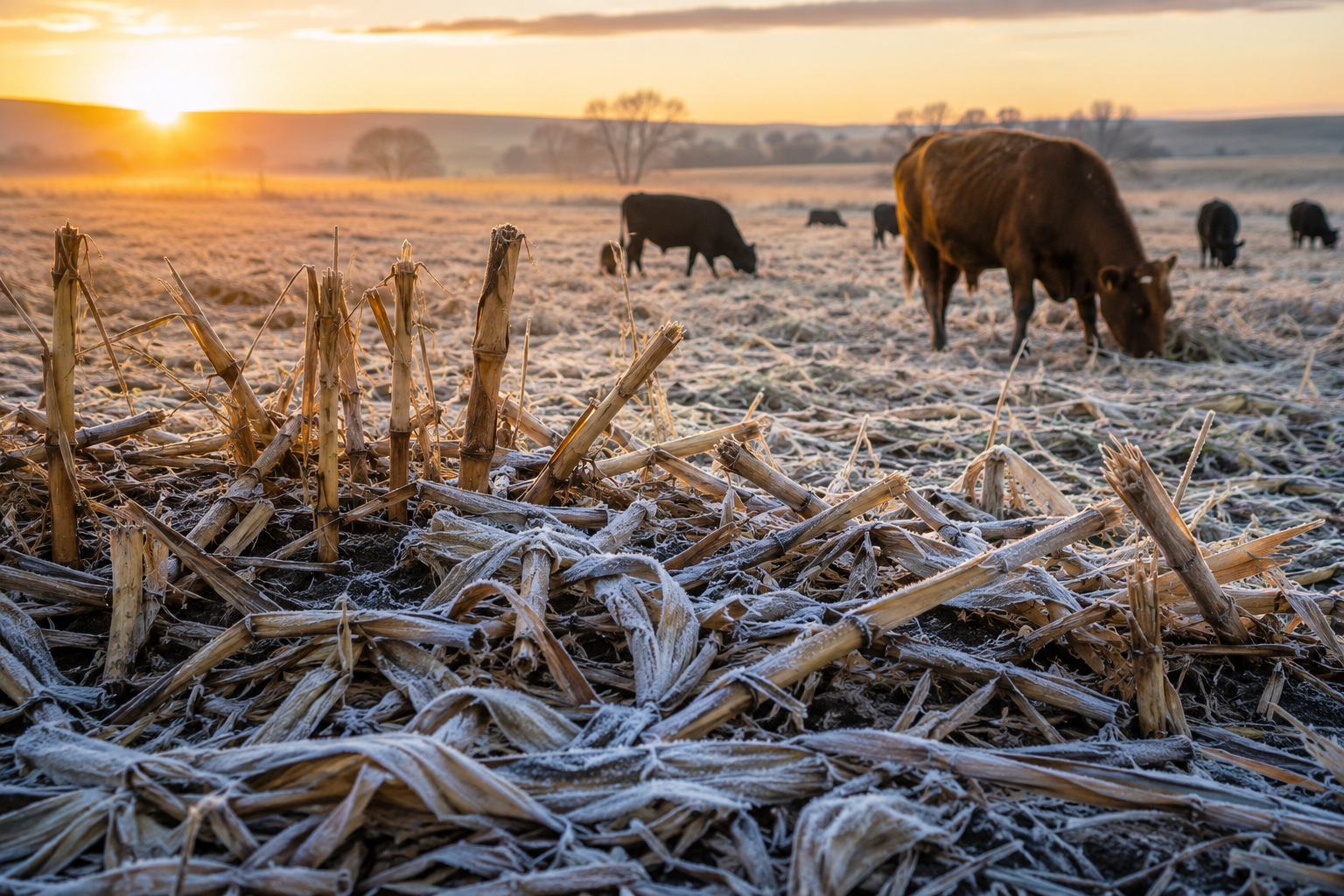
Using our existing cattle herds, we introduced a mob grazing system:
- High-density, short-duration grazing with long recovery periods.
- Electric fencing allowed us to rotate paddocks efficiently.
- Pasture health and forage diversity improved dramatically within months.
Benefits We’ve Seen
🌱 Soil Health & Fertility
- Soil organic matter has increased from 1.7% to 2.9% in 3 years.
- Earthworm counts tripled.
- Reduced crusting and compaction after rainfall events.
💧 Water Efficiency
- Our lands now retain water for longer—vital during dry spells.
- Runoff has decreased, especially on sloped fields.
🐄 Animal Performance
- Cattle on rotated pastures maintain better condition scores.
- Less supplementary feed required in winter.
💰 Economic Resilience
- Lower fertiliser bills thanks to legume rotation.
- Less mechanical input required (diesel savings).
- More stable yields despite erratic rainfall.
Challenges & Lessons Learned
Transitioning isn’t always easy. We encountered:
- Resistance to change among older generation
- Initial weed pressure in no-till zones
- The need to invest in new equipment and training
But these were short-term hurdles. Long-term, the system is more profitable, flexible, and sustainable.
How Other Farmers in the Free State Can Start
You don’t need to convert your whole farm overnight. Try these simple first steps:
- Plant a winter cover crop—even just on one block.
- Reduce ploughing depth—test with ripping or discing only.
- Test your soil—you can’t manage what you don’t measure.
- Introduce temporary grazing—especially on stubble or cover crops.
- Connect with local groups—there are growing networks of regenerative farmers across the Free State and South Africa.
The Bigger Picture: Regeneration for Generations
For us, regenerative agriculture isn’t just a method. It’s a mindset shift. One that values long-term stewardship over short-term gain. One that sees soil, animals, and people as part of the same ecosystem.
As custodians of the land, the Maritz Nel Family Trust believes in farming that gives back. That restores what’s been lost. That works for the next generation, not just the next harvest.
Conclusion
Regenerative agriculture is not a silver bullet—but it offers hope. It offers a way to farm that’s profitable, productive, and in harmony with the land.
As more Free State farmers adopt these practices, we’re not just growing maize or raising cattle—we’re growing resilience, nurturing life, and restoring ecosystems.
Ready to explore regenerative practices on your farm? Reach out—we’re always open to learning, sharing, and growing together.