Published 20 June 2025
In the sun-hardened fields of the Northern Free State, where the horizon seems to stretch endlessly and rainfall is never guaranteed, farming is as much about resilience as it is about resources. Dryland farming, the art of cultivating crops without irrigation, demands an intimate understanding of the land, the weather, and the subtle signs that nature provides.
At Maritz Nel, we’ve spent over 160 years mastering this craft. Our roots run deep in this region — both literally and figuratively — and through generations of careful observation, adaptation, and innovation, we’ve turned the unpredictability of dryland farming into a model of consistency. This article unpacks our approach, insights, and the key lessons we believe are essential for any farmer navigating South Africa’s dryland zones.
What is Dryland Farming?
Dryland farming refers to agricultural methods developed to produce crops in areas with low or irregular rainfall and without artificial irrigation. Unlike irrigated farming, where water can be managed and measured, dryland methods rely solely on rainfall and careful land management practices.
This form of agriculture is particularly relevant in South Africa, where water resources are limited and droughts are frequent. In the Free State, especially, the success of a season often hinges on how well a farmer reads the weather and prepares the soil.
Typical dryland crops include:
- Maize
- Sunflowers
- Sorghum
- Wheat (in select areas)
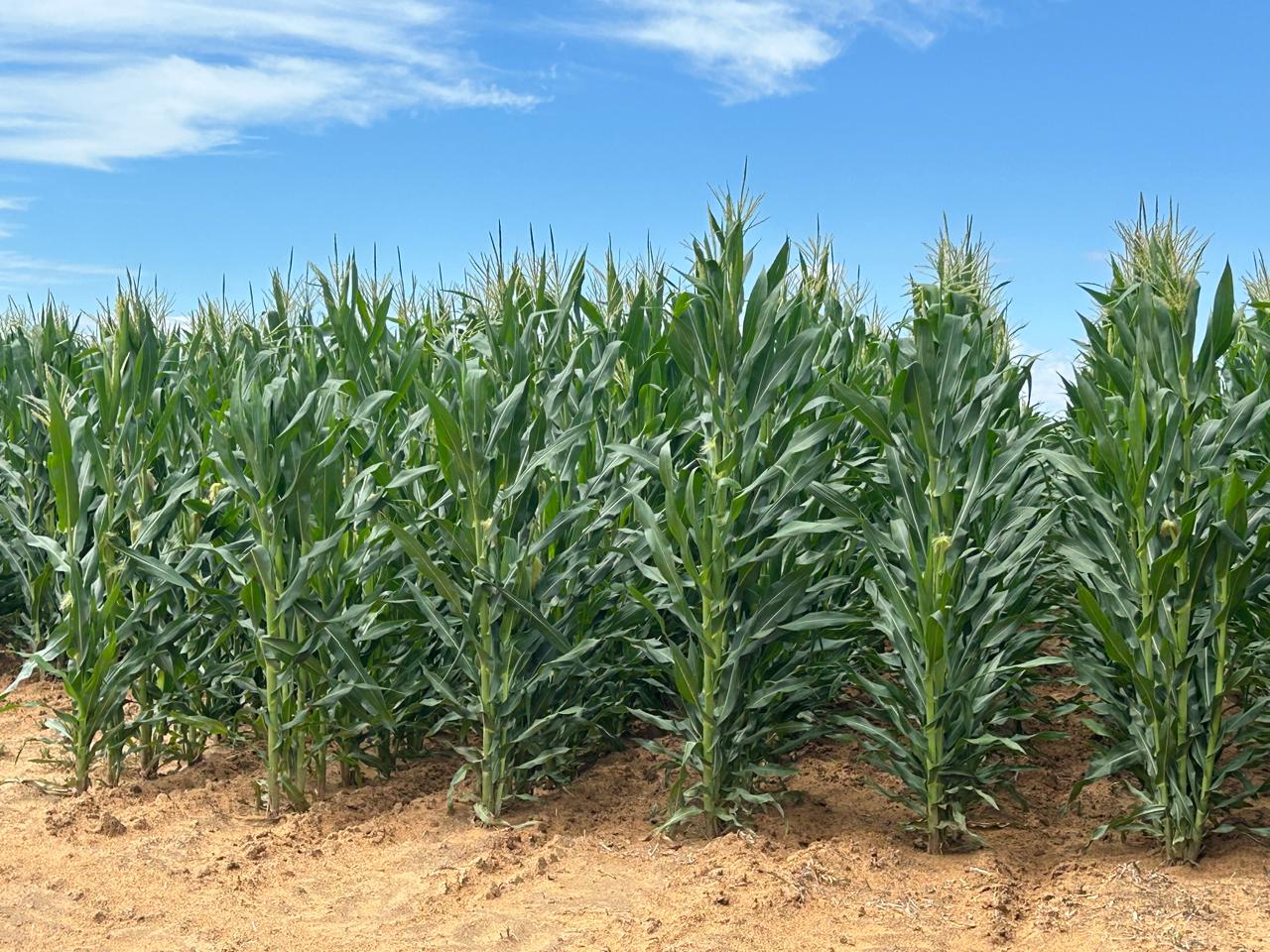
At Maritz Nel, maize remains a cornerstone of our production, and our strategies have evolved to maximise yield while preserving the land.
Farming in the Free State: A Region of Opportunity and Challenge
The Northern Free State is one of South Africa’s key agricultural zones. Its expansive plains and fertile soil provide a solid foundation for crops, but the climate adds a layer of complexity.
Challenges unique to the region include:
- Seasonal and unpredictable rainfall (400–600mm annually)
- High evaporation rates
- Soil degradation risks
- Weather extremes, including hail and drought
Success here doesn’t come from brute force — it comes from respecting the land and working with its natural cycles, not against them.
Our Approach: Principles That Guide Our Practice
At Maritz Nel, our approach to dryland farming is a blend of tradition, innovation, and strategic foresight. Over the years, we’ve developed and refined a framework that guides every season, every crop, and every decision.
1. Soil Preparation: Building Long-Term Fertility
We focus on conservation tillage and minimum disturbance to protect topsoil. Cover cropping and rotation also play a key role in preserving structure and moisture.
We apply organic matter, retain stubble, and allow natural microorganisms to thrive — which, in turn, supports healthier root systems and improved water retention.
👉 Related blog: Soil Health and Crop Success: Why Organic Practices Matter
2. Crop Selection: Choosing Resilient Varieties
We select drought-tolerant maize hybrids suited for local conditions, and stagger planting where necessary to reduce total risk. Over time, we’ve built strong relationships with seed suppliers who understand the dryland market.
👉 Learn more: How We Select Seed for Free State Dryland Farming
3. Timing is Everything
We track rainfall patterns, soil temperature, and forecasts closely. Planting too early or too late can cost a season’s output. We also prepare contingency plans if rain is delayed, including alternative cropping or temporary fallow fields.
4. Diversification and Livestock Integration
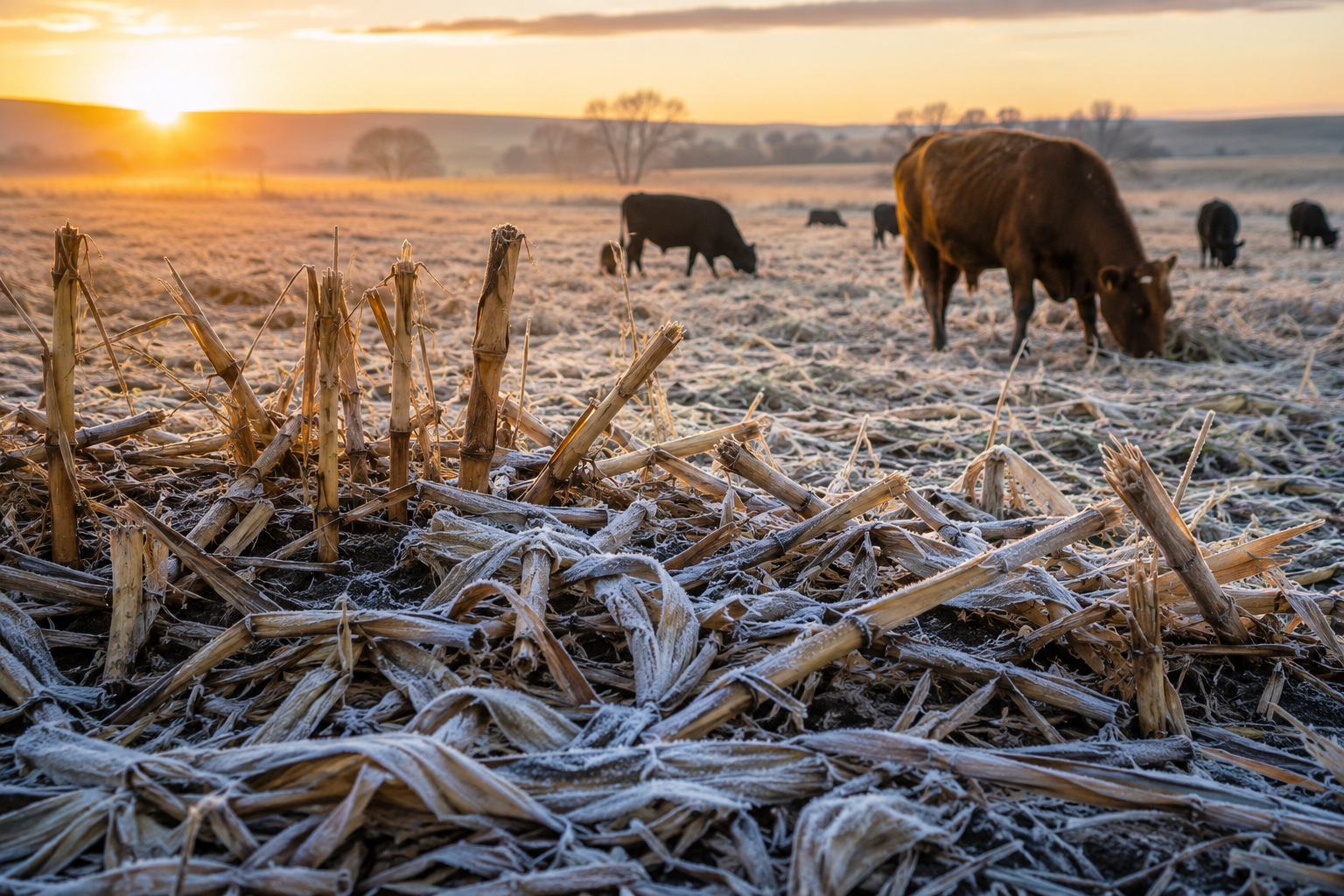
Livestock remains a vital part of our operation, providing:
- Manure to improve soil fertility
- A secondary income stream during poor crop years
- Natural weed management through controlled grazing
👉 See our post: The Role of Livestock in Sustainable Farming
Lessons from the Field
Every season teaches us something new — but some lessons have become core to our philosophy. Here are five that stand out:
1. Trust the Land, but Plan for the Worst
Nature can be generous, but she is never predictable. We always approach each season with cautious optimism and back-up strategies, including rainfall modelling, rotational grazing, and risk-hedging crops.
2. Soil Health Is Non-Negotiable
Shortcuts in soil management almost always result in long-term loss. We invest in multi-year soil health planning, including:
- Biological testing
- Carbon retention strategies
- No-till practices
3. Experience Matters More Than Data — But Combine Both
Nothing beats the eye of an experienced farmer. But we also use data analytics, satellite imagery, and weather tech to complement and enhance those instincts.
👉 Tool spotlight: How We Use Weather Data to Improve Crop Timing
4. Diversification Is Your Safety Net
We don’t rely on a single crop. Even within maize, we rotate hybrids and integrate sunflowers and sorghum depending on conditions. Livestock helps spread risk and add resilience.
5. Farming Is a Generational Endeavour
Some of the best decisions we’ve made were not the most profitable in a single season — but they paid off over decades. Our long-term view allows us to:
- Avoid over-exploiting land
- Rebuild during poor years
- Invest in community and soil
Looking Ahead: Innovation Meets Tradition
Dryland farming in the Free State is entering a new chapter. With climate uncertainty, rising input costs, and global food demand, the future will demand new thinking — but not at the expense of traditional wisdom.
At Maritz Nel, we believe the answer lies in balance:
- Precision farming tools to improve decision-making
- Water-smart agriculture to enhance resilience
- Community partnerships to support knowledge transfer
We also aim to continue sharing our insights with others, whether it’s through educational content, mentoring young farmers, or exploring pilot projects with agri-tech partners.
Conclusion: The Quiet Strength of Dryland Farming
In a world that often rewards speed and short-term gain, dryland farming teaches patience, foresight, and humility. It’s about working with the land, not forcing it. And it’s in this steady, deliberate approach that excellence is found.
At Maritz Nel, we’re proud to carry this tradition forward — not only as a legacy of the past, but as a living, evolving practice for the future.
👉 Want to learn more about our methods or connect with the team? Contact us here.
👉 Browse more insights from the field on our Maritz Nel Blog.