Published 4 June 2026
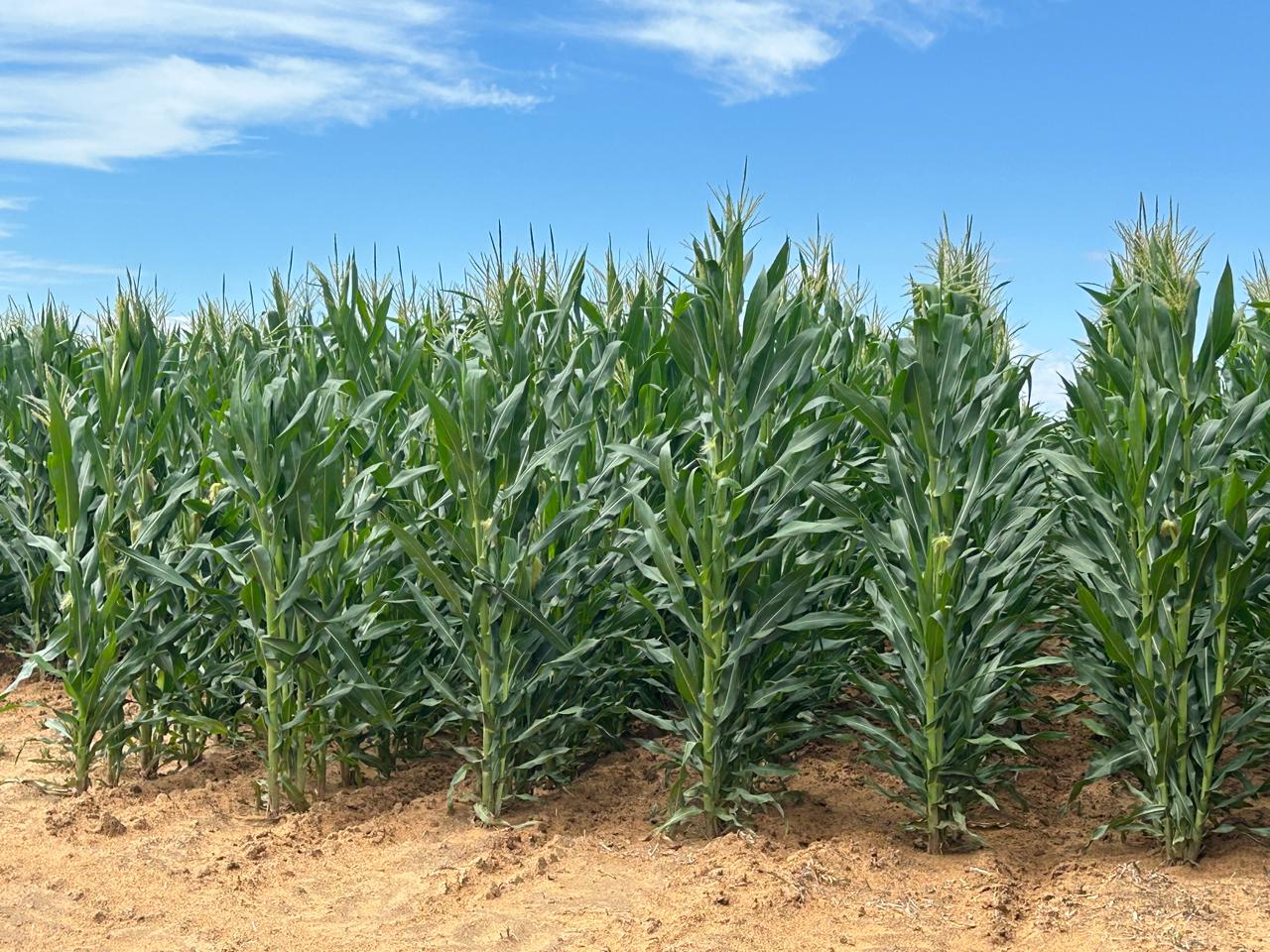
Maize is one of the most important crops grown in South Africa and across much of the world. As a staple food for millions of people, maize plays a critical role in ensuring that households have access to affordable and nutritious food. Beyond feeding people directly, maize also supports livestock farming, creates employment opportunities, and contributes to economic development.
Food security refers to having reliable access to sufficient, safe, and nutritious food at all times. When maize production is strong, communities benefit from a stable food supply and improved economic opportunities. Understanding the relationship between maize farming and food security highlights why this crop remains so important to South Africa’s agricultural sector.
What Is Food Security?
Food security exists when people have physical and economic access to enough food to meet their dietary needs and live healthy lives. A food-secure country must be able to produce, import, or distribute sufficient food to its population.
Several factors influence food security, including:
- Food availability
- Food affordability
- Food quality and nutrition
- Stable food supply chains
- Agricultural productivity
Maize contributes positively to each of these factors, making it one of the foundations of food security in South Africa.
1. Maize Provides a Reliable Source of Food
One of the most important ways maize supports food security is by providing a dependable source of food for millions of people.
Maize meal is a staple food in many South African households and forms the basis of numerous traditional dishes. Because maize can be produced on a large scale, it helps ensure that food remains available throughout the year.
When harvests are successful, markets remain supplied and consumers have greater access to affordable food products. This reduces the risk of food shortages and helps maintain food stability across the country.
Without strong maize production, many households would face higher food costs and reduced access to essential calories.
2. Maize Helps Keep Food Affordable
Food security is not only about having food available—it is also about being able to afford it.
Maize is generally one of the most cost-effective staple crops to produce and distribute. Large-scale production helps keep prices relatively stable compared to many other food sources.
Affordable maize products benefit families by:
- Reducing household food expenses
- Providing a low-cost source of energy
- Supporting vulnerable communities
- Improving access to basic nutrition
When maize production declines due to droughts, pests, or other challenges, food prices often increase. Strong harvests help keep staple foods within reach of more consumers.
3. Maize Supports Livestock and Protein Production
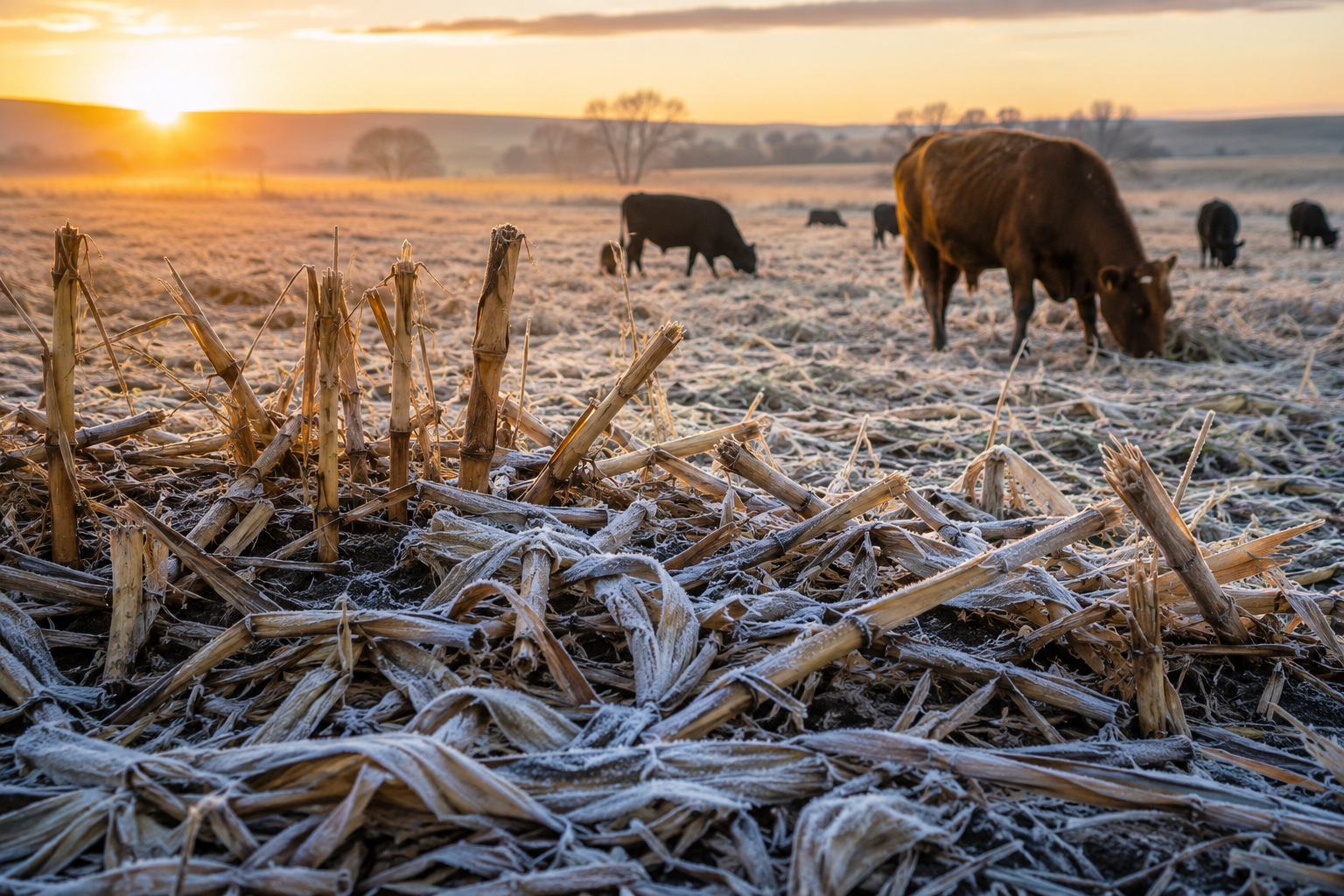
The importance of maize extends beyond direct human consumption. A significant portion of maize production is used as animal feed for poultry, cattle, pigs, and other livestock.
This makes maize an essential part of the broader food system.
By supporting livestock farming, maize contributes to the production of:
- Chicken
- Eggs
- Beef
- Pork
- Dairy products
A stable supply of animal feed helps farmers maintain productive livestock operations, which in turn supports the availability of protein-rich foods for consumers.
As a result, maize contributes not only to food quantity but also to dietary diversity and nutrition.
4. Maize Farming Creates Jobs and Income
Food security and economic security are closely connected. Households with stable incomes are generally better able to purchase nutritious food and support their families.
The maize industry creates employment opportunities throughout the agricultural value chain, including:
- Farming operations
- Equipment and machinery services
- Transport and logistics
- Grain storage facilities
- Food processing industries
- Retail distribution
Thousands of South Africans depend directly or indirectly on maize-related activities for their livelihoods.
Income generated through maize production strengthens local economies and helps families access the resources they need to maintain food security.
5. Maize Contributes to Economic Growth
Agriculture remains an important contributor to South Africa’s economy, and maize is one of the country’s most valuable field crops.
Successful maize production supports economic growth by:
- Generating income for farmers
- Supporting agribusinesses
- Creating employment opportunities
- Encouraging rural development
- Contributing to export earnings during surplus years
A strong agricultural sector helps build resilience against economic challenges while ensuring that food remains available and accessible.
Because maize influences both the food system and the economy, it serves as a vital link between agricultural success and national development.
Challenges Facing Maize Production
While maize plays a crucial role in food security, farmers face several challenges that can affect production levels.
Some of the most common challenges include:
Climate Variability
Droughts, heat waves, and unpredictable rainfall patterns can reduce crop yields and threaten food supplies.
Rising Input Costs
Fertiliser, fuel, seed, and equipment costs continue to place pressure on farming operations.
Pests and Diseases
Crop pests and diseases can significantly reduce harvests if not properly managed.
Market Volatility
Price fluctuations can impact farm profitability and influence future planting decisions.
Addressing these challenges is essential for maintaining stable maize production and protecting food security in the years ahead.
The Future of Maize and Food Security
As South Africa’s population grows, the demand for affordable food will continue to increase. Improving agricultural productivity, investing in farming technology, and adopting sustainable farming practices will be important steps in ensuring long-term food security.
Maize will likely remain one of the country’s most important crops because of its versatility, affordability, and contribution to both nutrition and economic development.
Farmers, researchers, policymakers, and agricultural businesses all have a role to play in supporting a resilient maize industry capable of meeting future food demands.
Conclusion
Maize production plays a vital role in supporting food security in South Africa. It provides a reliable source of food, helps keep staple foods affordable, supports livestock production, creates jobs, and contributes to economic growth.
Because maize touches so many aspects of daily life, its importance extends far beyond the farm gate. Continued investment in sustainable maize production will be essential for ensuring that future generations have access to affordable, nutritious food while supporting the country’s economic development.