Published 26 November 2025
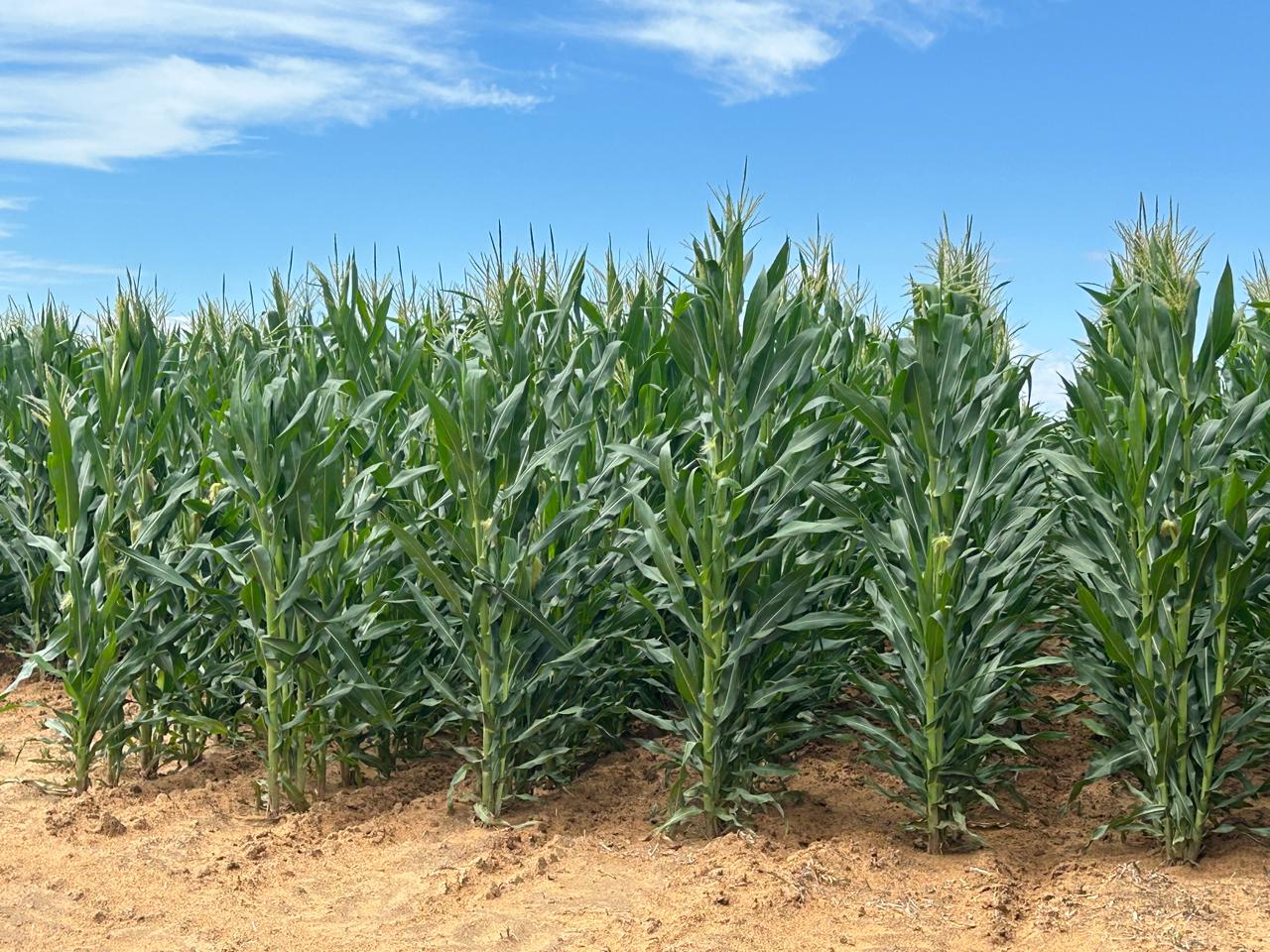
Maize — or “mielie” as many South Africans call it — isn’t just a crop in South Africa. It’s woven into the very fabric of the nation’s food system, economy, and rural life. From the plates of families to the barns of commercial farmers, maize plays a central role. Here’s why it matters so much — and how its importance is evolving.
1. Maize Is the Staple Food for Millions
One of the biggest reasons maize is critical in South Africa is that it’s a dietary cornerstone. White maize, in particular, is ground into maize meal (mielie meal), which is then turned into pap — a beloved staple enjoyed by many across socio-economic groups.
Grain SA research notes that maize contributes 50–60% of the average South African’s carbohydrate intake, making it essential for food security.
2. Economic Powerhouse: Production & Market Size
Production Scale
- South Africa produces 15 to 17 million tonnes of maize annually, depending on the season.
- Key production provinces are the Free State, Mpumalanga, and North West, which together account for roughly 80% of total maize production.
- In a recent strong season (2025), the harvest surged to 15.8 million tonnes, marking a 23% recovery from a drought-stricken year.
Farm Yield & Efficiency
- Through innovation — like GM seeds, hybrid varieties, mechanization, and precision farming — yields have increased. In some cases, average yields now reach 5–6 tonnes per hectare, a dramatic jump from the 0.6 t/ha seen decades ago.
- The Crop Estimates Committee has reported national average yields of around 6.34 t/ha in recent seasons.
Market Value
- The maize market in South Africa is big. According to one report, it was worth about USD 2.93 billion in 2024 and is projected to grow to around USD 3.88 billion by 2030.
- Maize is fully deregulated: farmers can sell to anyone, with prices largely determined by supply, demand, and global market factors.

3. Feed Grain for the Livestock Sector
Maize isn’t only a human food — it’s hugely important for livestock too. Yellow maize is especially valuable as animal feed.
- Poultry (chickens), cattle, and egg producers heavily rely on maize-based feeds.
- Because of this, maize production doesn’t just support food security; it undergirds South Africa’s broader agricultural economy and protein supply chain.
- Over the years, demand from the broiler (chicken) industry has grown, which in turn pushes demand for yellow maize.
4. Export Potential & Regional Influence
- While much maize is used domestically, South Africa also exports maize. In surplus years, these exports bring in valuable foreign currency.
- However, export dynamics can shift — for example, when neighboring countries boost their own production. Recent reports suggest that demand from regions like Zimbabwe and Zambia may soften due to improved harvests there.
- The open-market structure (deregulated since 1997) means South African maize producers are sensitive to international price trends, exchange rates, and regional trade policies.
5. Innovation: Making Maize Smarter and Stronger
A huge part of maize’s success in South Africa comes from innovation:
- Genetic improvements: The introduction of hybrids and GM maize has significantly boosted productivity and resilience.
- Mechanization: Use of modern farming equipment, precision agriculture (e.g., GPS-guided tractors), and efficient input use (fertilizers, pesticides) have transformed how maize is farmed.
- These innovations have helped maize yields soar from a few tonnes per hectare in the past to the more recent 5–6 t/ha.
6. Risks, Challenges, and Resilience
Maize farming isn’t without its challenges. Here are a few key ones, and how the sector is responding:
- Weather volatility: Droughts and erratic rainfall can drastically impact yields. For example, production dropped to 12.85 million tonnes in 2023/24 due to dryness.
- Price fluctuations: Because the market is deregulated, local maize prices are sensitive to global supply, international maize prices, and exchange rate shifts.
- Sustainability pressures: As climate risk grows, farmers need to balance high yield with practices that preserve soil health and water. Innovation (genetics, precision farming) helps, but long-term sustainability remains a core issue.
- Small-scale vs commercial: A meaningful portion of maize is grown by smallholder or non-commercial farmers (~347,000 ha in 2023/24), but they contribute a smaller share of total national production.
7. Social & Economic Impact
- Maize is a major employer in the agricultural sector, especially in rural regions.
- Because it’s such a staple, maize has deep socio-cultural significance: traditional dishes, family meals, and rural livelihoods depend on it.
- For poorer households, white maize meal is often a relatively low-cost source of carbohydrates, which makes it central in food security conversations.
- On a macro scale, maize exports help South Africa earn foreign exchange, contributing to the national economy.
8. The Future of Maize in South Africa
Looking ahead, here are some trends and possibilities for maize in South Africa:
- Sustained growth of the maize market: With a projected market CAGR of about 4.79% through 2030, maize remains a highly relevant crop economically.
- Greater focus on climate resilience: Innovations in drought-tolerant maize, water-smart practices, and soil health will be more important than ever.
- Export diversification: As regional demand fluctuates, South Africa may increasingly target non-African markets and adapt trade strategies accordingly.
- Balancing scale: Bridging the gap between small-scale and commercial farmers (in terms of productivity, market access) could strengthen national food security and economic inclusivity.
- Sustainable intensification: Combining high-yield technologies with regenerative practices (crop rotation, minimal tillage) has the potential to make maize farming both profitable and sustainable.
Conclusion
Maize is not just another crop in South Africa — it’s foundational. It feeds families, fuels the livestock industry, supports rural economies, and helps the country trade in global grain markets. Advances in seed genetics and farming technology have lifted yields dramatically, but the sector still faces headwinds like climate risk, price swings, and inequality between large and small farmers.
By continuing to innovate, invest in sustainability, and navigate trade opportunities wisely, maize can remain a central pillar of South African agriculture for decades to come.