Published 20 July 2026
Although winter may seem like a quieter time on the farm, it’s one of the most important periods for preparing for a successful maize season. The work done now can have a direct impact on planting efficiency, crop establishment, and ultimately your harvest.
Rather than waiting until the first spring rains arrive, experienced farmers use the winter months to assess their fields, maintain equipment, and make informed decisions that support long-term productivity. Careful planning now helps avoid unnecessary delays and costly problems when the planting season begins.
Start with a Thorough Field Assessment
Every season leaves behind valuable information. Before making plans for the next crop, take time to walk your fields and evaluate how they performed.
Look for signs of:
- Soil erosion
- Areas with poor drainage
- Compacted soil
- Weed pressure
- Uneven crop performance from the previous season
Identifying these issues early gives you time to plan corrective measures before planting begins. Even small improvements can make a significant difference over time.
Manage Crop Residue Wisely
After harvest, maize residue continues to play an important role in the health of your soil.
Leaving an appropriate amount of residue on the land helps to:
- Reduce soil erosion
- Protect the soil from wind and heavy rain
- Improve moisture retention
- Build organic matter over time
- Support healthier soil biology
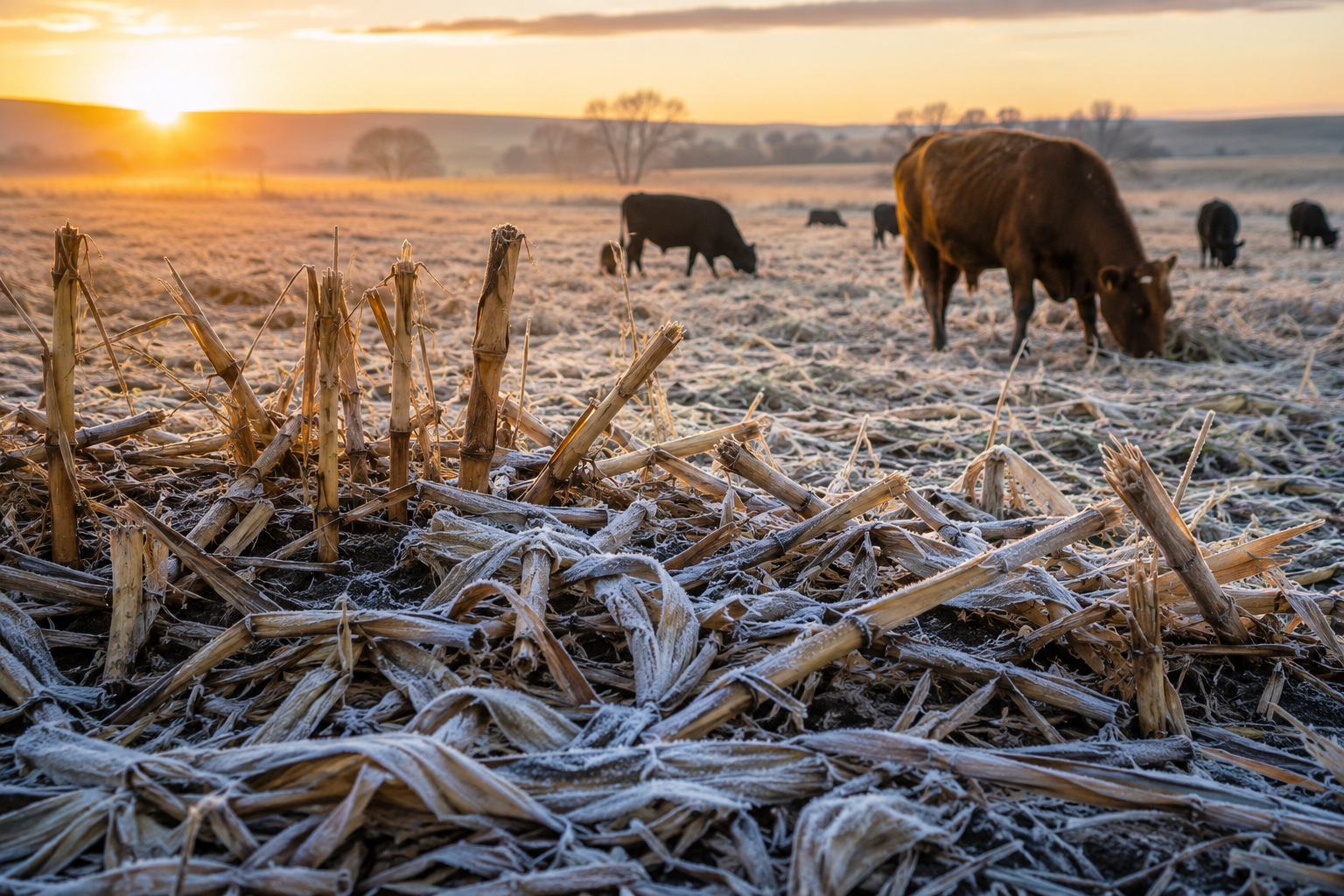
Where livestock are grazing maize residue during winter, careful management is important. Avoid overgrazing, as maintaining adequate ground cover will benefit the next planting season.
Finding the right balance between livestock feed and soil protection is an important part of sustainable farming.
Winter Is an Ideal Time for Soil Testing
One of the most valuable investments a farmer can make is understanding the condition of their soil.
Collecting soil samples during winter allows sufficient time to:
- Review nutrient levels
- Check soil pH
- Plan lime applications if required
- Develop a fertiliser strategy
- Budget more accurately before planting
Rather than applying fertiliser based on assumptions, soil analysis provides reliable information that supports better decision-making and can improve input efficiency.
Control Weeds Before They Become a Problem
Many weeds continue growing during the cooler months, especially in favourable conditions.
Addressing weed growth before spring helps:
- Reduce competition for nutrients
- Lower weed pressure during planting
- Improve herbicide effectiveness
- Prevent weeds from producing seed
Keeping fields clean during winter often makes spring field preparation much easier.
Inspect and Maintain Equipment
The weeks before planting are often the busiest time of the year, making unexpected machinery breakdowns both frustrating and costly.
Winter provides an excellent opportunity to inspect:
- Tractors
- Planters
- Fertiliser spreaders
- Sprayers
- Irrigation equipment where applicable
Replacing worn parts, servicing machinery, and checking calibration now can prevent unnecessary delays once planting begins.
Repair Infrastructure Around the Farm
Preparation extends beyond the fields themselves.
Winter is a good time to inspect:
- Boundary fences
- Internal camp fencing
- Water points
- Gates
- Farm roads
- Drainage channels
Completing maintenance before the busy planting season allows operations to run more smoothly when workloads increase.
Review Your Crop Rotation Plan
Successful farming relies on long-term planning rather than reacting at the last minute.
Reviewing your crop rotation strategy allows you to consider:
- Soil fertility requirements
- Pest and disease management
- Weed control
- Previous crop performance
- Market conditions
A well-planned rotation contributes to healthier soils and more resilient cropping systems.
Plan Your Inputs Early
Ordering seed, fertiliser and other essential inputs well before planting offers several advantages.
Early planning can:
- Improve product availability
- Allow time to compare suppliers
- Reduce last-minute pressure
- Support more accurate budgeting
Being prepared also means you are ready to plant when conditions are favourable, rather than waiting for deliveries.
Small Preparations Lead to Better Seasons
Every successful harvest begins long before the planter enters the field.
Winter provides valuable time to evaluate the previous season, improve field conditions, maintain equipment and prepare for the opportunities ahead. While weather will always remain one of farming’s greatest uncertainties, careful preparation allows farmers to make the most of favourable conditions when they arrive.
By investing time in planning today, farmers place themselves in a stronger position for a productive and successful maize season.