Published 21 August 2026
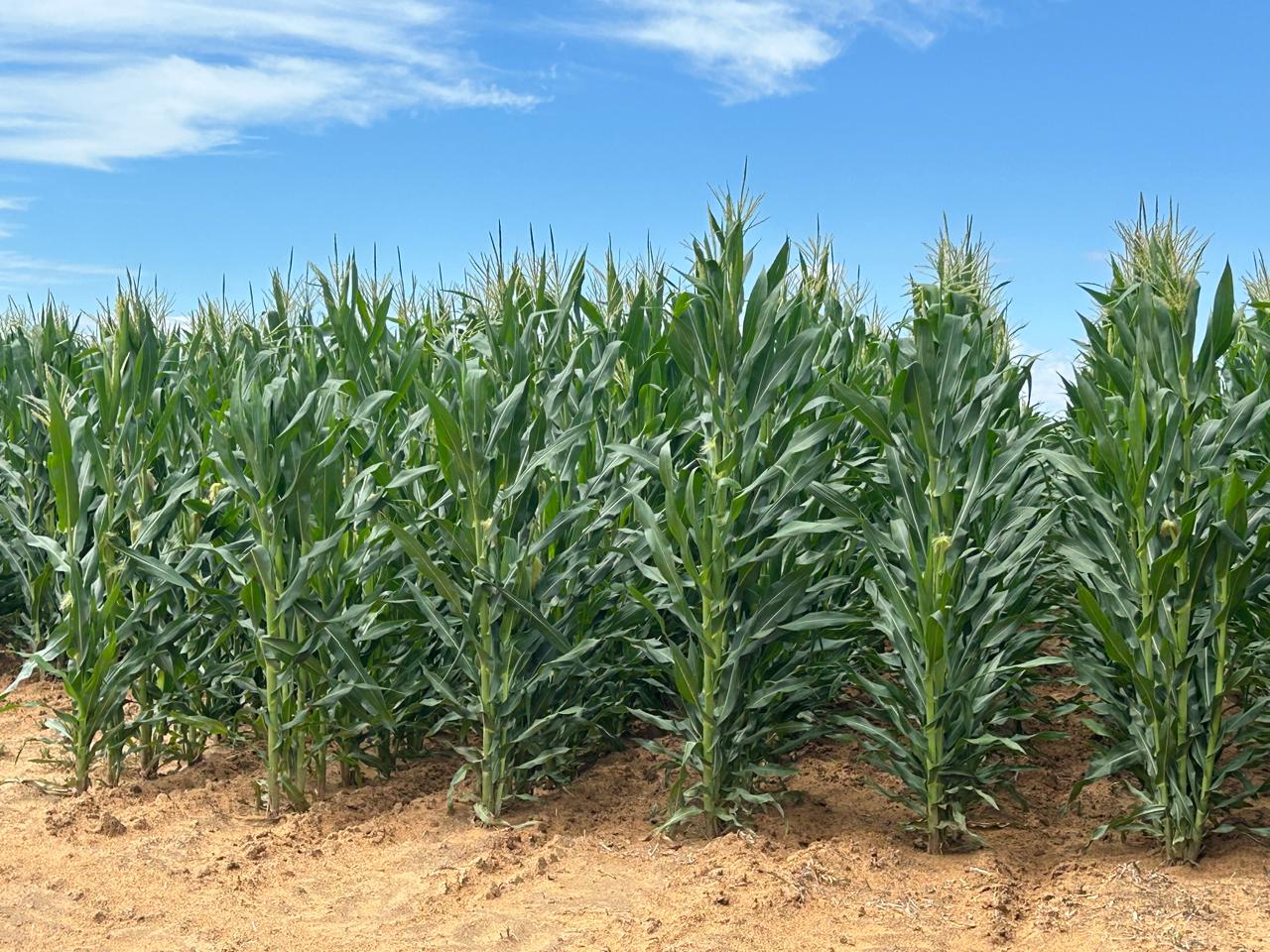
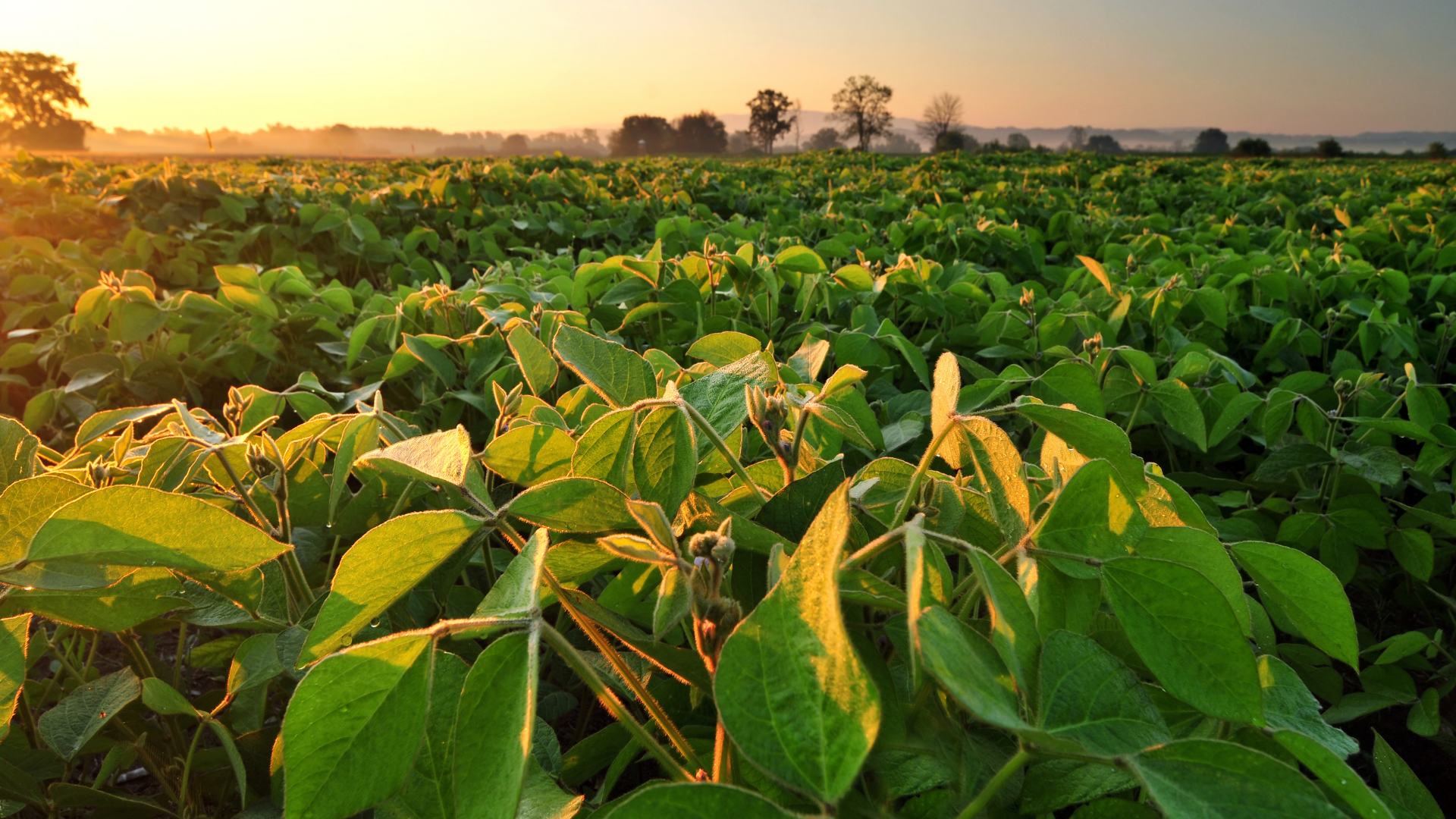
Late winter may feel like a quieter period on the farm, but for summer crop producers in the Free State, August and September are important preparation months. The next maize and soybean planting season is approaching, and many of the decisions that influence the season are made well before the first seed enters the ground.
From soil moisture and field preparation to machinery, inputs and planting decisions, this is the time to get the fundamentals right.
A new season starts before planting
In the Free State, planting dates vary considerably according to location, soil conditions and rainfall. In the eastern parts of the province, maize and soybean planting generally begins during October and continues through November, while producers farther west often plant later.
That means August is not planting month — but it is very much preparation month.
Farmers now have an opportunity to assess fields, review the previous season and identify problems that should be addressed before operations become more time-sensitive.
Small issues are easier to deal with now than when planting conditions suddenly become favourable and every available hour matters.
Protecting the moisture already in the soil
For dryland farmers, soil moisture remains one of the most valuable resources going into the summer season.
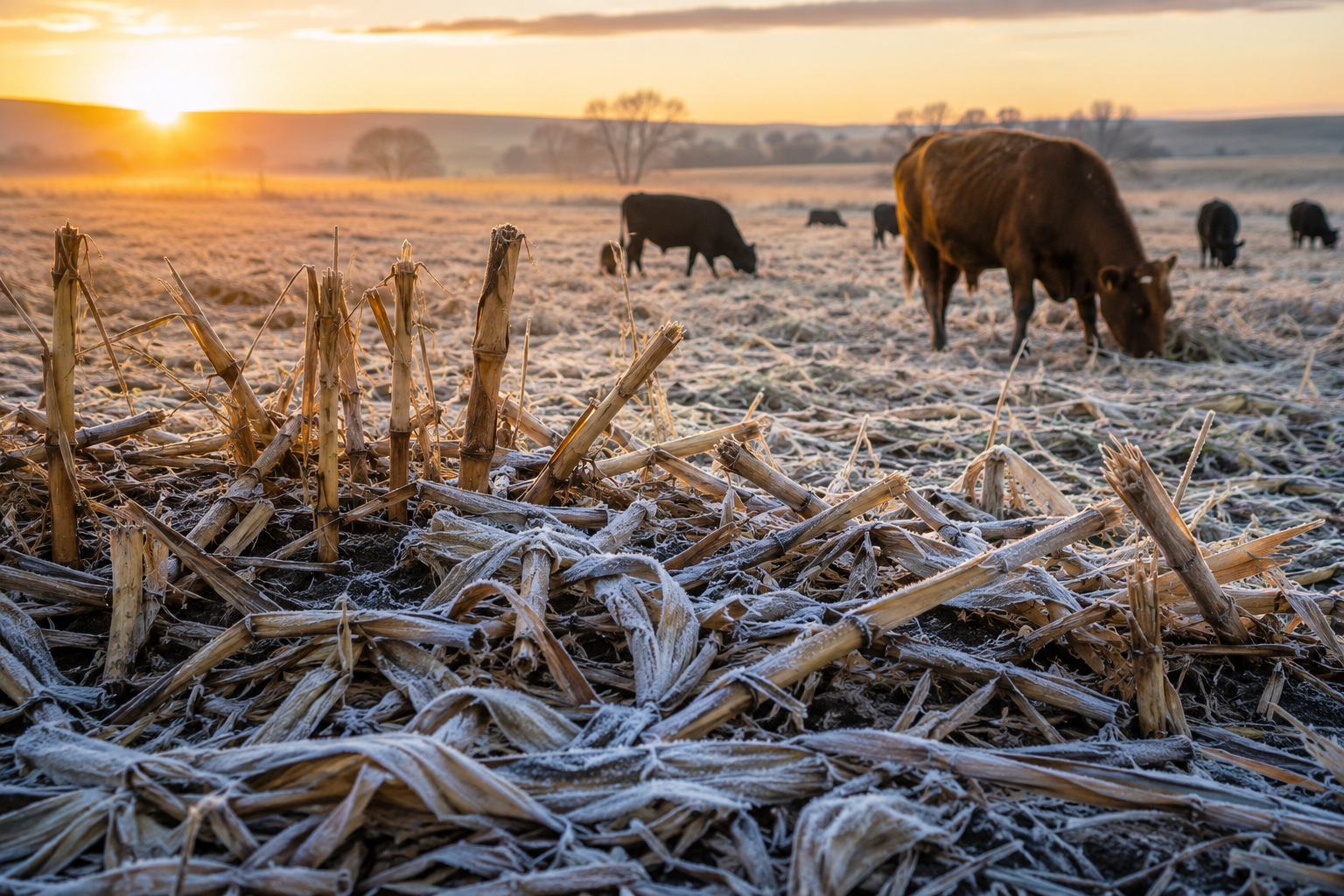
Winter residue can play an important role by protecting the soil surface, reducing evaporation and helping limit erosion. Where cattle have grazed maize residue during winter, grazing pressure also needs to be balanced against the need to leave sufficient cover on the land.
The objective is not simply to have a clean field. It is to enter the planting season with the soil in the best possible condition to capture and retain rainfall.
This becomes particularly important when rainfall is uncertain. The South African Weather Service has indicated that El Niño conditions may develop ahead of the 2026/27 summer season. While seasonal forecasts can change and cannot predict rainfall on an individual farm, they are another reminder of the importance of conserving moisture and preparing for variability.
Review what the previous season taught you
Every season leaves useful information behind.
Late winter is a good opportunity to look at yield performance and ask why certain fields or sections performed differently.
Areas that consistently underperform may have issues related to compaction, drainage, soil fertility, weed pressure or soil depth. Other areas may simply respond differently because of their position in the landscape.
Instead of treating every hectare exactly the same, understanding these differences allows future decisions to be made more deliberately.
It is also useful to review the performance of maize and soybeans within the rotation. Crop rotation is not only about choosing what to plant next. It can help manage disease and pest pressure, spread production risk and maintain healthier cropping systems over time.
Soil testing turns assumptions into information
Fertiliser is one of the largest input costs in grain production, which makes guessing increasingly expensive.
Where soil testing forms part of the production programme, completing or reviewing tests before planting allows fertiliser and lime decisions to be based on actual field conditions.
Soil pH, nutrient availability and previous crop removal all influence what the next crop may require.
The purpose is not necessarily to apply more fertiliser. It is to apply inputs more accurately and where they can provide the greatest benefit.
Machinery needs to be ready before the rain
The best time to discover a worn bearing, damaged planter component or hydraulic leak is not when planting is supposed to begin.
Before the season starts, tractors, planters, tillage equipment and supporting machinery can be inspected while there is still time to obtain parts and make repairs.
Planter accuracy deserves particular attention. Seed depth, spacing and population all affect crop establishment, and relatively small mechanical problems can become visible across an entire field.
Calibration should therefore form part of pre-season preparation rather than being left until the first day of planting.
Weed control cannot wait until planting
Early weed control is another important part of conserving resources.
Weeds emerging before planting compete for available soil moisture and nutrients. Allowing them to become established can also make them more difficult and expensive to control later.
Monitoring fields during the transition into spring gives producers time to identify problem areas and plan control measures before planting operations begin.
This is especially important where particular weed species have become persistent over several seasons.
Planning for uncertainty
No farmer can control rainfall, temperature or commodity markets.
What can be controlled is preparation.
Seed choices, input requirements, machinery readiness, field priorities and planting plans can all be considered before the pressure of the season arrives. Contingency planning is equally important: what changes if the first meaningful rain arrives later than expected? Which fields should be planted first? Where is available soil moisture strongest?
The answers will differ from one farming operation to another.
The important part is asking the questions before they become urgent.
Building the next crop starts now
A successful summer crop season does not begin with the planter.
It begins during the months beforehand, when fields are assessed, machinery is prepared, soil moisture is protected and decisions are made with the information available.
Late winter therefore offers something valuable: time.
Using that time well gives Free State farmers the strongest possible starting point when the first planting opportunity of the 2026/27 season arrives.