Published 28 January 2026
Dryland farming remains one of the most important — and most challenging — agricultural systems in South Africa. With increasing climate variability, rising input costs, and pressure on natural resources, farmers operating without irrigation must rely on strategy, resilience, and sound decision‑making to remain profitable over the long term.
This cornerstone guide provides a comprehensive, practical overview of dryland farming in South Africa, with a particular focus on semi‑arid regions such as the Free State. It is designed as a foundational reference that can be expanded through supporting articles, case studies, and technical deep dives.
What Is Dryland Farming?
Dryland farming refers to agricultural production systems that rely primarily on natural rainfall rather than irrigation. Success depends on effective rainfall capture, soil moisture conservation, appropriate crop and livestock selection, and risk‑aware management.
In South Africa, dryland farming is not a niche practice — it is the backbone of grain and livestock production across vast areas of the country.
Key characteristics of dryland farming include:
- High dependence on seasonal and annual rainfall patterns
- Increased exposure to drought and climate extremes
- Greater emphasis on soil health and moisture retention
- Strong integration between cropping and livestock systems
Dryland Farming Regions in South Africa
Dryland agriculture is practiced across multiple provinces, each with distinct climatic and soil conditions:
- Free State: Maize, soya, wheat, sunflowers, and cattle dominate under summer rainfall conditions
- North West: Mixed grain and livestock systems with lower average rainfall
- Mpumalanga Highveld: Higher rainfall dryland cropping with variable frost risk
- Eastern Cape: Extensive livestock‑based dryland systems
- Northern Cape (non‑irrigated areas): Highly variable rainfall, veld‑based livestock farming
Understanding local rainfall distribution, frost dates, and soil profiles is essential before making production decisions.
Rainfall: The Single Most Critical Input
In dryland systems, rainfall is the primary limiting factor. Total annual rainfall matters, but distribution and timing are often more important than volume alone.
Key rainfall considerations:
- Seasonal onset and cessation
- Rainfall intensity and runoff risk
- In‑season dry spells
- Long‑term rainfall trends
Farmers who actively track rainfall data — both historical and real‑time — are better positioned to adjust planting dates, stocking rates, and input levels.
Soil Health as the Foundation of Dryland Success
Healthy soil is the most powerful risk‑management tool available to dryland farmers.
Core soil health principles:
- Organic matter accumulation to improve water‑holding capacity
- Minimal disturbance to reduce moisture loss
- Good soil structure for root penetration and infiltration
- Balanced nutrition based on regular soil testing
Even small improvements in soil organic matter can significantly increase available water per hectare, improving crop stability during dry periods.
Crop Selection for Dryland Conditions
Choosing the right crops and cultivars is critical.
Common dryland crops in South Africa:
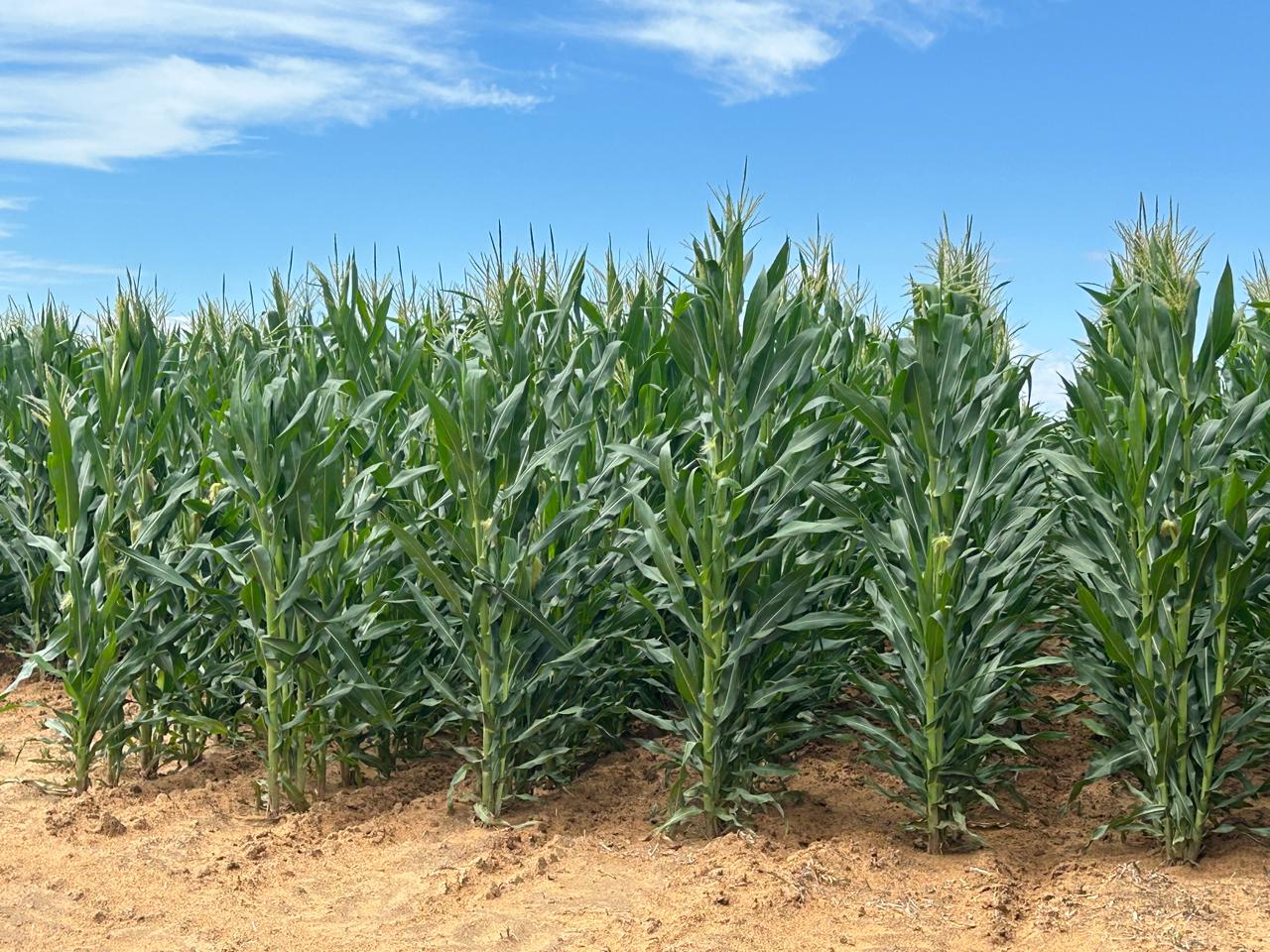
- Maize
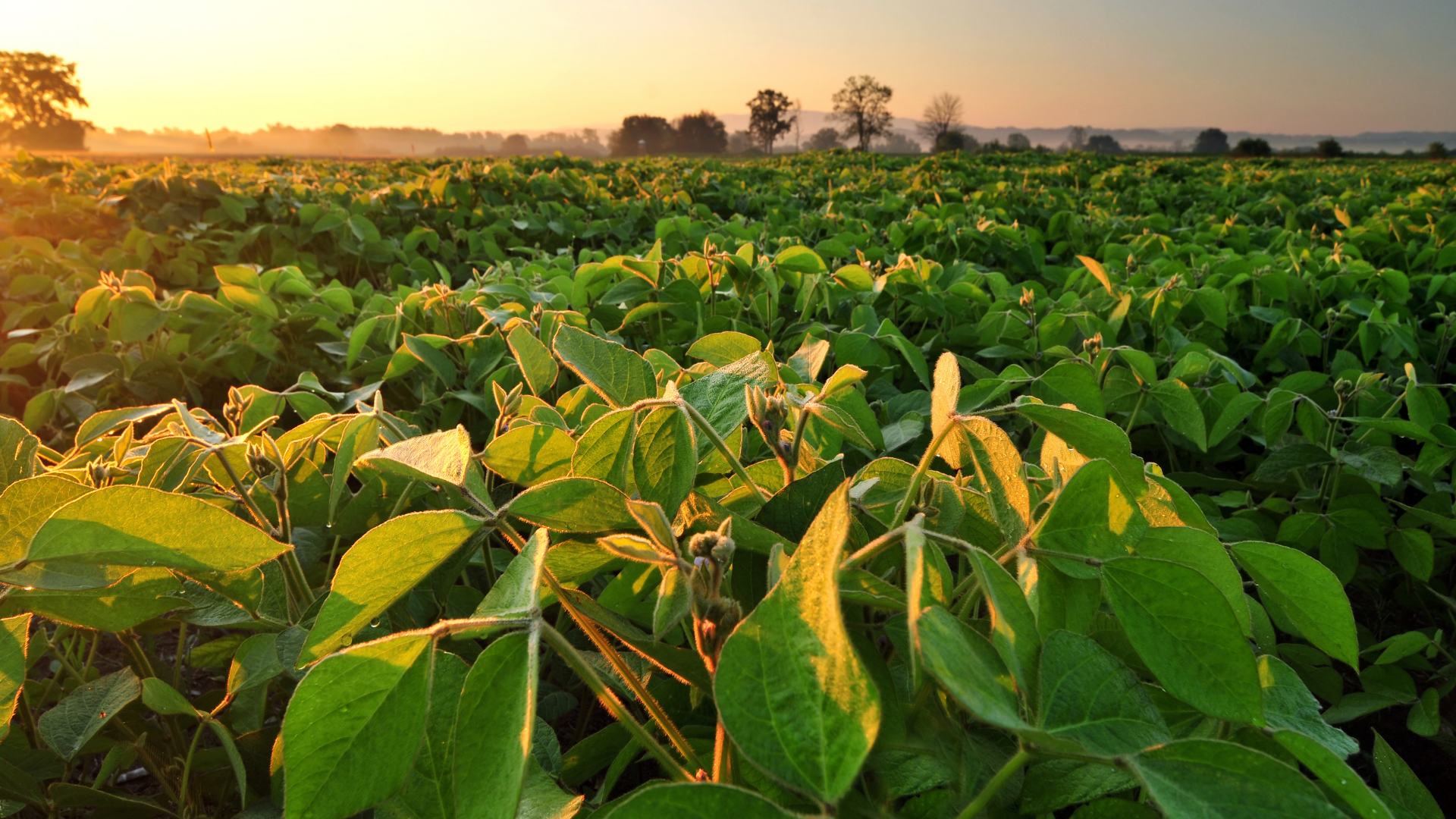
- Soya beans
- Sunflowers
- Wheat (winter rainfall areas)
- Sorghum
Key selection criteria include:
- Drought tolerance
- Growth period length
- Heat and frost resistance
- Yield stability rather than peak yield
Shorter‑season cultivars often outperform longer‑season options under variable rainfall conditions.
Planting Strategies and Timing
Planting decisions should balance soil moisture availability, forecasted rainfall, and long‑term climate data.
Best practices include:
- Planting only once sufficient soil moisture is present
- Avoiding early planting into cold soils
- Staggered planting to spread risk
- Adjusting plant populations based on expected rainfall
Over‑planting during dry years is a common cause of yield failure.
Integrated Crop and Livestock Systems
Integration between crops and livestock enhances resilience and profitability.
Benefits include:
- Improved nutrient cycling through manure
- Reduced feed costs using crop residues
- Enhanced soil structure through managed grazing
- Diversified income streams
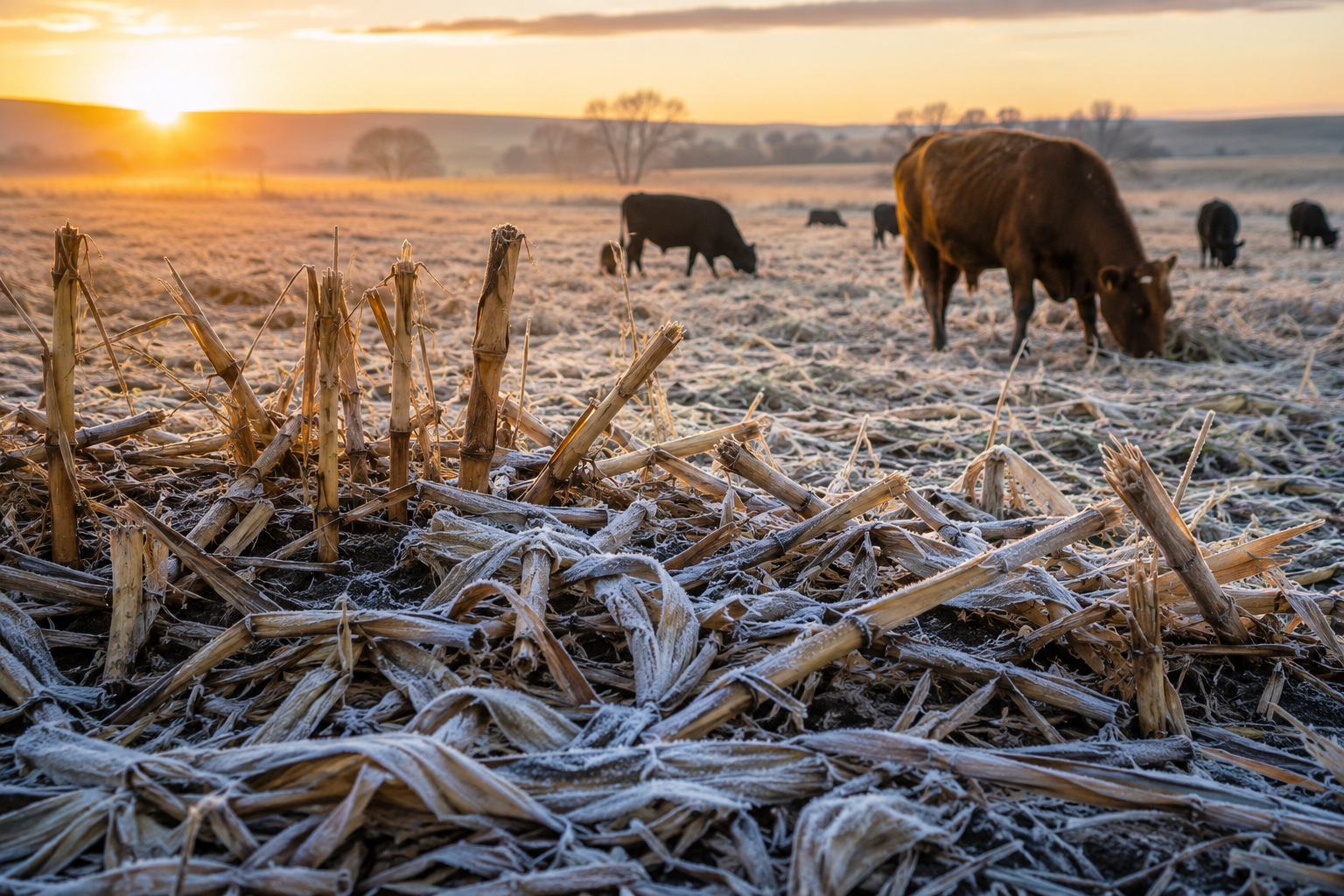
Well‑managed grazing on crop residues can significantly improve whole‑farm performance without compromising soil cover.
Grazing Management in Dryland Systems
Livestock play a vital role in dryland agriculture, particularly in drought mitigation.
Effective strategies include:
- Adaptive stocking rates
- Rotational or planned grazing systems
- Maintaining adequate resting periods for veld recovery
- Protecting basal cover to reduce erosion
Overgrazing remains one of the fastest ways to undermine long‑term productivity.
Weed, Pest, and Disease Pressure
Dryland systems require proactive monitoring rather than reactive treatment.
Key principles:
- Early weed control to reduce moisture competition
- Integrated pest management (IPM)
- Resistant cultivar selection
- Crop rotation to break disease cycles
Preventative management is almost always more cost‑effective than emergency intervention.
Managing Drought Risk
Drought is not an exception — it is a normal feature of dryland farming.
Practical drought strategies:
- Conservative stocking rates
- Carry‑over feed planning
- Flexible planting decisions
- Financial buffers and insurance
Successful dryland farmers plan for drought during good years, not during the crisis itself.
Economics of Dryland Farming
Profitability in dryland systems depends on cost discipline and yield stability, not maximum production.
Key economic principles:
- Align input costs with realistic yield expectations
- Avoid high‑risk debt exposure
- Diversify enterprises
- Track cost per hectare and margin per enterprise
Low‑cost, resilient systems often outperform high‑input models over full climate cycles.
Technology and Data in Dryland Agriculture
Modern tools allow better decision‑making even in low‑rainfall systems.
Useful technologies include:
- Rain gauges and weather stations
- Soil moisture probes
- Satellite imagery
- Farm management software
Data should support decisions — not complicate them.
Sustainability and Long‑Term Resilience
Dryland farming sustainability is built on protecting natural capital:
- Soil
- Water
- Biodiversity
- Community relationships
Practices that improve resilience also tend to improve long‑term land value.
The Maritz Nel Perspective on Dryland Farming
At Maritz Nel, dryland farming is viewed as a long‑term partnership with the land. Decisions are guided by data, experience, and respect for natural limits.
The focus is not on chasing peak yields, but on building systems that endure droughts, market cycles, and generational transitions.
Conclusion
Dryland farming in South Africa demands discipline, adaptability, and deep local knowledge. While risks are unavoidable, they can be managed through sound soil stewardship, integrated systems, conservative planning, and continuous learning.
This guide serves as a foundational resource — with each section offering opportunities for deeper exploration through supporting articles, research, and case studies.
When managed correctly, dryland farming is not merely viable — it is resilient, profitable, and sustainable over the long term.