Published 19 December 2024
In an era of increasing global food demand, intensive farming has become an essential approach to ensuring food security and economic sustainability. Maritz Nel Family Trust is committed to optimizing land, labour, and resources to achieve the highest possible yield in maize, soya, and livestock cattle farming. Through modern farming techniques, cutting-edge technology, and sustainable practices, productivity is continuously enhanced while maintaining high standards of quality.
What is Intensive Farming?
Intensive farming, also known as high-input farming, is a specialized agricultural approach designed to maximize yield per hectare. This method involves the strategic use of:
- Advanced machinery for efficient planting, harvesting, and irrigation
- Precision agriculture to optimize soil health and nutrient management
- Fertilizers and pesticides to enhance crop growth and protect yields
- Selective breeding and feed optimization for superior livestock production
At Maritz Nel Family Trust, scientific and data-driven methods ensure sustainable, high-yield farming in maize, soya, and livestock cattle production.
Key Crops in Intensive Farming: Maize & Soya
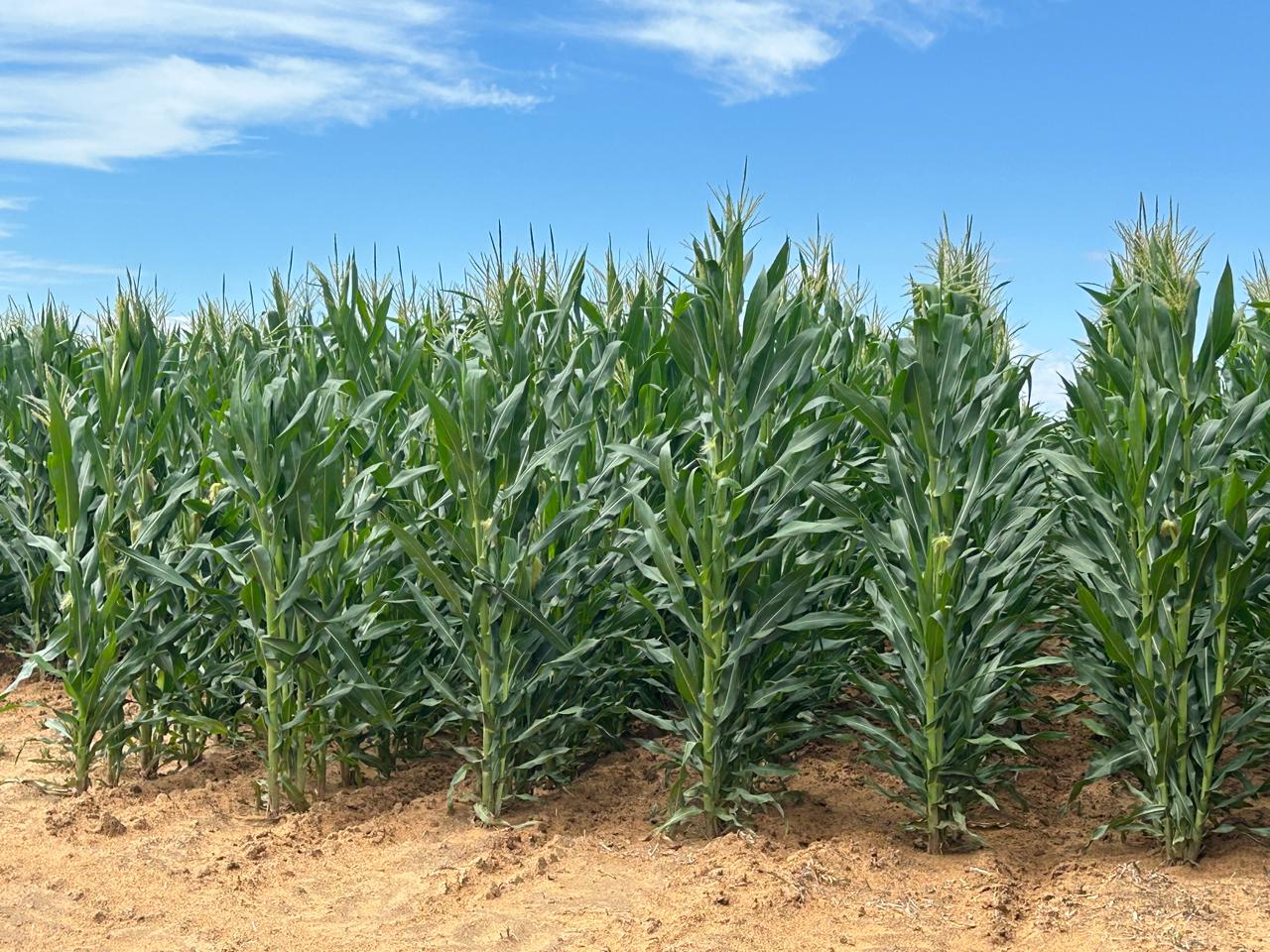
🌽 Maize Farming: A Staple for Food and Feed
Maize is one of South Africa’s most important crops, both as a staple food and as a key component in livestock feed. South Africa produces approximately 16 million tons of maize annually, with the Free State, North West, and Mpumalanga being the top maize-producing regions.
Intensive maize farming at Maritz Nel Family Trust involves:
- Precision planting with GPS-guided seed placement for uniform growth
- Fertilization strategies that provide essential nutrients at optimal times
- Efficient irrigation using smart water management techniques
- Pest and disease control to protect crops from infestations
📌 Example: South Africa’s maize farming success is largely due to advancements in hybrid seed technology and mechanization, enabling farmers to achieve higher yields even in semi-arid conditions. Companies like Pioneer Seeds and Pannar have developed drought-resistant maize varieties suited for local climates.
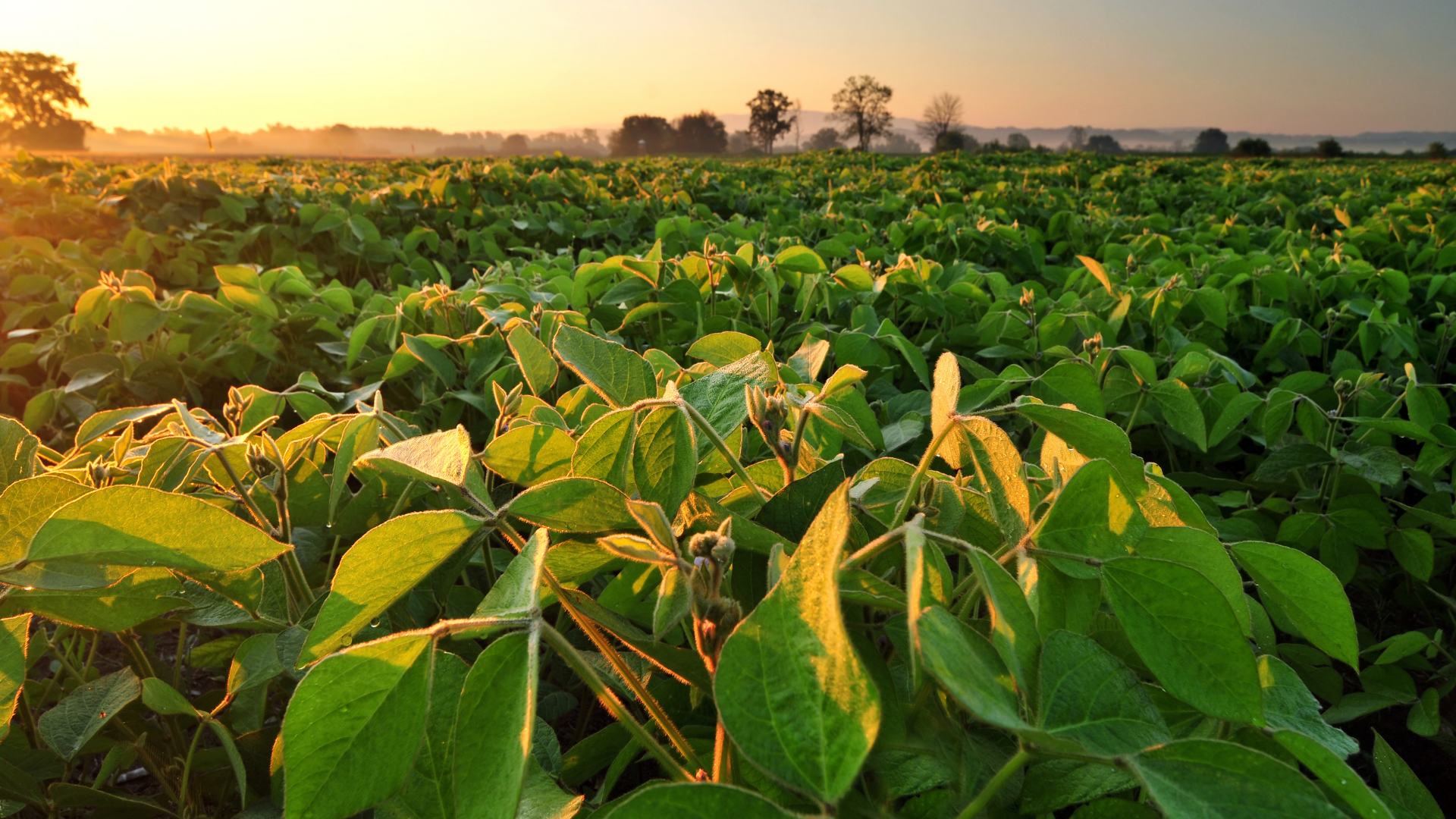
🌱 Soya Farming: A Versatile & High-Protein Crop
Soya is an essential protein source for both human consumption and animal feed. South Africa produces around 2.5 million tons of soya beans annually, with demand growing due to the local poultry and livestock industries.
At Maritz Nel Family Trust, soya farming includes:
- Crop rotation techniques to improve soil fertility and reduce pests
- High-efficiency harvesting to reduce post-harvest losses
- Sustainable water usage to maintain long-term productivity
- Genetically optimized seeds for disease resistance and higher yields
📌 Example: The adoption of genetically modified (GM) soya beans in South Africa has significantly increased productivity. About 95% of South Africa’s soya bean crops are genetically modified to be herbicide-resistant, allowing farmers to increase yield and reduce losses from weeds.
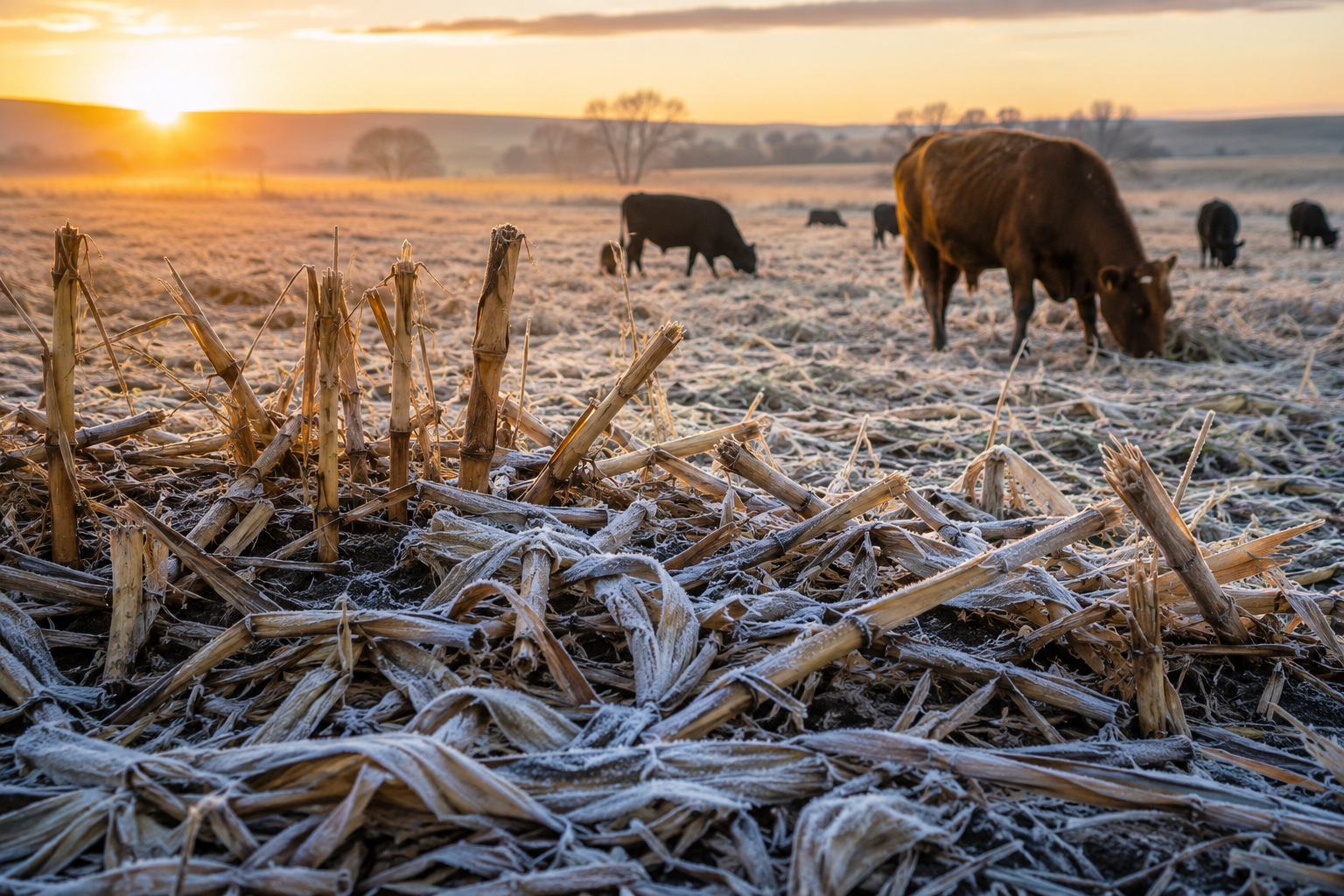
Livestock Cattle Farming: High-Yield, Sustainable Practices
South Africa’s beef industry is one of the largest in Africa, producing over 1.1 million tons of beef annually. Intensive farming methods help maximize production efficiency while ensuring sustainable resource use.
At Maritz Nel Family Trust, cattle farming involves:
- Precision nutrition and feed management for optimal growth and health
- Controlled grazing strategies to improve pasture sustainability
- Veterinary care and disease prevention measures to enhance herd longevity
📌 Example: The Bonsmara cattle breed, developed in South Africa, is known for its ability to thrive in local conditions while maintaining high meat quality. Intensive cattle farming techniques, including feedlot systems, allow for faster growth rates and higher beef production per hectare. South Africa has over 700,000 cattle in feedlots at any given time, ensuring a steady supply to local and international markets.
Benefits of Intensive Farming
- 🌍 Increased Food Production – Helps meet growing population demands without expanding farmland.
- 💰 Higher Profitability – Efficient use of resources leads to greater financial returns for farmers.
- 💦 Efficient Water & Land Use – Smart irrigation and optimized soil management reduce wastage.
- ♻ Sustainability & Innovation – Advanced technology minimizes environmental impact and supports long-term farming success.
Maritz Nel Family Trust remains dedicated to balancing productivity with sustainability, ensuring that modern farming techniques contribute to a future of abundant, high-quality food production in South Africa.