Published 16 June 2025
Introduction
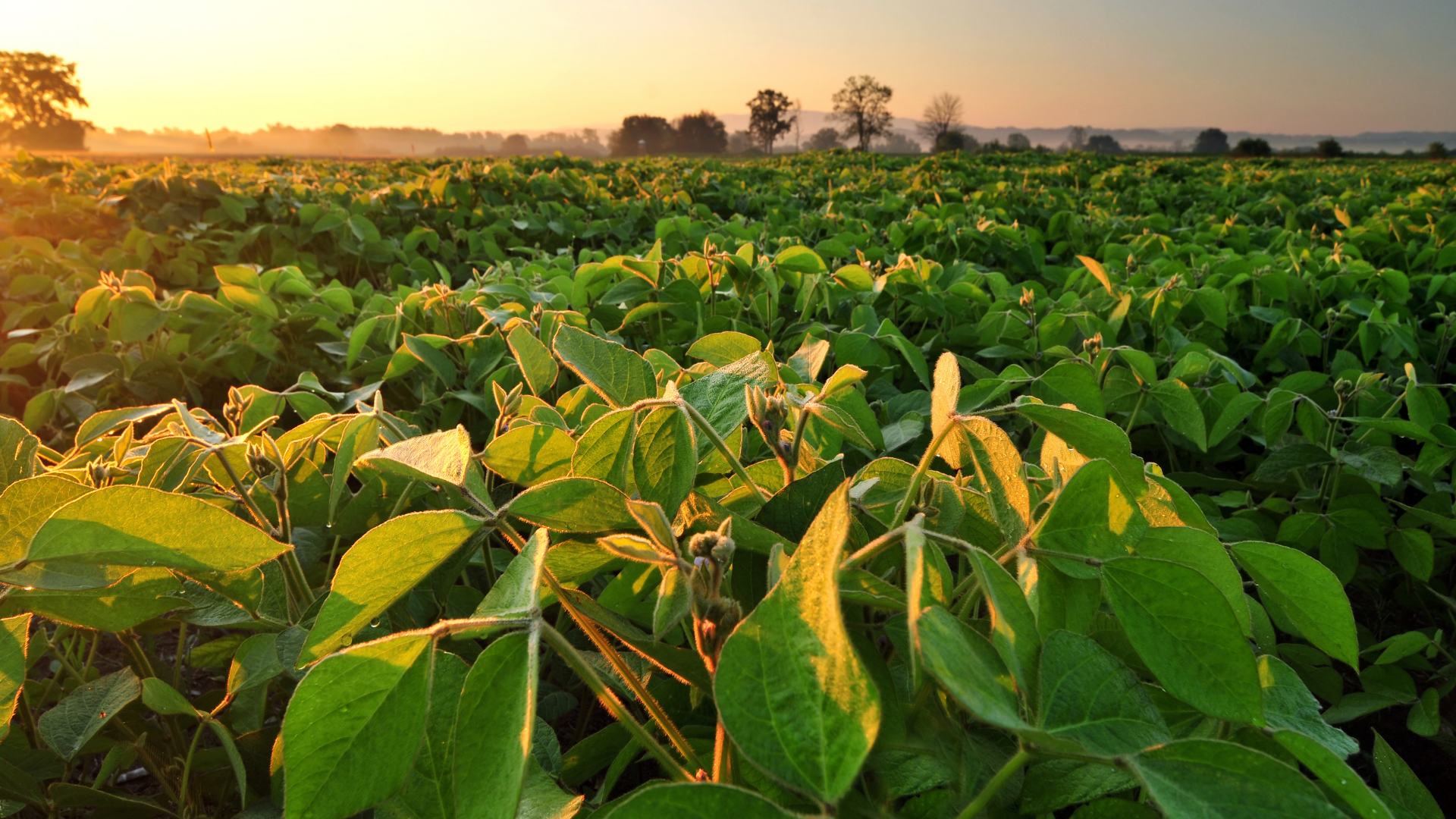
South Africa leads Africa in soya farming and production, and the Free State province is its most productive region. As part of Maritz Nel’s maize–soya–livestock rotation strategy, soya plays a vital role in sustainable farming, food security, and environmental stewardship.
National & Regional Production Snapshot
South Africa accounts for over 35% of Africa’s soybean output, with 1.15 million ha planted in 2023, yielding a record 2.76 million tonnes.
Though planted area declined ~10% in 2024, harvests (~2.17 M t) remain above the five-year average.
The Free State contributed ~43% of national output (~504 k t in 2019/20) — its climate and soil make it ideal for soya.
Why Soya Belongs in Your Rotation
- Nitrogen fixation: Soya’s symbiotic bacteria reduce expensive synthetic fertiliser use and cut environmental damage.
- Pest/disease break: Interrupts pest cycles, improving maize performance in following seasons.
- Profitability boosts: Strong yields (~2–4 t/ha, with potential to hit 7 t/ha under optimal conditions) and rising animal-feed demand.
- Market resilience: Local processing and export growth bolster Free State soya’s returns.
Maritz Nel’s Sustainable Soya Blueprint
a. Crop Establishment & Variety Selection
Planting begins in early November, relying on warm soil and appropriate photoperiod-sensitive cultivars for flowering timing.
We choose region-specific cultivars (ARC‑recommended) to optimise yield and maturity.
b. Conservation Practices
No‑till drilling & controlled seedbeds minimise soil disturbance and conserve residual moisture.
The 12‑month fallow cycle (read more in our Challenges & Triumphs post) replenishes soil and supports biodiversity.
Cover crops (e.g., legumes, radish mixes) further enrich organic matter.
c. Precision Agricultural Techniques
GPS‑guided drills ensure accurate flight and spacing.
Soil is sampled regularly for tailored nutrient management.
d. Integrated Pest & Disease Control
Regular field scouting identifies threats like bollworm and Sclerotinia stem rot, utilising targeted interventions.
Improved field layout and canopy spacing help manage humidity and airflow, reducing disease pressure in a dryland system.

Harvest & Logistics
Combine harvesting occurs just post-pod drop when moisture hits ~14%.
Shared equipment with maize ensures efficient capital and operational deployment.
Grain is stored under climate control before transport via eco‑efficient truck routes to buyers or processors.
Market Trends & Economic Outlook
BFAP forecasts over 2.8 million tonnes produced by 2023 across SA.
Rising demand in feed sectors and non‑GMO specialty markets (e.g., textured vegetable proteins) offer elite pricing.
Soya oilcake continues to dominate feed, expected to cover 79% of domestic animal feed with projected self-sufficiency by 2029.
Free State Advantage
Rich, free‑draining soils, consistent summer rains (500–900 mm), and appropriate photoperiod make the region ideal.
Strong transport links and proximity to processing facilities, supported by groups like AFASA and SACAU.
Innovation & Future Outlook
Maritz Nel plans trials in IoT sensors and drones to improve field scouting and decision-making.
We’re exploring non‑GMO cultivars to meet specialty demand—monitoring Biowatch and ARC trials.
As Free State yields rise, we’re exploring in-house processing to capture local value.