Published 19 March 2025
Maize is one of South Africa’s most significant staple crops, playing a crucial role in the country’s agricultural economy and food security. As the primary grain produced and consumed, maize supports millions of livelihoods, from smallholder farmers to large-scale commercial operations. Compared to other crops like wheat, soybeans, and sorghum, maize remains dominant due to its adaptability, high yield potential, and demand across various industries.
Maize Farming in South Africa
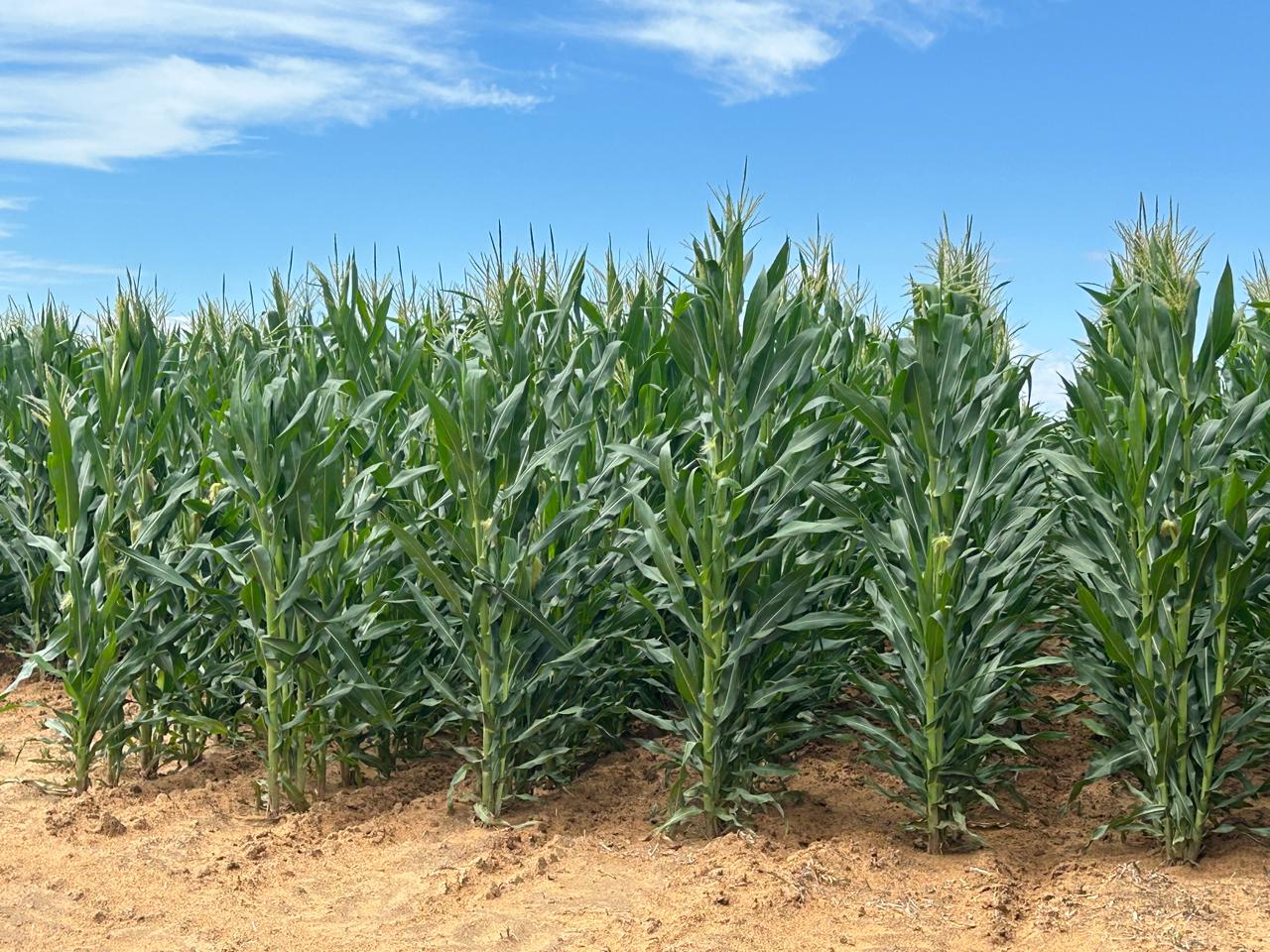
South Africa is the largest maize producer in Africa, with the crop covering vast areas of land across the country. The Free State, Mpumalanga, and North West provinces are the main maize-growing regions due to their favorable climate and soil conditions. Maize is grown primarily as a summer crop, with farmers relying on both dryland and irrigated farming methods to maximize yields.
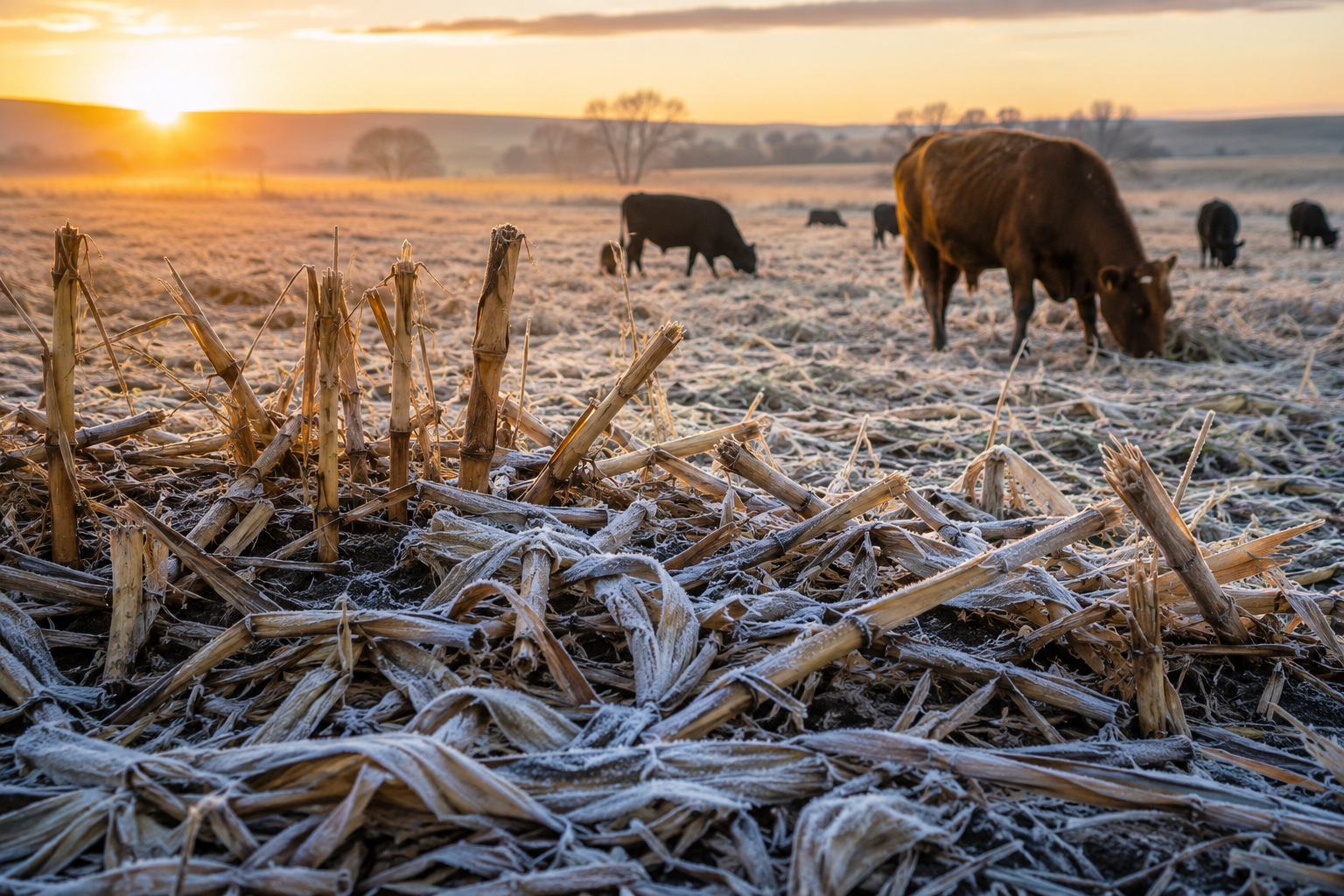
The industry is divided into two main sectors: white maize, which is a staple food used for human consumption in products like pap, and yellow maize, which is primarily used as animal feed in the livestock industry. South Africa’s maize production is so significant that it not only meets local demand but also contributes to international exports, particularly to neighbouring African countries.
Comparing Maize to Other Staple Crops
While maize dominates South African agriculture, other staple crops also play an important role:
- Wheat: Unlike maize, wheat is primarily grown in the Western Cape due to its winter rainfall climate. However, South Africa is a net importer of wheat as local production does not meet demand.
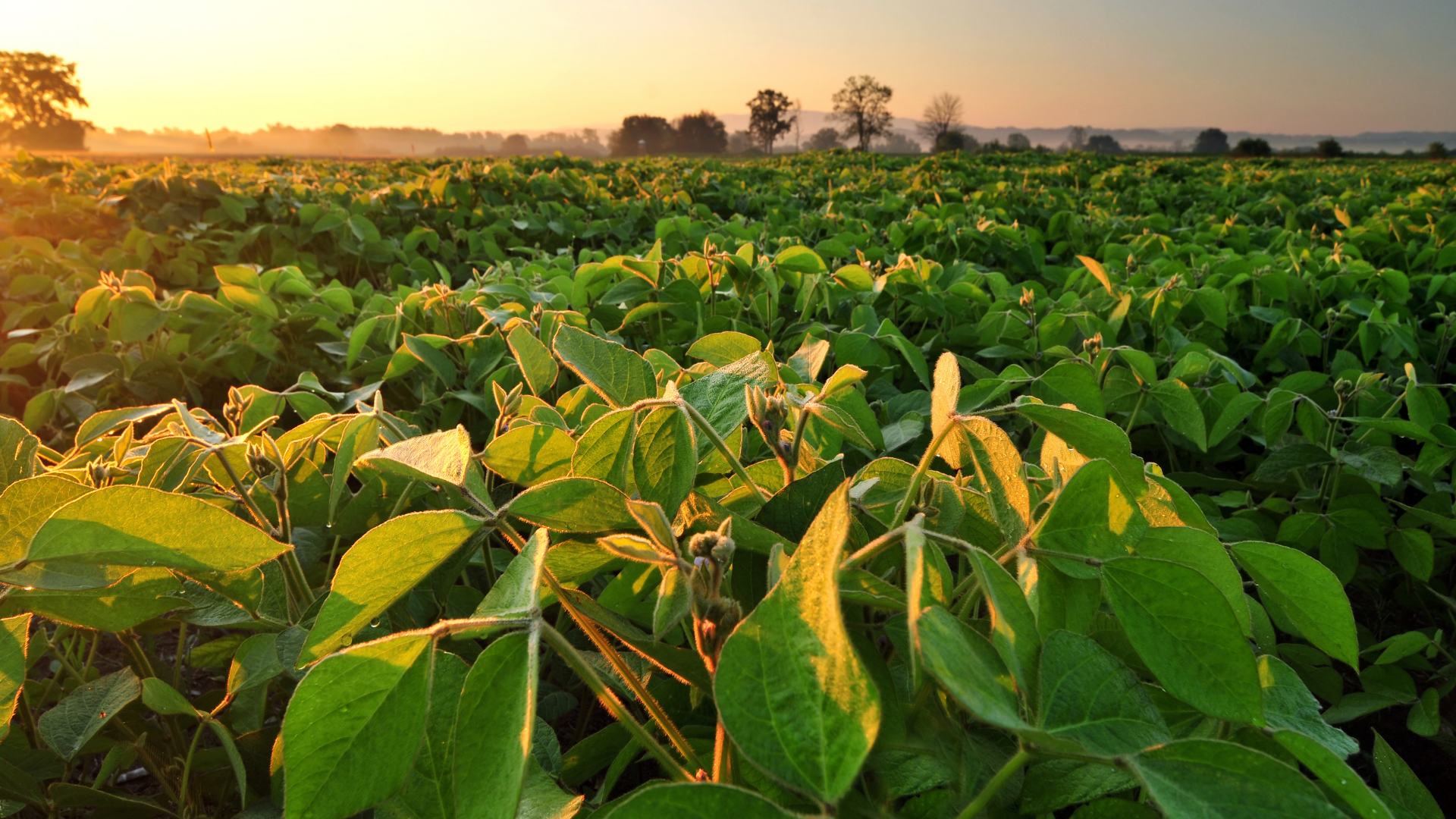
- Soybeans: Gaining popularity due to their high protein content and use in animal feed, soybeans require more rainfall than maize and are primarily grown in Mpumalanga and the Free State.
- Sorghum: Traditionally grown in drier regions, sorghum is a drought-resistant alternative to maize but lacks the same level of commercial demand.
- Sunflowers: Often grown alongside maize, sunflowers are valued for their oil production but do not provide the same food security benefits as maize.
The Economic Impact of Maize
Maize farming is a major contributor to South Africa’s economy. It creates employment opportunities across the agricultural supply chain, from planting and harvesting to processing and distribution. Additionally, maize-based products are key components in various industries, including food processing, animal feed production, and biofuels.
When maize yields are high, the country experiences greater food stability, lower grain prices, and increased economic activity. However, periods of drought or poor crop performance can have adverse effects, leading to increased prices and food shortages, particularly in vulnerable communities.
Challenges Facing Maize Farmers
While maize farming is essential, it also faces several challenges:
- Climate Variability: Droughts and unpredictable rainfall patterns impact yields, making it essential for farmers to adopt climate-smart practices such as conservation tillage and drought-resistant maize varieties.
- Pests and Diseases: Maize crops are susceptible to pests like fall armyworm, which can devastate fields if not properly managed.
- Market Fluctuations: Global maize prices, currency fluctuations, and local demand influence the profitability of maize farming.
- Input Costs: The high cost of fertilizers, seeds, and machinery affects small-scale farmers’ ability to compete with commercial producers.
The Future of Maize Farming in South Africa
To sustain and enhance maize farming, innovation and technology must play a leading role. Precision farming, improved irrigation techniques, and the development of genetically modified maize varieties resistant to drought and pests are some of the ways the industry is evolving.
Additionally, diversifying crop production by integrating soybeans, sorghum, or sunflowers alongside maize can improve soil health, enhance food security, and mitigate risks associated with climate change.
Government support, private-sector investment, and farmer cooperatives are also vital in ensuring long-term growth and stability. By prioritizing sustainability, South Africa can continue to be a leading maize producer and maintain food security for its people.
Conclusion
Maize is more than just a crop in South Africa—it is a lifeline for millions of people. As a cornerstone of the agricultural sector, its production, processing, and distribution influence economic growth and food stability. Compared to other crops, maize remains the dominant staple due to its high yields, economic impact, and adaptability. By addressing challenges and embracing innovation, the maize industry can remain a vital part of South Africa’s future.