Published 5 March 2025
The Northern Free State is home to some of South Africa’s most dedicated farmers, with its fertile plains playing a vital role in the country’s agricultural economy. However, farming in this region is not without its challenges. From unpredictable weather patterns to economic pressures, farmers must constantly adapt to sustain their businesses. The Maritz Nel Family Trust, a fifth-generation farming enterprise, has successfully navigated these hurdles while maintaining a commitment to sustainable and efficient agricultural practices.
Challenges in the Northern Free State
- Climate and Weather Extremes
The Northern Free State experiences a range of weather conditions, from droughts to intense rainfall. With climate change causing more extreme weather fluctuations, farmers must prepare for unpredictable planting and harvesting seasons. Droughts reduce water availability, while excessive rains can lead to soil erosion and crop damage. The impact on maize and soya production, two key crops in the region, can be significant. - Water Scarcity and Soil Management
Unlike other regions that rely on irrigation, farming in the Northern Free State is predominantly dependent on natural rainfall. Due to concerns about wind erosion, no-till farming is not a viable solution. Instead, the Maritz Nel Family Trust employs a system called the rest land cycle, where fields are left to rest for 12 months. This practice allows the soil to regain maximum moisture levels and restores essential nutrients, including pH balance, nitrogen, and magnesium, ensuring sustainable soil health and productivity. - Soil Degradation and Fertility Maintenance
Intensive farming practices can lead to soil depletion, making it harder to maintain high yields. The overuse of chemical fertilizers can contribute to long-term soil health issues. Sustainable farming practices, such as the rest land system and organic soil enrichment, are crucial for preserving the land for future generations. - Economic Pressures and Market Fluctuations
Farmers in the Northern Free State face economic challenges, including fluctuating commodity prices, rising input costs, and changing global trade policies. The cost of seeds, fertilizers, and fuel continues to increase, impacting profitability. Additionally, competition with larger agribusinesses makes it essential for smaller and family-run farms to innovate and optimize operations. - Livestock Management and Disease Control
For those involved in livestock farming, maintaining herd health is an ongoing challenge. Disease outbreaks can lead to significant financial losses, requiring vigilant monitoring and investment in veterinary care. Ethical and sustainable livestock farming is also becoming more critical as consumer demand shifts toward responsible meat production practices.
Triumphs and Sustainable Solutions
Despite these challenges, farmers in the Northern Free State continue to find innovative ways to succeed. The Maritz Nel Family Trust, with its rich agricultural history, has embraced modern farming techniques to overcome obstacles and maintain productivity.
- Embracing Technological Advancements
By integrating precision farming technologies, such as GPS-guided equipment and satellite monitoring, the Trust optimizes planting and soil management. These tools help maximize yields while reducing waste and conserving resources. - Sustainable Farming Practices
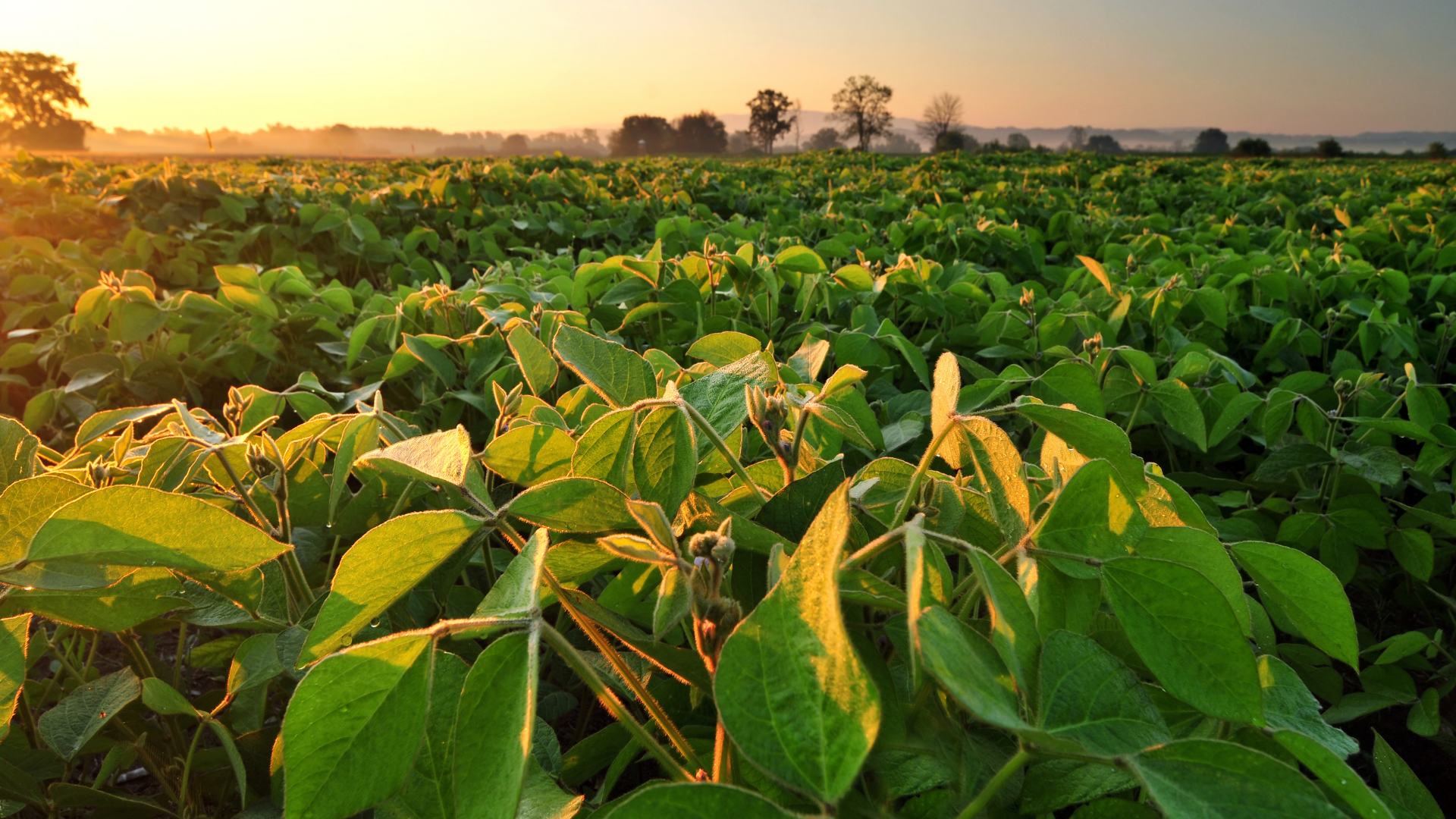
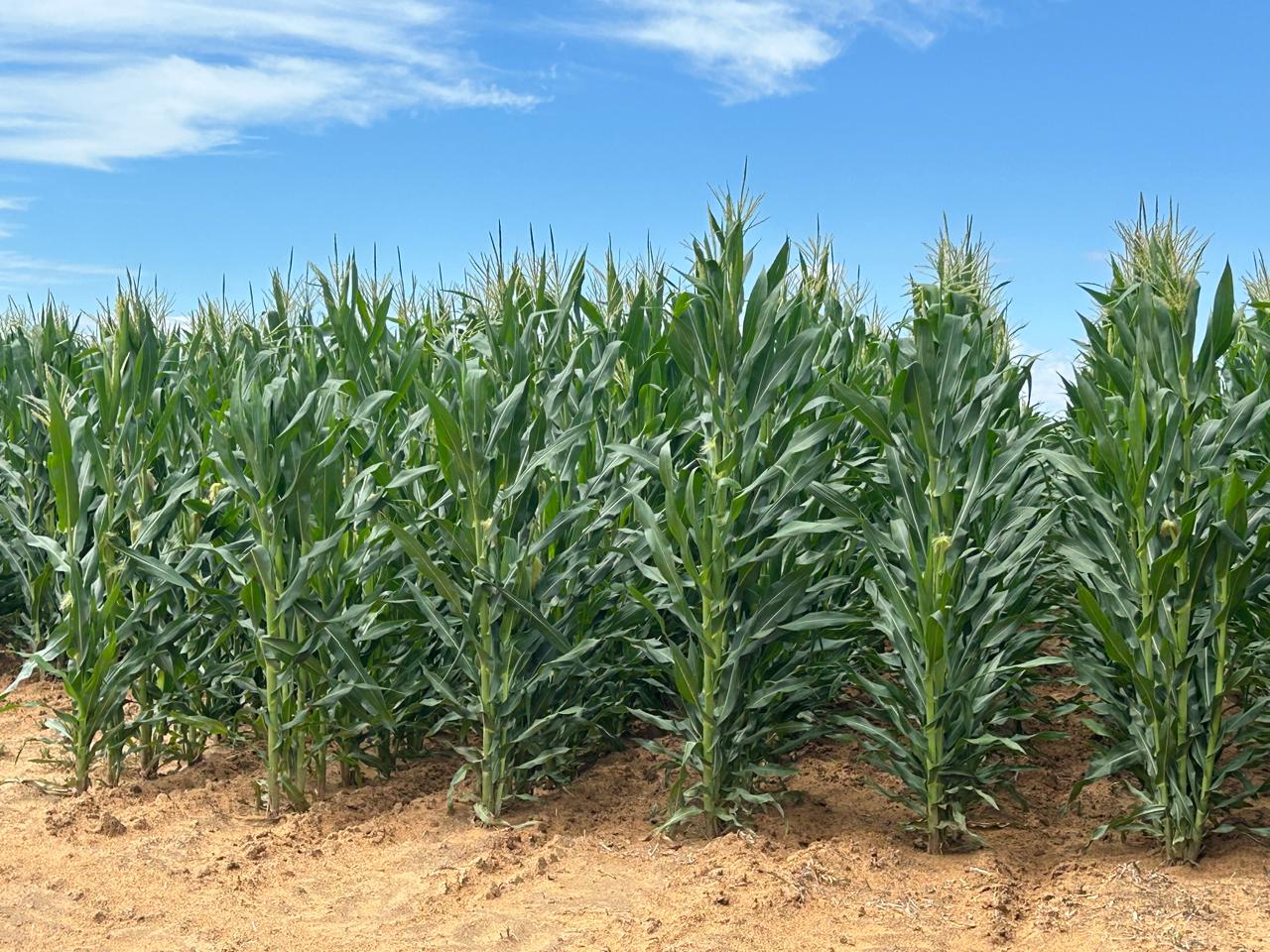
The Trust has adopted conservation agriculture methods, including crop rotation between maize and soya, to maintain soil health. This approach not only improves productivity but also ensures long-term sustainability. - Dryland Farming and the Rest Land System
Instead of using irrigation or drip irrigation, the Maritz Nel Family Trust follows a dryland farming approach, implementing the rest land cycle. By allowing fields to rest for 12 months, the soil regains essential nutrients and moisture, ensuring optimal pH, magnesium, and organic matter levels for the next planting cycle. This method is crucial in maintaining long-term soil fertility and resilience. - Diversification for Economic Resilience
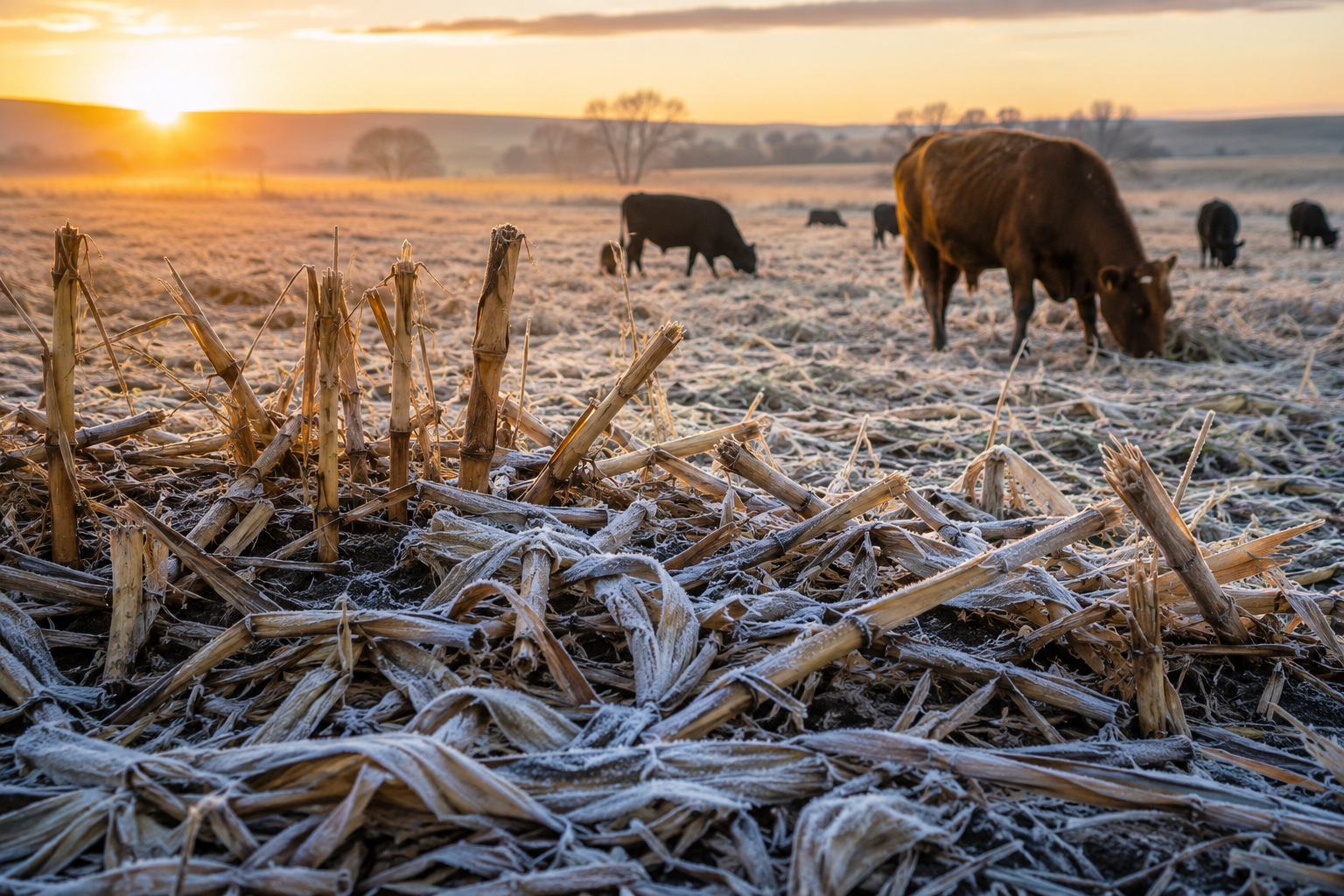
To mitigate financial risks, the Trust has diversified its agricultural operations. By combining crop farming with livestock management, they create multiple revenue streams, reducing dependency on any single market. - Investing in Community and Knowledge Sharing
Strong agricultural communities contribute to resilience. The Maritz Nel Family Trust participates in knowledge-sharing initiatives, collaborating with local farmers to exchange best practices and adapt to industry trends. This cooperative approach strengthens the overall agricultural sector in the Northern Free State.
Conclusion
Farming in the Northern Free State is a challenging yet rewarding endeavour. Through resilience, innovation, and sustainable practices, the Maritz Nel Family Trust and other farmers in the region continue to thrive. By addressing environmental and economic challenges head-on, they ensure that agriculture remains a cornerstone of the local economy for generations to come. As technology and sustainability efforts advance, the future of farming in the Northern Free State looks promising, offering hope and inspiration to the next generation of farmers.