Published 29 April 2026
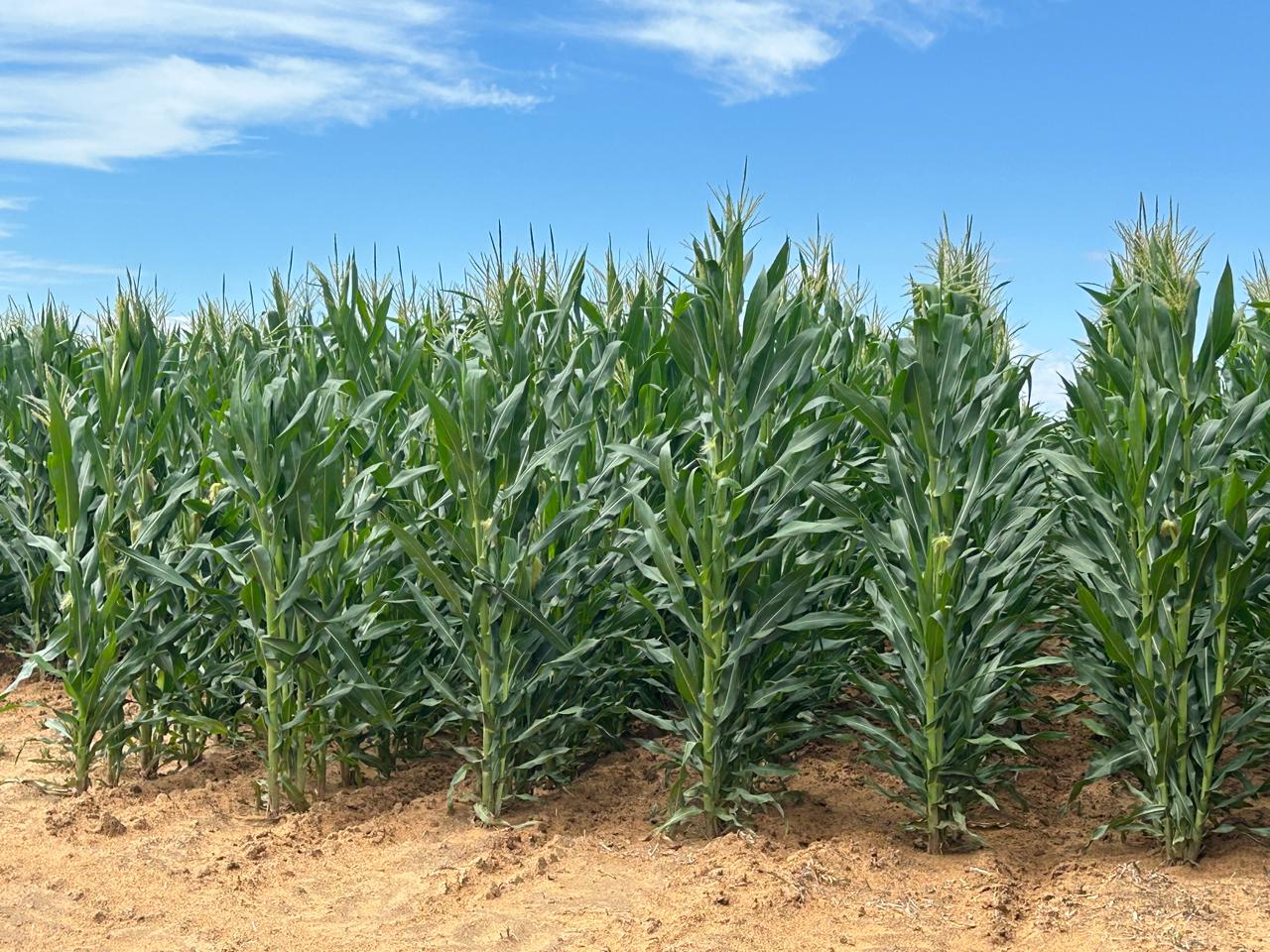
Maize is more than just a crop in South Africa—it’s a cornerstone of daily life, food security, and the agricultural economy. From the food on our tables to the feed that supports livestock, maize plays a role far bigger than most people realise.
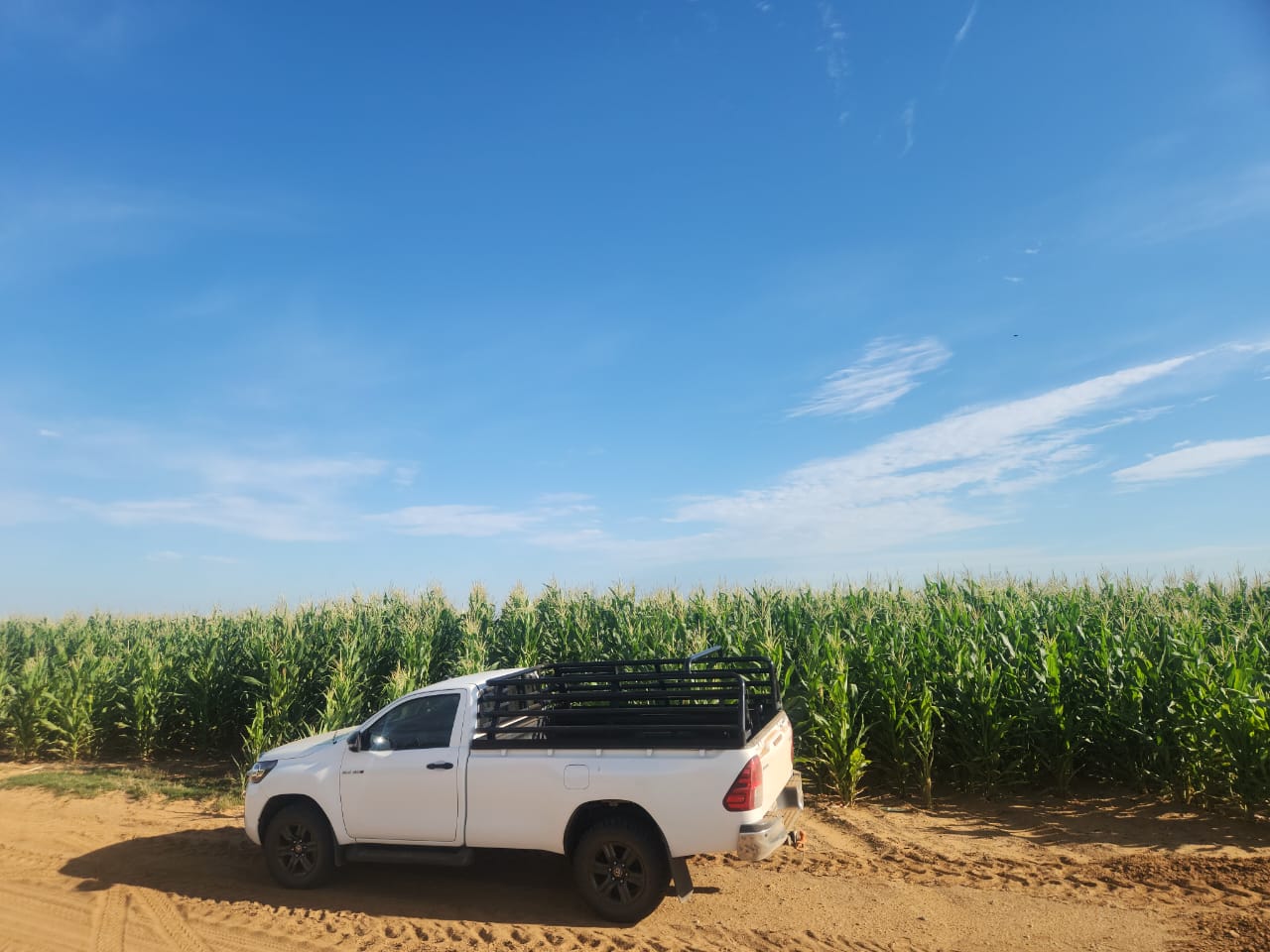
On farms across the country, including here at Maritz Nel, maize remains a key driver of production, sustainability, and long-term planning.
Here are 10 reasons why maize continues to be one of South Africa’s most important crops.
1. A Staple Food for Millions
Maize is the foundation of one of South Africa’s most widely consumed foods: maize meal. Whether it’s pap, porridge, or other variations, it feeds millions of households every day.
Its affordability, availability, and versatility make it a critical part of the national diet.
2. Backbone of the Livestock Industry
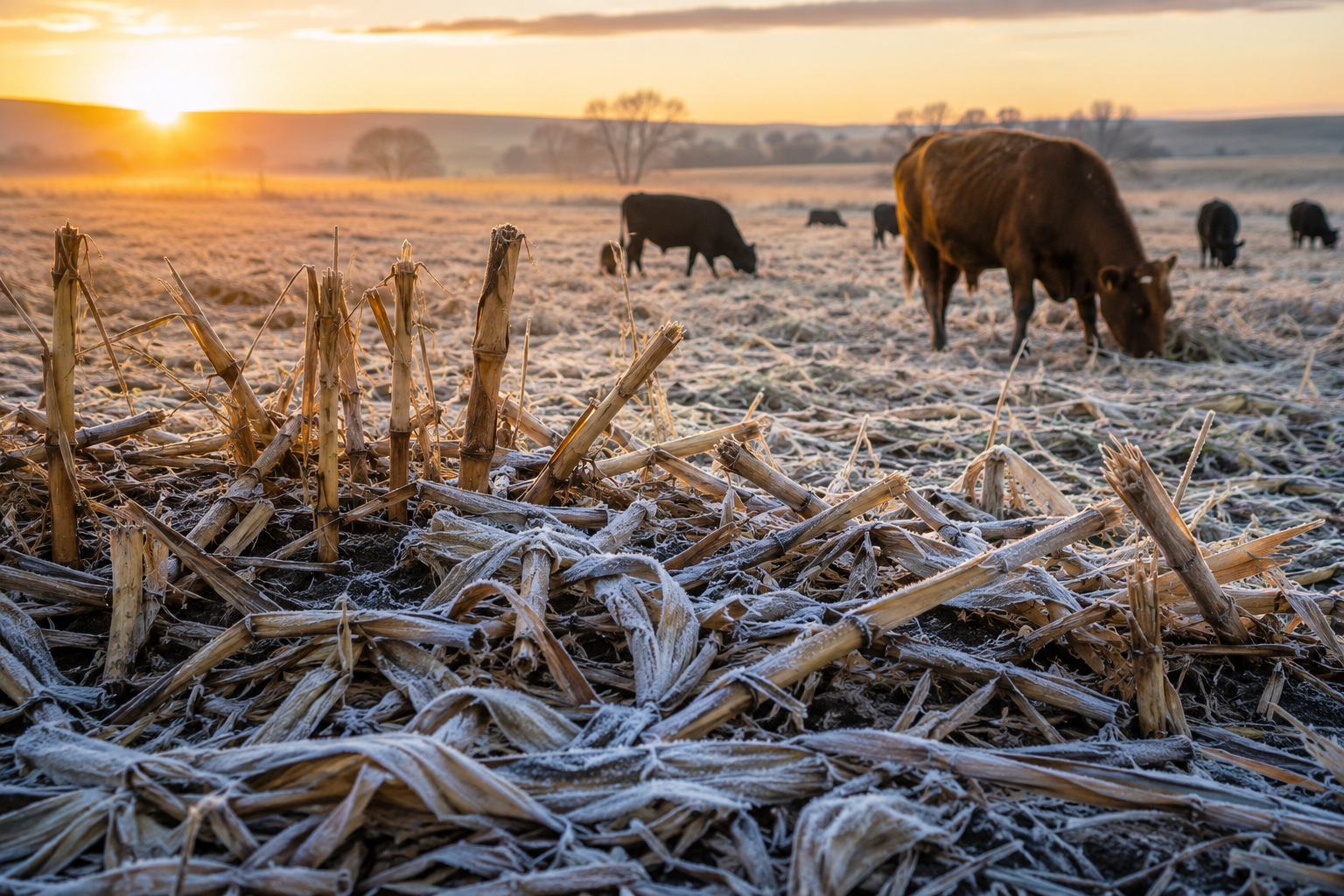
A significant portion of maize produced in South Africa is used as animal feed. Poultry, cattle, and pigs all rely heavily on maize-based feed to grow efficiently.
Without maize, the cost of meat, eggs, and dairy would rise sharply, affecting the entire food chain.
3. Essential for Food Security
Food security depends on reliable, high-volume crops—and maize delivers on both fronts. It produces high yields per hectare and can be stored for long periods, making it a dependable food source even in uncertain conditions.
This makes maize a strategic crop for both farmers and the country as a whole.
4. A Major Economic Contributor
Maize farming supports thousands of jobs across the agricultural value chain—from planting and harvesting to transport and processing.
It also contributes significantly to South Africa’s agricultural GDP and plays a role in both local and export markets.
5. Used in Everyday Products
Maize isn’t just food. It’s used in a wide range of everyday products, often without people realising it.
These include:
- Corn starch for cooking and manufacturing
- Sweeteners used in processed foods
- Ingredients in cosmetics and pharmaceuticals
- Biodegradable plastics and packaging
Maize quietly powers multiple industries beyond agriculture.
6. Supports Rural Economies
In many rural areas, maize farming is a primary source of income and economic activity. It supports farm workers, local suppliers, transport services, and small businesses.
Strong maize production often means stronger rural communities.
7. Plays a Role in Renewable Energy
Maize is also used in the production of biofuels such as ethanol. While this is still developing in South Africa, it represents an important step toward more sustainable energy solutions.
As energy demands evolve, maize could play an even bigger role in the future.
8. A Valuable Export Crop
South Africa regularly produces surplus maize, allowing it to export to neighbouring countries and beyond. This strengthens regional food systems and brings valuable foreign income into the economy.
Exports also help stabilise prices and manage supply locally.
9. Highly Versatile in Farming Systems
Maize fits well into different farming systems and crop rotations. It can be grown under a variety of conditions and paired with other crops to improve soil health and manage risk.
This flexibility makes it a practical choice for many South African farmers.
10. Constantly Improving Through Innovation
Advancements in seed technology, irrigation, and farming practices continue to improve maize yields and resilience. Farmers are adapting to changing climates, water availability, and market conditions.
At Maritz Nel, maize production is approached with a focus on efficiency, sustainability, and long-term viability—ensuring that each season builds on the last.
Final Thoughts
Maize is deeply woven into South Africa’s agricultural and economic fabric. It feeds people, supports industries, drives rural economies, and continues to evolve with modern farming practices.
Understanding its importance helps highlight just how critical agriculture is—not just to farmers, but to every South African.