Published 24 July 2025
Across South Africa’s Free State and Northern Cape, natural grasslands once covered vast stretches of open land. These ecosystems, often taken for granted, are the unsung heroes of sustainable farming. At the Maritz Nel Family Trust, we believe restoring natural grasslands isn’t just a farm-level priority—it’s a regional and national one.
In this article, we’ll explore what natural grasslands are, why they’re disappearing, and how restoring them delivers lasting benefits—not just for farmers, but for communities, water systems, and biodiversity.
What Are Natural Grasslands?
Natural grasslands are open landscapes dominated by indigenous grasses, herbs, and small shrubs. They are home to a rich variety of wildlife, insects, and microbial life, many of which are found only in Southern Africa.
These ecosystems evolved with fire, wild grazers, and shifting seasonal patterns—making them incredibly resilient. But that resilience is being tested by human activity, especially in agricultural zones.
Why South Africa’s Grasslands Are Under Threat
According to studies from SANBI and WWF, only about 40% of South Africa’s grasslands remain in a natural or near-natural state. The key threats include:
- Overgrazing and continuous stocking
- Bush encroachment (e.g. by invasive species like Prosopis or Acacia karroo)
- Soil erosion and compaction
- Ploughing or monoculture expansion
- Uncontrolled fire regimes
Left unchecked, these factors degrade soil, reduce water retention, and lead to the collapse of vital ecosystem services.
What Restoration Actually Looks Like
Restoring grasslands isn’t as simple as planting grass or removing bushes. It’s a seasonal, multi-year process that involves understanding the land’s history, natural rhythms, and carrying capacity.
At Maritz Nel Family Trust, our restoration work includes:
- Resting overgrazed areas for entire seasons
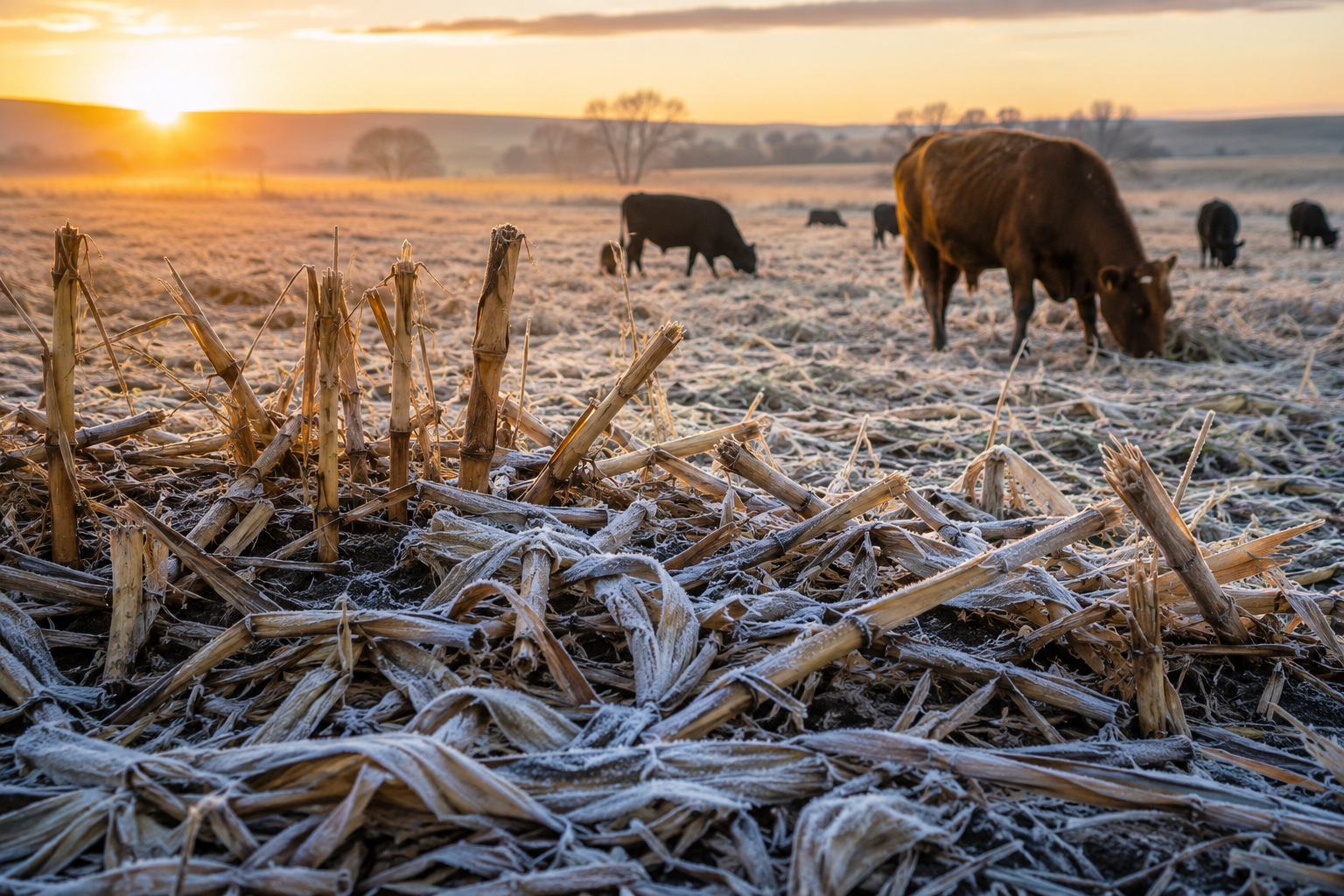
- Controlled rotational grazing using cattle as regenerative tools
- Selective bush clearing to restore light and space to grasses
- Monitoring veld condition using fixed photo points and biodiversity indicators
- Collaborating with neighbours to manage cross-boundary ecosystems
Why It Matters Beyond the Farm Fence
🌱 1. Restored Grasslands Support Healthy Soil
Healthy veld is full of root systems that hold soil together, reducing erosion and boosting organic matter content. This improves water retention, reduces compaction, and creates a thriving environment for soil microbes and earthworms—the unsung workers of agriculture.
💧 2. Natural Grasslands Are Water Infrastructure
In a country where every drop counts, grasslands play a critical role in water infiltration and purification. Dense, healthy grass cover slows rainfall runoff, allowing more water to soak into the soil and recharge aquifers. This helps stabilise borehole levels and reduces siltation in dams and rivers.
A degraded patch of veld doesn’t just lose productivity—it loses function.
🐦 3. Biodiversity Flourishes in Grassland Ecosystems
South African grasslands support hundreds of species, including:
- Ground-nesting birds like the Blue Crane
- Small mammals like springhares
- Pollinators such as wild bees and hoverflies
- Predators like jackals and raptors
Each species plays a role in the system—from pest control to pollination. When veld is restored, these services come back naturally, improving long-term farm sustainability.
🔥 4. Better Fire Management and Climate Resilience
Restored veld provides natural firebreaks and prevents the build-up of dry, flammable biomass. It also contributes to climate regulation by:
- Sequestering carbon in root systems
- Reducing surface temperatures
- Supporting drought-resilient grazing systems
The long-term result? More stable yields, healthier herds, and reduced risk from unpredictable weather.
📈 5. Economic and Social Value
Veld restoration isn’t just “good for the environment”—it’s good business:
- Improved livestock condition on natural grazing
- Reduced reliance on expensive feed and supplements
- Lower erosion repair costs
- Stronger land valuation in the long run
For communities and trust-owned land, healthy grasslands ensure that shared resources—from grazing rights to water—are protected for the next generation.
A Case from the Field: Resting a Tired Camp
In 2022, we rested a heavily overgrazed camp on one of our Free State farms. After just two seasons of rest and rainfall, native grasses like Themeda triandra (red grass) and Eragrostis curvula began to reappear. Antelope returned, and bird activity increased.
This wasn’t just an ecological win—it allowed us to reintroduce cattle to the camp under controlled rotation, increasing veld recovery while still producing beef.
Where to From Here?
Restoring natural grasslands is not a one-time project—it’s a mindset. One that prioritises long-term thinking over short-term yields. It requires patience, observation, and the willingness to work with nature instead of against it.
As custodians of the land, we owe it to future generations to leave behind not just functioning farms, but living landscapes.
🌿 Get Involved or Learn More
Whether you’re a neighbouring farmer, land manager, or simply curious about regenerative agriculture, we invite you to connect with us. Visit our News & Insights section or follow our updates on veld restoration, livestock transport, and trust-based land management.