Published 11 September 2025
Introduction
Dryland farming – producing food without irrigation – is one of the oldest and most resilient forms of agriculture in South Africa. It is also one of the most demanding. The Free State, widely regarded as the country’s breadbasket, has long been at the heart of this story. Here, farmers contend with erratic rainfall, drought cycles, soil degradation, and extremes of temperature. Yet, despite these challenges, the Free State continues to produce maize, wheat, and livestock at a scale that sustains both local communities and national food security.
At Maritz Nel, we have already shared nine lessons from the field that showcase practical strategies drawn from over a century of experience. But these lessons extend beyond one province. They offer South Africa a blueprint for resilience in a future where sustainability is not optional, but essential.
The Free State as a Model for Resilience
The Free State has become a natural model for resilience because of its harsh realities. Limited access to irrigation means farmers must depend entirely on rainfall. Summers can bring abundance, but they are often followed by winters of vulnerability, where soils are exposed and water is scarce. In this environment, sustainability is not a slogan – it is a survival strategy.
Core Principles of Dryland Success
The core principles are clear.
Soil as the Foundation
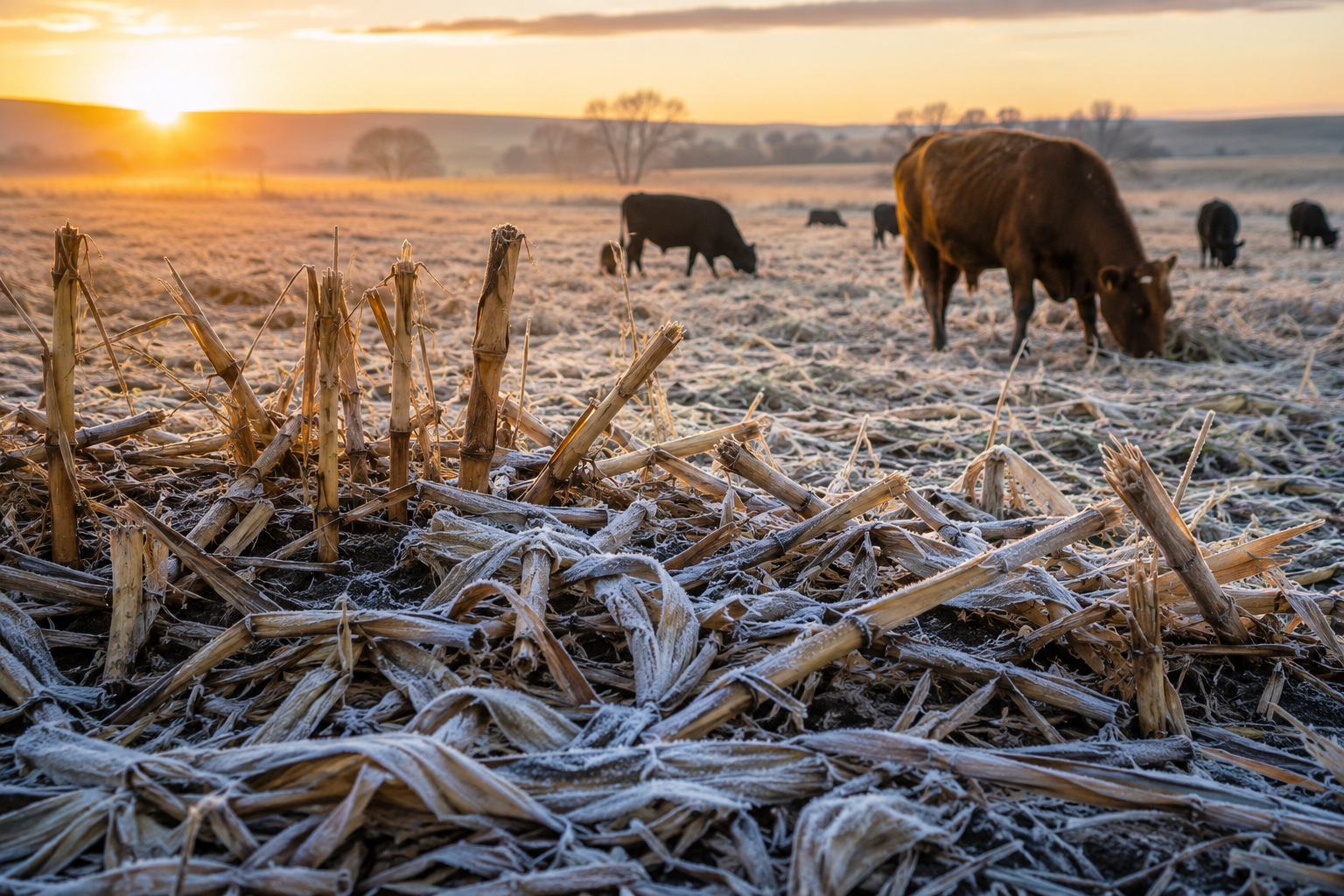
Without healthy soil, there is no foundation for farming. Conservation tillage, cover cropping, and residue retention build resilience into every hectare, helping protect the land against erosion and moisture loss.
Diversity Creates Stability
Crop rotation between maize, wheat, and legumes not only improves soil fertility but also reduces pests and disease cycles. Integrating livestock adds another layer of balance, creating an ecosystem that sustains itself.
Technology Enhances Tradition
Satellite imagery, soil moisture monitoring, and data-driven planting schedules allow farmers to anticipate challenges and make more efficient use of their resources, complementing generations of inherited knowledge.
National Impact of Free State Lessons
These practices matter not only for individual farms but for the country as a whole. Dryland farming produces the majority of South Africa’s staple foods. Strengthening these systems means strengthening food security. As climate change brings greater uncertainty, the adaptive strategies of Free State farmers form a climate adaptation blueprint for the nation. They show that resilience is not built through quick fixes but through consistent, thoughtful stewardship of land and water.
The Role of Community and Collaboration
Community is another lesson that must not be overlooked. Free State farmers rely on one another – through co-operatives, mentorships, and family networks – to share insights and provide support. Scaling this culture of collaboration nationally could accelerate knowledge transfer, particularly to younger farmers who must adapt to climate realities far harsher than those of their predecessors.
Broadening the Sustainability Lens
To meet South Africa’s future challenges, we must broaden the lens. Dryland farming is part of a larger system where water, energy, food, and ecosystems are interconnected. The Water–Energy–Food–Ecosystem (WEFE) nexus offers a framework for understanding these links. Farming practices that conserve water must also protect biodiversity. Technology must increase efficiency while remaining accessible to small-scale farmers. Each decision taken in the field ripples across communities, markets, and ecosystems.
Maritz Nel’s Commitment to Leadership
Maritz Nel Family Trust is committed to being a leader in this conversation. Our farming approach is built on stewardship: protecting soil, managing water responsibly, and integrating livestock and cropping systems to create healthier ecosystems. We are equally committed to mentorship, helping the next generation of Free State farmers adopt sustainable practices. By combining technology with traditional knowledge, and by collaborating nationally, we aim to shape the dialogue on sustainable farming and contribute to South Africa’s food future.
Conclusion
Dryland farming in the Free State has always been about more than maize and wheat. It is about resilience, community, and the ability to adapt to whatever nature brings. As South Africa faces mounting climate pressures, the lessons from the Free State provide not only hope but a practical roadmap for sustainable agriculture nationwide.
At Maritz Nel, we are committed to carrying these lessons forward – from our fields to the broader agricultural sector – helping to ensure that South African farming is both sustainable today and secure for generations to come.