Published 20 October 2026
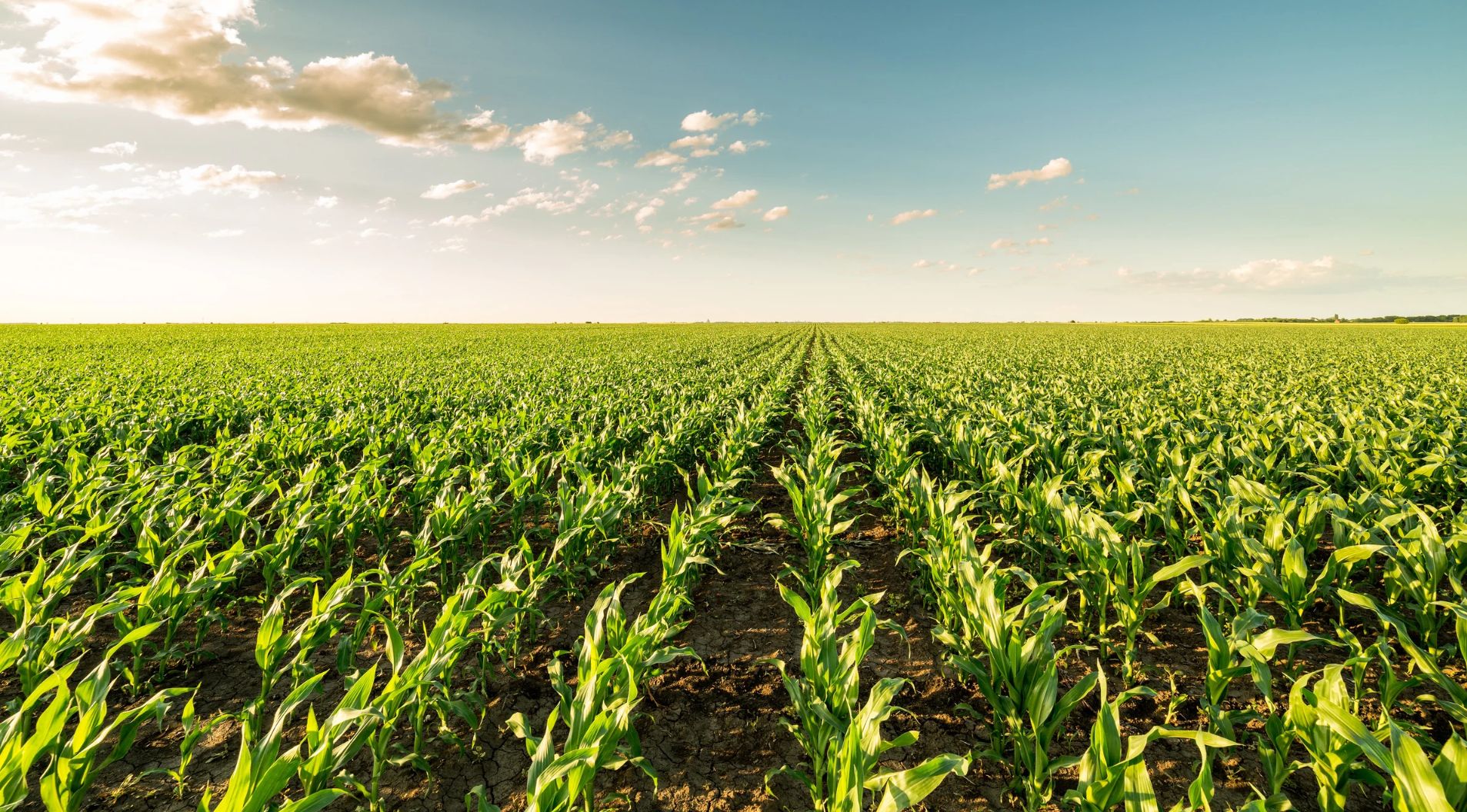
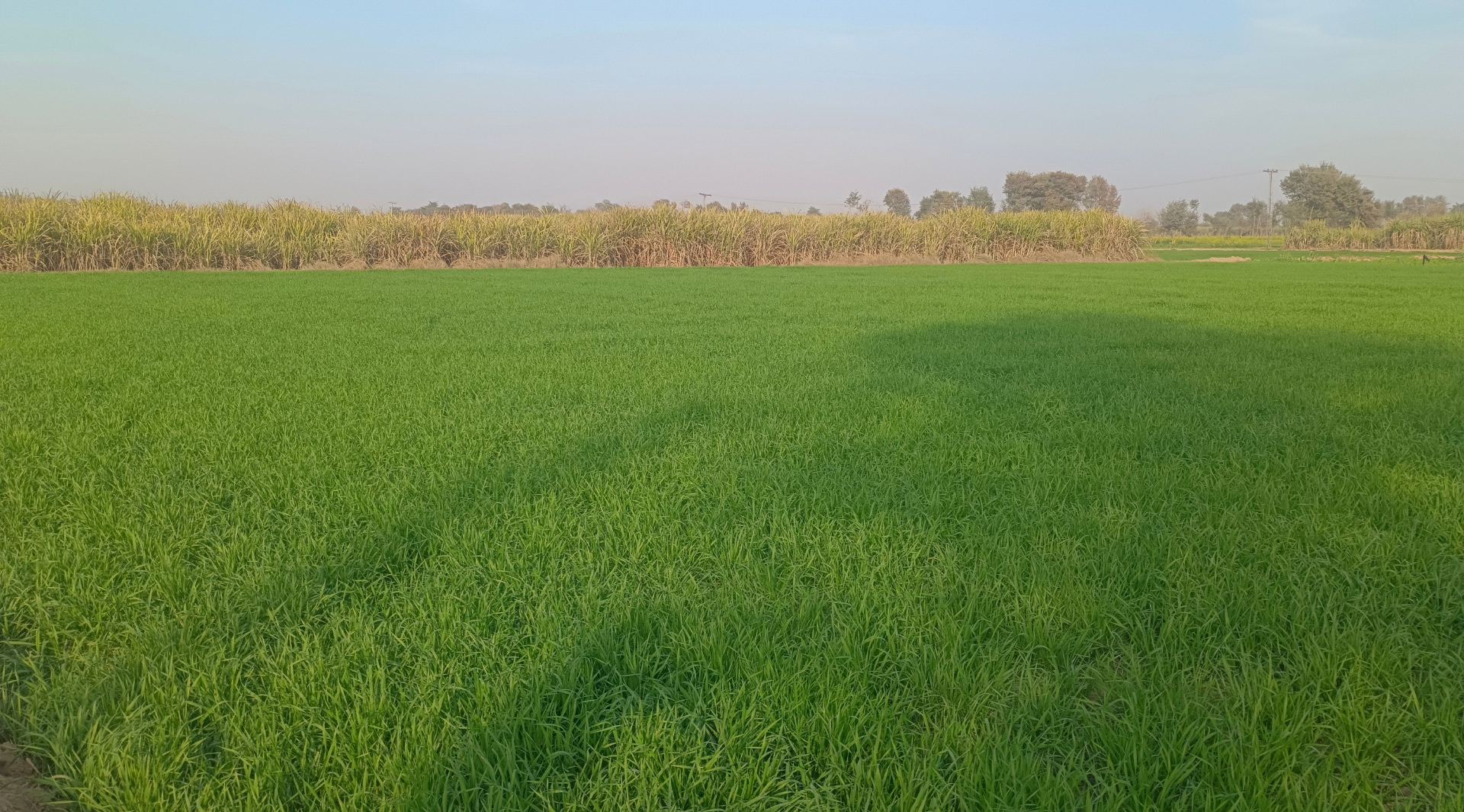
After months of dry winter grazing, the first signs of green grass are a welcome sight on a Free State farm.
As temperatures rise and the summer rainfall season approaches, natural veld begins its transition from winter dormancy to active growth. For cattle farmers, this signals the possibility of improved grazing conditions and reduced dependence on supplementary feed.
But there is an important difference between grass that looks green and grazing that can support a herd.
The first flush of spring growth brings its own nutritional challenges, and managing this transition carefully can influence both cattle condition and pasture productivity for the remainder of the season.
Green grass does not always mean enough feed
One of the most misleading aspects of early spring grazing is how quickly a landscape can change colour.
A few favourable rainfall events may encourage new shoots to appear across the veld. From a distance, grazing conditions can look dramatically better than they did just weeks earlier.
However, young grass contains a high proportion of water.
Although this new growth can be nutritious, cattle may struggle to consume enough dry matter when the available grass is still short, sparse or exceptionally lush.
Dry matter is the portion of feed that remains after its water content is removed. It contains the nutrients that animals rely on for maintenance, growth and production.
A field covered in short green shoots may therefore provide considerably less usable feed than its appearance suggests.
For cattle emerging from winter, the quantity of available grazing matters just as much as its nutritional quality.
The transition from winter feed to spring pasture
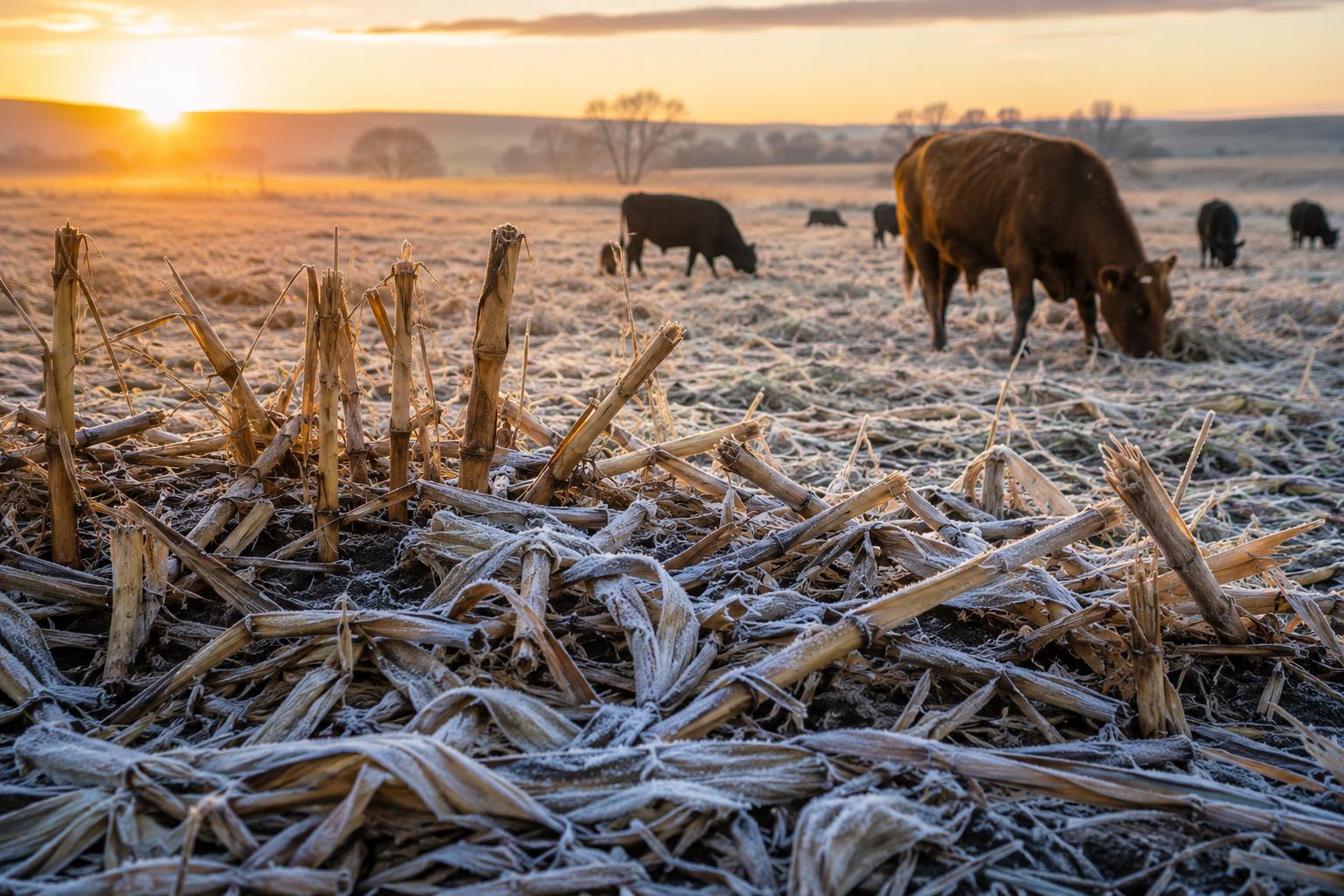
During winter, cattle in the Free State may rely on combinations of natural veld, harvested crop residues, hay and supplementary feed.
These feed sources differ substantially from fresh spring grass.
As new growth becomes available, the cattle’s diet can change relatively quickly. The microorganisms responsible for digestion in the rumen need time to adapt to changes in the type and composition of feed.
Rapid transitions onto exceptionally lush pasture can contribute to digestive disturbances.
Certain grazing conditions also increase the risk of more serious problems, including grass tetany, which is associated with inadequate magnesium availability. Frothy bloat is another concern, particularly on lush, legume-rich pastures.
These conditions do not affect every herd or grazing system equally. Risk depends on pasture composition, animal condition, mineral nutrition and other management factors.
Nevertheless, farmers should remain alert to unusual behaviour, poor appetite, muscle tremors or abdominal swelling. Suspected cases require prompt veterinary attention.
A gradual change in diet, suitable roughage and an appropriate mineral supplementation programme can help manage seasonal nutritional risks.
Why cattle condition deserves attention
The return of green grazing does not immediately reverse the nutritional demands of winter.
Cattle that have lost condition during the colder months may need time to recover.
This is particularly relevant for breeding cows, young animals and cattle with higher nutritional requirements.
Rather than judging grazing conditions only by the appearance of the pasture, farmers can monitor the animals themselves.
Changes in body condition, grazing behaviour and general performance provide useful indications of whether nutritional requirements are being met.
A cow spending most of the day grazing is not necessarily consuming enough feed.
Similarly, rapid pasture growth does not automatically mean supplementary feeding can be discontinued.
Decisions about feeding and mineral requirements should reflect the actual condition of the herd and the grazing available.
Protecting the veld during early regrowth
Spring is not only a transition period for cattle. It is also an important recovery period for natural grazing.
During winter, many grass species experience limited growth. Once moisture and suitable temperatures return, they begin producing new leaves and rebuilding their capacity for active growth.
Allowing cattle to graze these new shoots too heavily can interfere with that recovery.
Repeated removal of young growth may reduce the plant’s ability to replenish its reserves, particularly where grazing pressure was already high during winter.
This is why veld management needs to consider more than immediate feed availability.
Depending on pasture condition and the farm’s grazing system, delaying grazing in certain camps or adjusting grazing pressure can give recovering grass an opportunity to establish stronger growth.
Healthy veld provides a more dependable source of forage over time, helping livestock producers manage seasonal variation in feed availability.
The first rain is not the end of the dry season
In dryland farming areas such as the Northern Free State, rainfall is seldom evenly distributed throughout the summer.
An early shower may encourage grass growth, but this does not guarantee that regular rainfall will follow.
If conditions turn dry again, young grass can experience moisture stress before sufficient grazing has developed.
For livestock farmers, this creates an important planning challenge.
Reducing supplementary feeding too early or increasing grazing pressure immediately after the first rains can leave limited options if pasture growth slows.
Maintaining flexibility during the early part of the season is therefore valuable.
The aim is to respond to genuine improvements in grazing availability rather than assuming that the arrival of green grass means the seasonal feed shortage has ended.
What should farmers watch as spring progresses?
Several practical observations can help farmers assess changing grazing conditions:
- Grass availability: Is there enough actual plant material for cattle to consume, or is the veld simply beginning to turn green?
- Body condition: Are animals maintaining or improving their condition as the season changes?
- Grazing pressure: Are cattle repeatedly removing young shoots before sufficient regrowth has developed?
- Dietary changes: Are animals adapting well to fresh grazing, and are supplementary feed and mineral requirements being reviewed?
- Rainfall consistency: Has sufficient moisture arrived to support continued growth, or has the veld responded to an isolated rainfall event?
These observations help create a more accurate picture of grazing conditions than pasture colour alone.
A stronger start to the summer grazing season
For Free State cattle farmers, spring brings genuine opportunity.
Fresh grass provides the foundation for improved nutrition, healthier grazing conditions and the recovery of natural veld after winter.
But making the most of that opportunity requires patience.
The first green shoots are a sign that the growing season is beginning, not necessarily that sufficient grazing is already available.
At the Maritz Nel Family Trust, crop and livestock farming form part of a broader agricultural operation in the Northern Free State. The relationship between healthy land, responsible grazing and productive livestock remains an important part of long-term agricultural sustainability.
Ultimately, successful spring grazing is not about moving cattle onto green pasture as quickly as possible.
It is about allowing the land and the livestock to make the transition together.