Published 17 September 2026
Planting season may be when the fields become busiest, but much of the work that determines the season’s success happens before the planter ever enters the land.
By September, preparation for summer crops is already well under way across the Free State. Fields need to be ready, machinery checked, inputs planned and decisions made about what will be planted where.
For dryland farmers in particular, timing matters. Rain cannot be scheduled, and when favourable planting conditions arrive, there may be a relatively small window in which to make the most of them.
That makes preparation one of the most important parts of the farming year.
Planting starts long before planting day
A successful planting season is not simply about putting seed into the ground at the correct depth.
It starts with knowing the condition of each field.
Soil fertility, soil depth, previous crop performance, residue cover and available moisture all influence what a field can realistically produce. Decisions made before planting should therefore be based on the characteristics of the land rather than treating every hectare in exactly the same way.
Fields with a history of performing well may justify a different input strategy from areas where yields are consistently more variable.
Good preparation is partly about recognising those differences.
Protect the moisture you have
For dryland farming, soil moisture is one of the most valuable resources available.
Rainfall across the summer grain regions can vary considerably from one year to another — and even between farms only a short distance apart. It is therefore important to conserve as much available soil moisture as possible.
Residue left from the previous crop can help protect the soil surface, reduce evaporation and limit erosion. Good soil structure also allows rainfall to enter the soil rather than being lost through runoff.
The aim is not simply to receive rain. It is to make better use of the rain that falls.
This becomes especially important during the weeks before planting. A field that can capture and retain moisture gives the crop a stronger starting point when conditions are eventually suitable for planting.
Know what the soil needs
Soil testing remains one of the most useful tools available when planning the coming crop.
It gives farmers a clearer picture of nutrient levels and soil conditions before fertiliser decisions are finalised.
This is important because fertiliser is a significant production cost. Applying nutrients without understanding the existing condition of the soil can result in unnecessary expense or leave an important deficiency unaddressed.
Soil sampling also helps identify differences between fields.
A fertiliser programme should support the realistic yield potential of the land rather than simply following the same formula every season.
Get machinery ready before the pressure starts
A planter that has been standing through winter should not receive its first serious inspection on the morning planting begins.
Bearings, chains, seed meters, discs, tyres, hydraulics and electronic systems all need attention before the season starts. Calibration is equally important.
Even relatively small inconsistencies in seed placement can become significant when multiplied across hundreds of hectares.
The same applies to tractors, sprayers and other equipment that will be required during the planting period.
Breakdowns will always be part of farming, but preventative maintenance reduces the risk of losing valuable planting time to problems that could have been identified earlier.
Have seed and inputs organised
Once suitable planting conditions arrive, delays become expensive.
Seed, fertiliser, crop-protection products and other inputs should therefore be planned well ahead of time.
Crop choice and cultivar selection also need to suit the farm and its expected planting window.
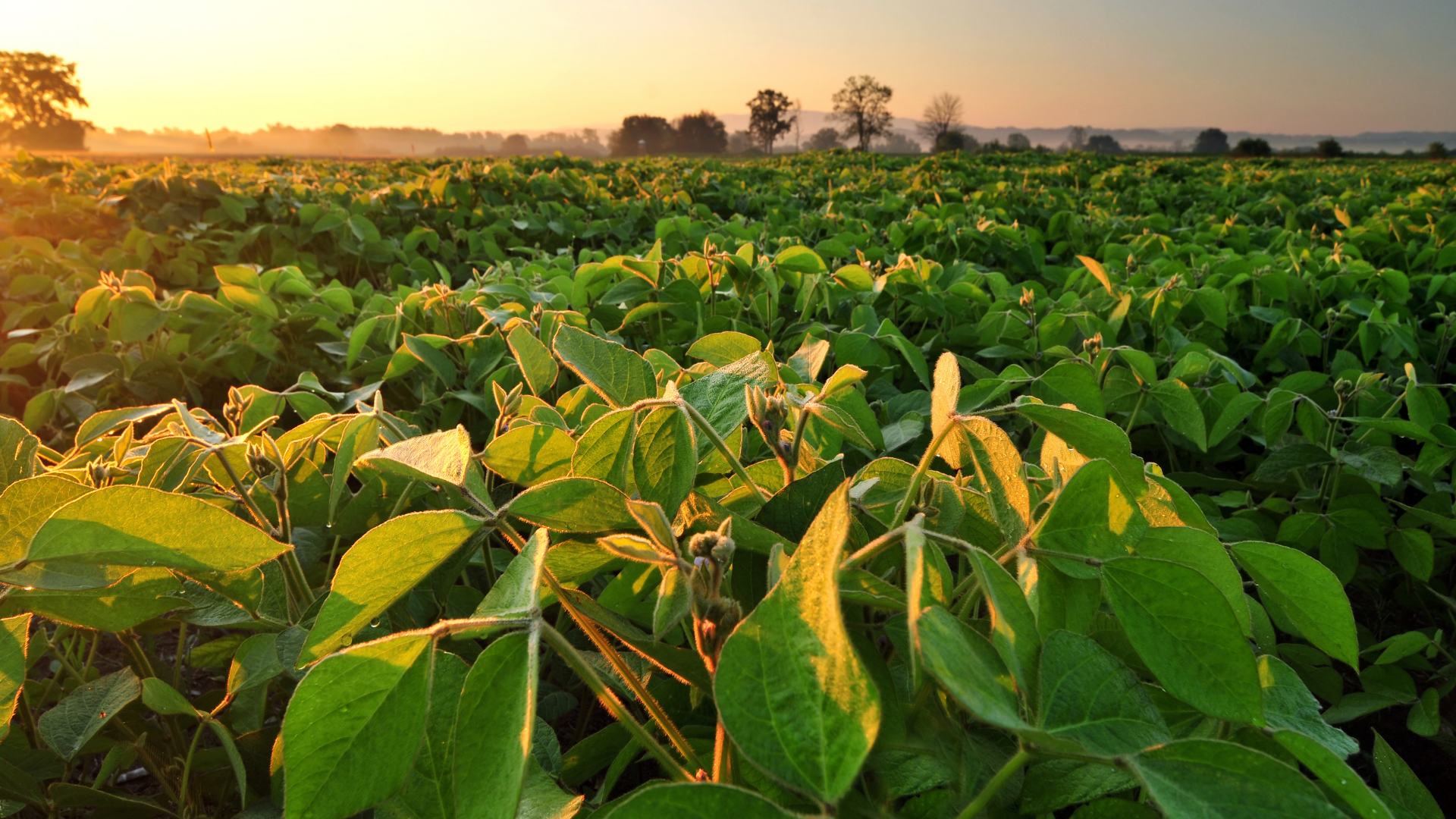
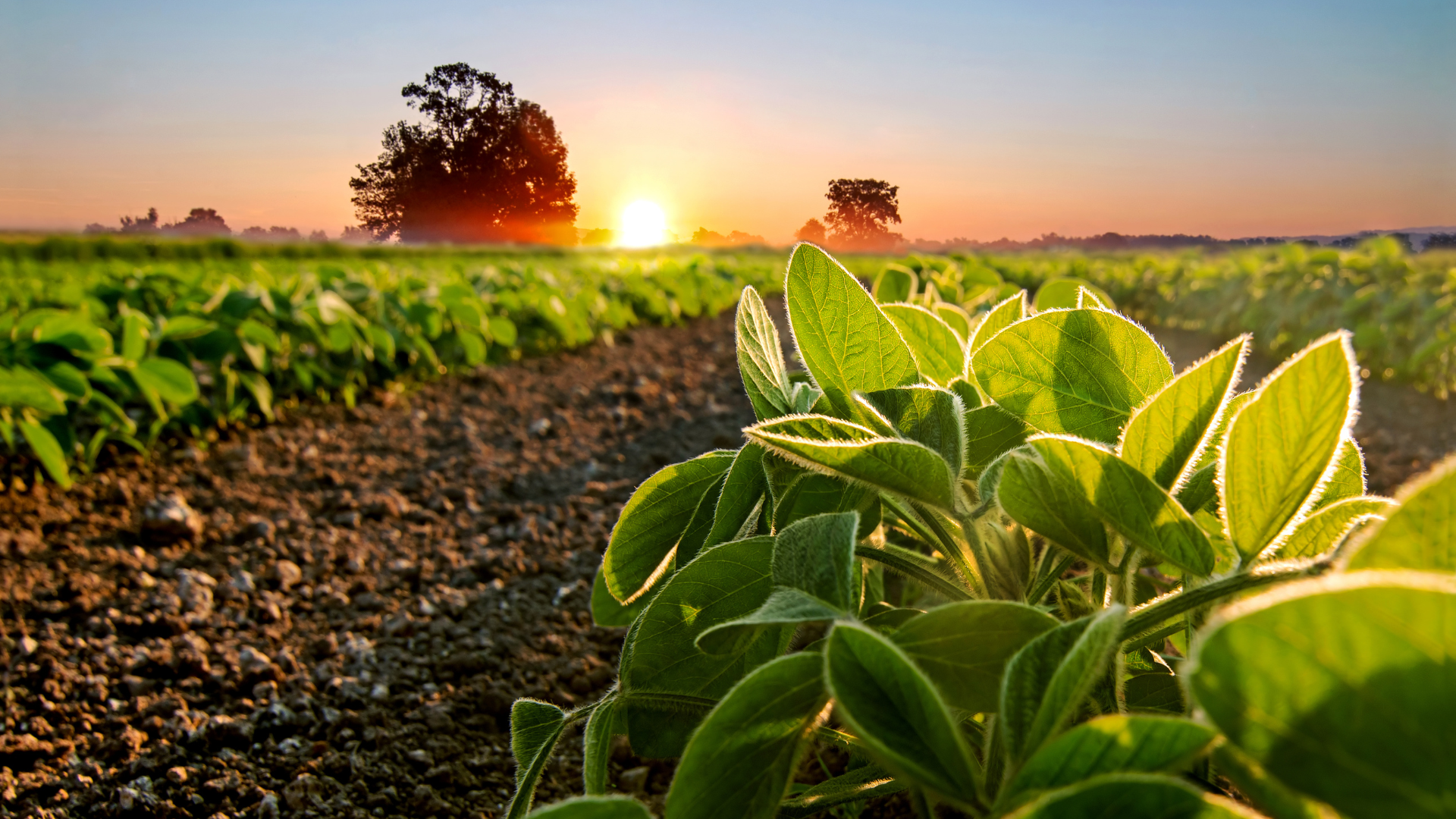
This is particularly relevant for crops such as soya beans, where cultivar characteristics and planting date influence the length and development of the growing season.
Having inputs ready does not mean rushing to plant.
It means being in a position to act when conditions are right.
The calendar matters — but conditions matter too
Planting dates remain an important part of summer grain production in the Free State, but the province covers very different production areas.
The eastern parts of the Free State generally begin planting earlier than many central and western areas, while individual farms also differ according to rainfall, soil type and local conditions.
This is why planting cannot be reduced to one date on a calendar.
Plant too early and a crop may face poor establishment or unfavourable conditions. Leave planting too late and the crop may not have enough time to complete its growth cycle under ideal conditions.
The objective is to work within the appropriate planting window while still responding to what is happening in the soil and the weather.
Preparation creates options
Farming rarely goes exactly according to plan.
Rain can arrive late. Machinery can break. Input prices can change. A field may be wetter or drier than expected.
Good preparation does not remove those uncertainties.
What it does is give the farmer more options when conditions change.
If machinery is ready, inputs are available and fields have been prepared properly, decisions can be made based on farming conditions rather than being forced by unfinished work.
That flexibility is particularly valuable in dryland agriculture.
A season is built one decision at a time
There is always anticipation as another planting season approaches.
Much of farming is ultimately dependent on factors outside anyone’s control, particularly rainfall. But there is still a great deal that can be controlled before the first seed enters the soil.
Understanding the fields, maintaining equipment, managing soil moisture, planning inputs and being ready to move when conditions allow all contribute to reducing unnecessary risk.
At Maritz Nel Family Trust, preparation is part of the farming cycle long before planting begins.
Because when the rain does arrive and the conditions are right, the work done beforehand matters.