Published 4 September 2025
Introduction
Cattle farming is one of the cornerstones of South Africa’s agricultural economy, and nowhere is this more evident than in the Free State. The province, known for its expansive grasslands and resilient farmers, plays a crucial role in feeding the country and providing employment across rural communities. Within this context, the Maritz Nel Family Trust has developed an approach to cattle farming that blends tradition with innovation, ensuring both the health of the herd and the sustainability of the land.
The Free State is not an easy place to farm. The climate is dry, rainfall is unpredictable, and the land must be managed carefully to prevent overgrazing. Yet it is precisely these conditions that shape resilient farmers and robust practices. This article explores the realities of cattle farming in the Free State and highlights how the Maritz Nel approach combines family values, dryland farming strategies, and a long-term vision to create a legacy for both the land and the community.
The Free State as South Africa’s Cattle Heartland
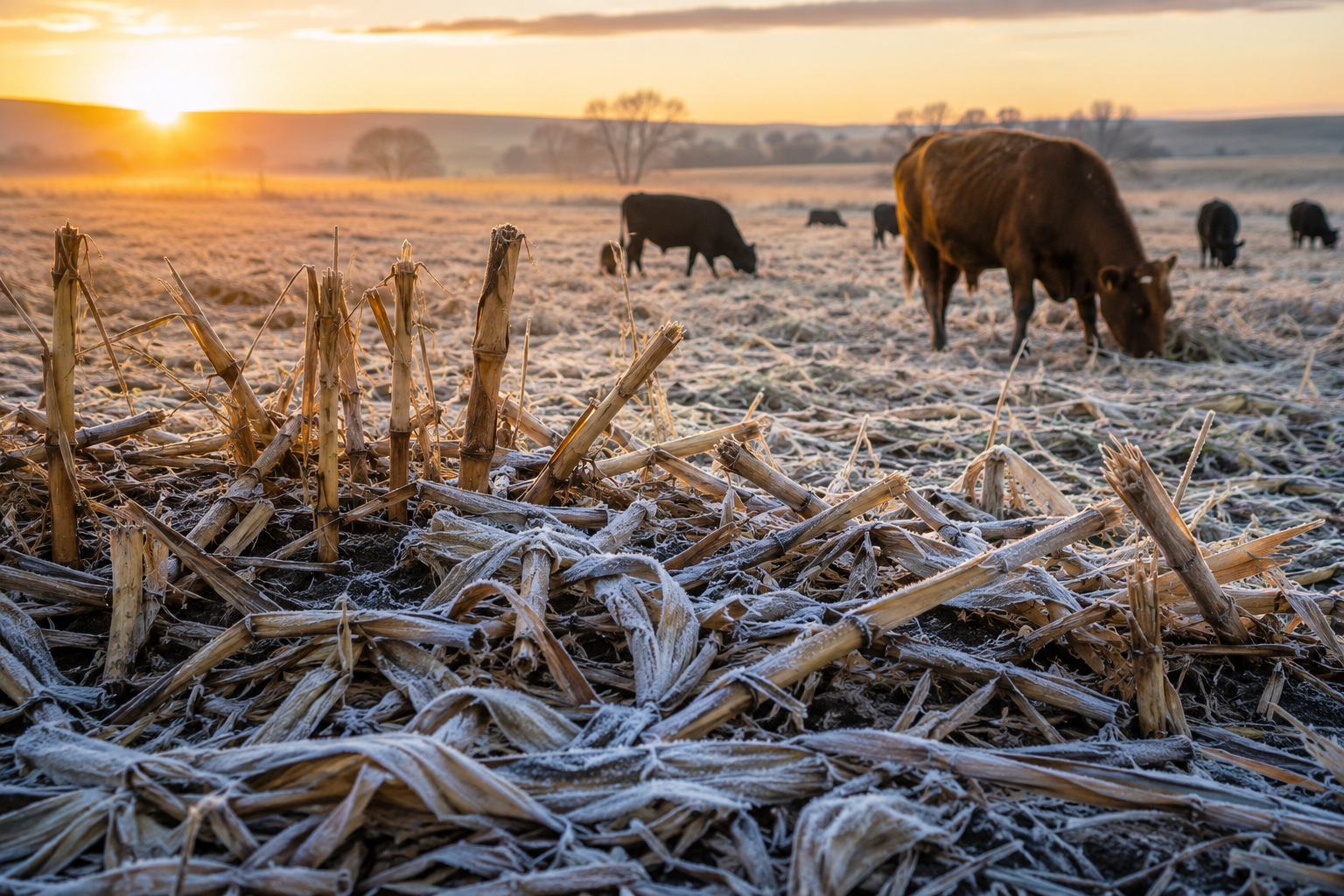
The Free State is often referred to as the agricultural heart of South Africa. Its vast grasslands make it naturally suited to cattle farming, with indigenous veld providing feed for herds across seasons. While other provinces may depend on irrigation or mixed farming, the Free State’s identity has always been closely tied to cattle and the communities that depend on them.
Cattle farming here contributes significantly to both the provincial and national economy. It supports a network of industries: feed suppliers, abattoirs, transport companies, veterinary services, and local markets. Beyond the financial figures, cattle farming sustains rural life. Families, co-operatives, and communities are bound together through farming, creating a strong social fabric.
But farming in the Free State also carries unique challenges. Rainfall patterns are increasingly unpredictable, with drought years hitting hard. Overgrazing has been a concern for decades, threatening soil fertility and long-term sustainability. Farmers must constantly balance the demands of productivity with the need to preserve land for future generations.
For those who manage to strike this balance, opportunities abound. Grass-fed beef is increasingly valued in both local and export markets, while the global conversation around sustainable farming places Free State farmers in an ideal position to demonstrate their resilience and innovation.
The Free State is home to more than 3 million head of cattle, making it one of South Africa’s largest beef-producing provinces.
Healthy Herds, Healthy Farms
At the core of any successful cattle farming operation is the health of the herd. For the Maritz Nel Family Trust, this principle guides every decision. A productive farm cannot exist without healthy animals, and animal welfare directly influences profitability, sustainability, and reputation.
The first step lies in breeding. Free State conditions demand cattle that are not only productive but also resilient. Indigenous and crossbred cattle that can adapt to variable grazing conditions are often favoured. Strong genetics mean calves are healthier, growth rates are consistent, and overall productivity remains stable even during challenging seasons.
Nutrition management is another pillar. The Free State’s natural veld provides grazing for much of the year, but supplementation is often required during winter or in drought years. Providing mineral licks, balanced feed, and ensuring access to clean water all contribute to herd strength. The ability to manage feed efficiently — without over-reliance on expensive supplements — is a hallmark of experienced farmers in dryland conditions.
Preventative veterinary care is equally important. Regular vaccinations, parasite control, and routine health checks reduce losses and keep herds stable. Stress management, especially during weaning and transport, is also a focus. Minimising animal stress not only improves welfare but also has measurable impacts on meat quality and marketability.
For Maritz Nel, healthy herds are not an afterthought but the foundation of the entire operation. The approach is simple: put the animals first, and the farm will follow. This philosophy ensures the Trust can manage risks effectively while building a reputation for quality and reliability.
“Healthy herds create healthy farms — every decision we make starts with animal welfare.” – Maritz Nel
Dryland Farming and Sustainability
The Free State is defined by dryland farming. Unlike regions that rely on irrigation, most farmers here work with what nature provides. This requires a mindset of adaptability, resourcefulness, and long-term vision. The Maritz Nel approach places sustainability at the centre, recognising that land and herd health are inseparable.
Pasture rotation is one of the most effective strategies in dryland systems. Allowing grazing lands to rest and recover prevents soil degradation and ensures the veld remains productive year after year. This requires careful planning, fencing, and monitoring — all of which demand investment but pay dividends in resilience.
Stocking rate management is another key. It is tempting to overstock during good years, but this often leads to severe problems during droughts. By keeping herd sizes in balance with the land’s carrying capacity, farmers reduce the risk of overgrazing and maintain ecological balance. This cautious approach may seem conservative, but in the long run it ensures survival through tough seasons.
Water conservation is non-negotiable. Boreholes, rainwater harvesting, and protecting natural water sources form part of a long-term plan to secure reliable supplies. In a province where rainfall can be erratic, every drop matters. Farmers who manage water well are better prepared for drought cycles.
Climate resilience is becoming increasingly important. With shifting weather patterns, farmers must be ready to adapt quickly. This may include adjusting herd sizes, introducing drought-tolerant forage crops, or investing in technology that improves efficiency. The Maritz Nel Family Trust demonstrates how blending traditional knowledge with modern practices equips farmers to withstand uncertainty.
Sustainability is not simply about environmental care; it is also about financial stability. By avoiding practices that deplete resources or create dependence on costly inputs, dryland farmers ensure they remain competitive and resilient in the long term.

The Role of the Maritz Nel Family Trust
The farming approach of the Maritz Nel Family Trust is rooted in its structure as a family trust. This model ensures continuity, stability, and long-term thinking. Decisions are not made in isolation or for short-term profit, but with an eye on the next generation and the preservation of family values.
The Trust allows resources to be managed collectively. This includes investments in infrastructure such as fencing, water systems, and machinery, as well as in land rehabilitation projects. By pooling family interests, the Trust is able to take a more strategic view, rather than reacting to immediate pressures.
A key benefit of the Trust model is the protection of knowledge and tradition. Farming practices, insights, and values are passed down, ensuring that experience is not lost between generations. At the same time, younger members are encouraged to bring new ideas and modern approaches to the table, keeping the operation adaptive and forward-looking.
Beyond the farm gate, the Trust plays an important role in the local community. Employment opportunities, support for local suppliers, and partnerships with other farmers help strengthen the regional economy. By embedding itself in community life, the Trust ensures it is not only a private business but a contributor to the broader wellbeing of the Free State.
Family trusts in farming help preserve generational knowledge while creating structures for long-term sustainability.
Economic and Community Impact
Cattle farming has ripple effects across the Free State economy. Each healthy herd supports a chain of industries and livelihoods. For the Maritz Nel Family Trust, this interconnectedness is both a responsibility and an opportunity.
Employment is a primary impact. Farm workers, drivers, and suppliers all benefit from consistent operations. Veterinary services, feed suppliers, and abattoirs depend on farms like this one to remain viable. In rural areas, where job opportunities are scarce, cattle farming provides stability for many families.
The farm’s role in community development extends beyond economics. By supporting local initiatives, whether it be schools, co-operatives, or social programmes, the Trust contributes to social cohesion. Farming is not only about animals and land; it is about people. Recognising this, the Maritz Nel approach treats community support as part of its mandate.
This sense of responsibility also builds resilience. When the farm invests in its community, the community, in turn, supports the farm. This reciprocity strengthens rural life and creates a sense of shared purpose.
Looking Ahead: The Future of Cattle Farming in the Free State
The future of cattle farming in the Free State will be shaped by both challenges and opportunities. Climate change remains a significant threat, with longer droughts and unpredictable weather patterns testing farmers’ resilience. Global market fluctuations also place pressure on local producers, especially in terms of export competitiveness.
Yet opportunities are equally clear. Demand for grass-fed, ethically raised beef is rising globally, and the Free State is well-positioned to meet this demand. Sustainable practices, such as those employed by the Maritz Nel Family Trust, provide credibility in markets increasingly sensitive to environmental and welfare concerns.
Technology will also play a larger role. From data-driven herd management to improved water systems, innovation can help farmers improve efficiency and reduce risks. The challenge lies in adopting these technologies without losing the practical wisdom that has sustained Free State farmers for generations.
The vision for the Maritz Nel Family Trust is one of continuity and growth. By keeping healthy herds at the core, practicing sustainable dryland farming, and maintaining strong community ties, the Trust is building not just for today but for decades to come.
Key Takeaways
- The Free State’s grasslands and climate make it a unique cattle farming hub.
- Healthy herds are the foundation of sustainable and profitable farms.
- Dryland farming demands resilience, careful management, and water conservation.
- The Maritz Nel Family Trust combines tradition, family values, and modern practices to create continuity and sustainability.
- The future lies in resilience, innovation, and strong community engagement.
Conclusion
Cattle farming in the Free State is as much about people and land as it is about animals. The Maritz Nel approach demonstrates how resilience, sustainability, and family values can come together to create a model of farming that is both productive and enduring. By focusing on healthy herds, sustainable dryland practices, and community support, the Trust ensures its place not only in the present but in the legacy of Free State agriculture.
This cornerstone content provides a foundation for future discussions on dryland farming, seasonal herd management, and community-focused agriculture. As the challenges of climate and economy evolve, the principles of care, resilience, and responsibility will remain the compass for cattle farmers in the Free State.