Published 8 October 2026
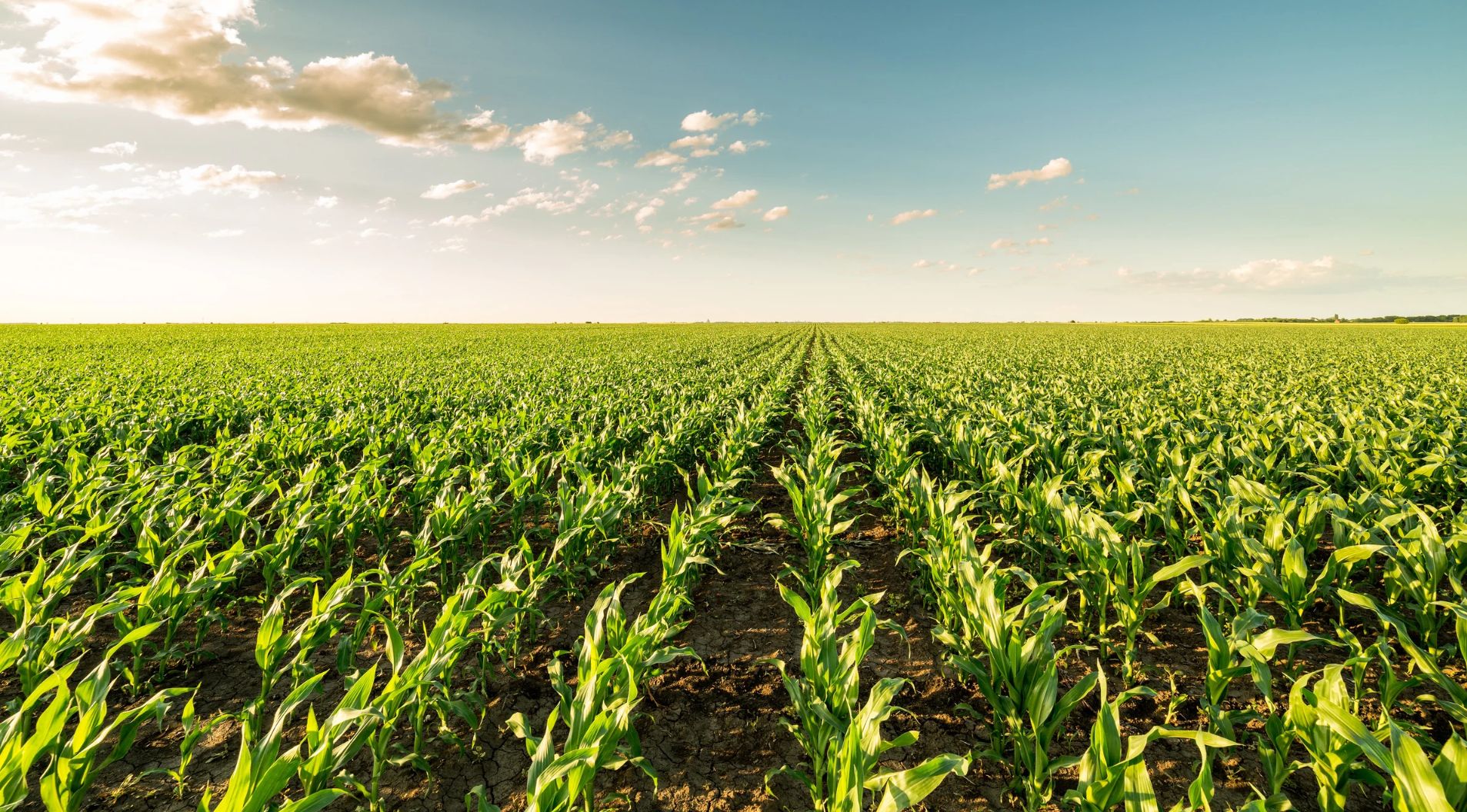
As October arrives, attention across South Africa’s summer grain regions begins to shift towards one of the most important periods of the farming year: maize planting season.
But there is no single planting date that works across the country — or even across the Free State.
Rainfall patterns, soil moisture, temperature, frost risk, cultivar choice and location all influence when maize can be planted successfully. For dryland farmers in particular, the calendar provides a useful planting window, but conditions in the field ultimately determine when the planter can begin working.
Understanding that difference is important when planning for the summer crop season.
When is maize planting season in South Africa?
Maize is primarily a summer crop in South Africa and is grown extensively throughout the country’s summer rainfall regions.
Broad planting windows vary from east to west.
South African agricultural guidelines generally place the planting period for cooler eastern production areas from the beginning of October into early November.
Central production regions tend to follow from late October through approximately the middle of November, while farmers in the drier western production areas often plant from later November into December.
These are broad guidelines rather than fixed dates.
A farmer a few kilometres away may begin planting at a different time because the soil, rainfall and available moisture on that farm are different.
This variation is particularly noticeable in the Free State.
When is maize planted in the Free State?
The Free State covers a large maize-producing area, but farming conditions are far from uniform across the province.
Eastern parts of the Free State generally experience cooler conditions and tend to enter the maize planting window earlier.
Moving towards central and western production areas, planting generally takes place later as temperatures, rainfall patterns and soil conditions change.
This means that asking, “When should maize be planted in the Free State?” does not have one simple date as an answer.
The more useful question is whether the appropriate planting window has arrived and whether conditions in the field are suitable.
For many dryland producers, that means waiting for sufficient rainfall to establish usable moisture in the soil profile.
Why rainfall matters more than the date on the calendar
A planting date can be planned.
Rain cannot.
That is one of the fundamental realities of dryland maize production.
A good rainfall event at the right time can create a planting opportunity. But the amount of rain that falls is only part of the equation.
Farmers also need to consider how much moisture has actually entered the soil, how evenly it is distributed and whether sufficient moisture is available for germination and early crop development.
A brief shower may make the soil surface appear wet without providing meaningful moisture deeper in the profile.
This is why experienced dryland farmers look beyond the rain gauge.
Soil type, previous rainfall, residue cover, evaporation and existing soil moisture all influence whether conditions are genuinely suitable for planting.
Soil moisture is an important part of the planting decision
The weeks leading into maize planting season are an important period for conserving moisture.
Crop residue left on the surface can help reduce evaporation, protect the soil against erosion and improve the amount of rainfall that infiltrates the soil.
Good soil structure is equally important.
When rain falls, the objective is not simply to receive water but to capture and retain as much of it as possible for the crop.
This becomes especially important during periods of irregular rainfall.
Two farms receiving the same amount of rain may enter planting season with very different soil moisture conditions depending on soil type, field history and management.
That is one reason maize planting dates should always be considered alongside actual field conditions.
Temperature and frost also influence planting time
Moisture is not the only consideration.
Maize requires sufficiently warm conditions for effective germination and crop development, while frost remains a risk in cooler production areas.
The length of the available growing season therefore matters.
Planting extremely early can expose emerging crops to unfavourable temperatures or late frost.
Planting too late creates a different problem: the crop has less time to complete its development before cooler conditions return later in the season.
The objective is to establish the crop within the appropriate local planting window while giving it the best possible growing period.
Cultivar choice and planting date work together
Not all maize cultivars require the same amount of time to reach maturity.
Some cultivars have longer growing periods, while others are better suited to shorter seasons or later planting conditions.
Planting date therefore cannot be considered separately from cultivar selection.
As the planting window progresses, producers may need to reconsider whether the cultivar originally planned for a particular field remains suitable.
Local experience, long-term trial results and advice from agronomists and seed suppliers all play an important role when making these decisions.
What works well in one production area may not necessarily be appropriate somewhere else.
What happens when maize is planted too late?
Planting later than the optimum window does not automatically mean that a crop will fail.
It does, however, change the risks facing the crop.
Later planting can push important growth stages into less favourable periods of the season.
Flowering and grain filling may occur under different temperature and rainfall conditions, while the time available before autumn temperatures and frost becomes shorter.
The appropriate response depends on the individual farm, cultivar, soil moisture and expected growing conditions.
This is why planting decisions become increasingly important as the season progresses.
Farmers are not simply deciding whether there is enough moisture to plant today.
They are also considering what the crop is likely to experience several months later.
What farmers are watching as October begins
Early October represents the beginning of an important transition across the summer grain regions.
In some of the cooler eastern production areas, planting may begin as conditions allow.
Across many central and western areas, however, October remains a period of watching rainfall, conserving moisture and waiting for the appropriate planting opportunity.
The focus increasingly moves towards a few important questions.
Has enough rain fallen to establish meaningful soil moisture?
Are temperatures suitable?
Is the field ready?
Is the planned cultivar still appropriate for the expected planting date?
And perhaps most importantly: if conditions are not right yet, is it better to wait?
Those decisions cannot be answered by the calendar alone.
Planting season is a window, not a single day
It is tempting to think of maize planting season as a fixed date on the farming calendar.
In reality, it is a window of opportunity.
South Africa’s broad maize planting dates provide a useful framework, but the correct timing on an individual farm depends on local conditions.
For dryland producers in the Free State, rainfall and soil moisture remain particularly important.
Preparation ensures that when the right combination of moisture, temperature and field conditions arrives, the farm is ready to make use of it.
The weather will always influence the final decision.
That uncertainty is part of farming.
But understanding the local planting window — and being prepared to act when conditions become favourable — gives a maize crop the strongest possible start.
Frequently Asked Questions
What month is maize planted in South Africa?
Maize planting generally takes place between October and December across South Africa’s main summer grain regions. Eastern production areas usually begin earlier, while central and western areas tend to plant progressively later.
When is maize planted in the Free State?
Planting dates vary across the province. Cooler eastern areas generally begin earlier in the season, while central and western areas often plant later. Rainfall, soil moisture, temperature and local growing conditions should always be considered alongside the general planting window.
Can maize be planted immediately after the first rain?
Not necessarily. The amount of rainfall, available soil moisture, soil type and expected conditions all need to be considered. Surface moisture after a small rainfall event does not always mean that enough moisture is available for successful establishment.
Why does planting date matter for maize?
Planting date affects the conditions the crop will experience throughout its growing cycle. Planting too early or too late can expose the crop to unfavourable temperatures, moisture stress or frost risk during important development stages.
Is there one ideal maize planting date for the whole Free State?
No. Conditions vary considerably across the province and even between individual farms. Planting decisions should therefore be based on the local production area and conditions in each field.