Published 28 October 2026
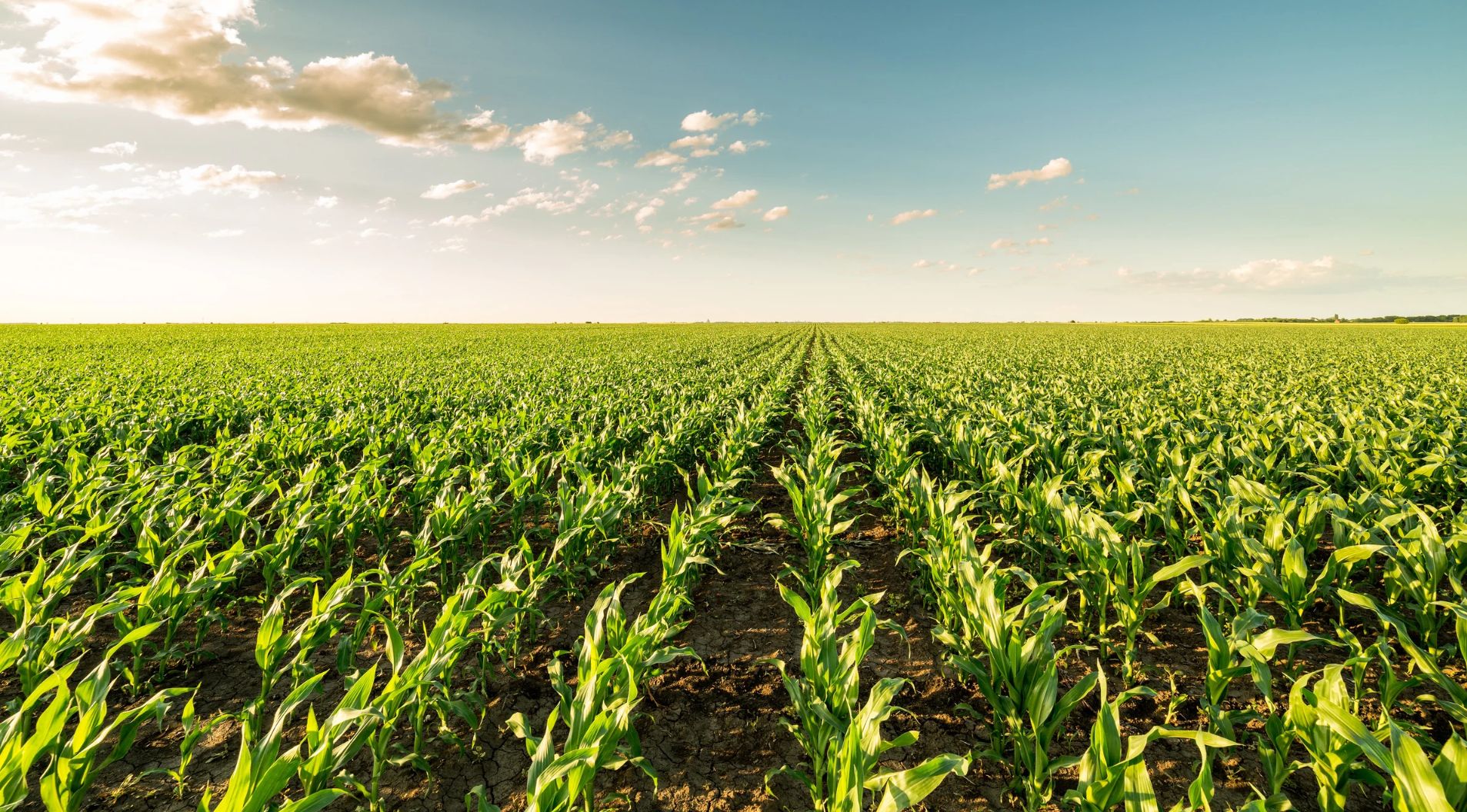
A successful maize crop starts with more than getting seed into the ground. What happens during the first few weeks after planting can influence the crop’s development and eventual yield.
Across the Free State, maize farmers spend considerable time preparing their fields, managing soil moisture and waiting for suitable planting conditions.
Once planting is complete, attention shifts to one of the first important signs of the new growing season: crop emergence.
Ideally, maize seedlings should emerge relatively evenly, creating a consistent stand across the field. However, when some plants emerge earlier than others, the difference can affect crop development long after those first few leaves appear.
Understanding why uneven emergence occurs, and how to respond, is an important part of managing maize production.
Why Uniform Emergence Matters
Maize plants compete for sunlight, water and nutrients throughout the growing season.
When seedlings emerge at approximately the same time, neighbouring plants have a more equal opportunity to establish their roots and develop their leaves.
However, plants that emerge several days later may find themselves competing with seedlings that are already further ahead.
These younger plants can become shaded and may struggle to catch up.
Although a field might eventually appear reasonably uniform from a distance, differences established during the first few weeks can influence individual plant productivity.
This is why farmers assess not only how many maize plants have emerged, but also how consistently they are developing.
What Causes Uneven Maize Emergence?
Several factors can contribute to differences in germination and seedling development.
1. Uneven Soil Moisture
For dryland maize farmers in the Free State, soil moisture is particularly important.
Rainfall may not penetrate the soil evenly, especially where soil texture, surface cover or compaction varies across a field.
Seeds planted into different moisture conditions may germinate at different rates, resulting in uneven emergence.
2. Planting Depth and Seed Placement
Consistent planting depth helps maize seed experience similar conditions during germination.
When some seeds are planted deeper than others, they may take longer to emerge.
Poor seed-to-soil contact can also affect the availability of moisture around the seed.
Maintaining planting equipment and checking seed placement are therefore important parts of establishing a uniform crop.
3. Soil Compaction and Surface Crusting
Compacted soil can restrict root development, while a hard crust on the soil surface can make it difficult for young seedlings to emerge.
Surface crusting may develop following heavy rainfall, particularly in susceptible soils.
These conditions can produce irregular patches of growth even when seed quality and planting dates are consistent.
4. Pests and Early Seedling Damage
Insects, seedling diseases and other early-season problems can affect germination and establishment.
Missing or weakened plants should therefore be investigated rather than automatically attributed to rainfall.
Examining the seed, roots and surrounding soil can help identify the likely cause.
The Importance of Early Field Inspections
The first few weeks after planting provide an opportunity to identify problems before they become less obvious.
Farmers can assess:
- Plant population: Are sufficient seedlings establishing across the field?
- Emergence consistency: Are most plants at a similar growth stage?
- Plant spacing: Are there gaps or unusually crowded sections?
- Seedling health: Are roots, stems and leaves developing normally?
- Problem patterns: Are affected areas scattered, concentrated in patches or following particular planting rows?
Recording these observations can also help identify recurring problems that may need attention before the next season.
Should an Uneven Maize Field Be Replanted?
Discovering an irregular crop stand can be concerning, particularly after the investment already made in seed, fertiliser, fuel and machinery.
However, replanting is not automatically the best solution.
A field with some uneven emergence may still produce a worthwhile crop.
Before deciding to replant, farmers need to consider the remaining plant population, the extent of the damage, the likely yield of the existing crop and the time remaining in the planting season.
Replanting also brings additional costs and may expose the new crop to greater seasonal risks.
In dryland production, where rainfall timing is uncertain, these decisions become particularly important.
A careful field assessment, supported by local agronomic advice where necessary, is generally more useful than reacting to an uneven appearance alone.
Small Differences Early Can Have Lasting Effects
Maize production involves decisions at every stage, from soil preparation and planting through to crop protection and harvesting.
Yet some of the most important observations happen when the plants are still small.
Identifying uneven emergence early can help farmers understand whether the problem relates to moisture, equipment, soil conditions or crop health.
It can also provide valuable information for improving future planting operations.
At the Maritz Nel Family Trust, dryland crop production forms part of an ongoing commitment to responsible agricultural management in the Free State.
Every growing season brings different conditions, and successful farming requires continuous observation and adaptation.
Because a healthy maize crop is not determined by planting alone.
It begins with giving every seedling the best possible opportunity to establish itself.