Published 21 May 2026
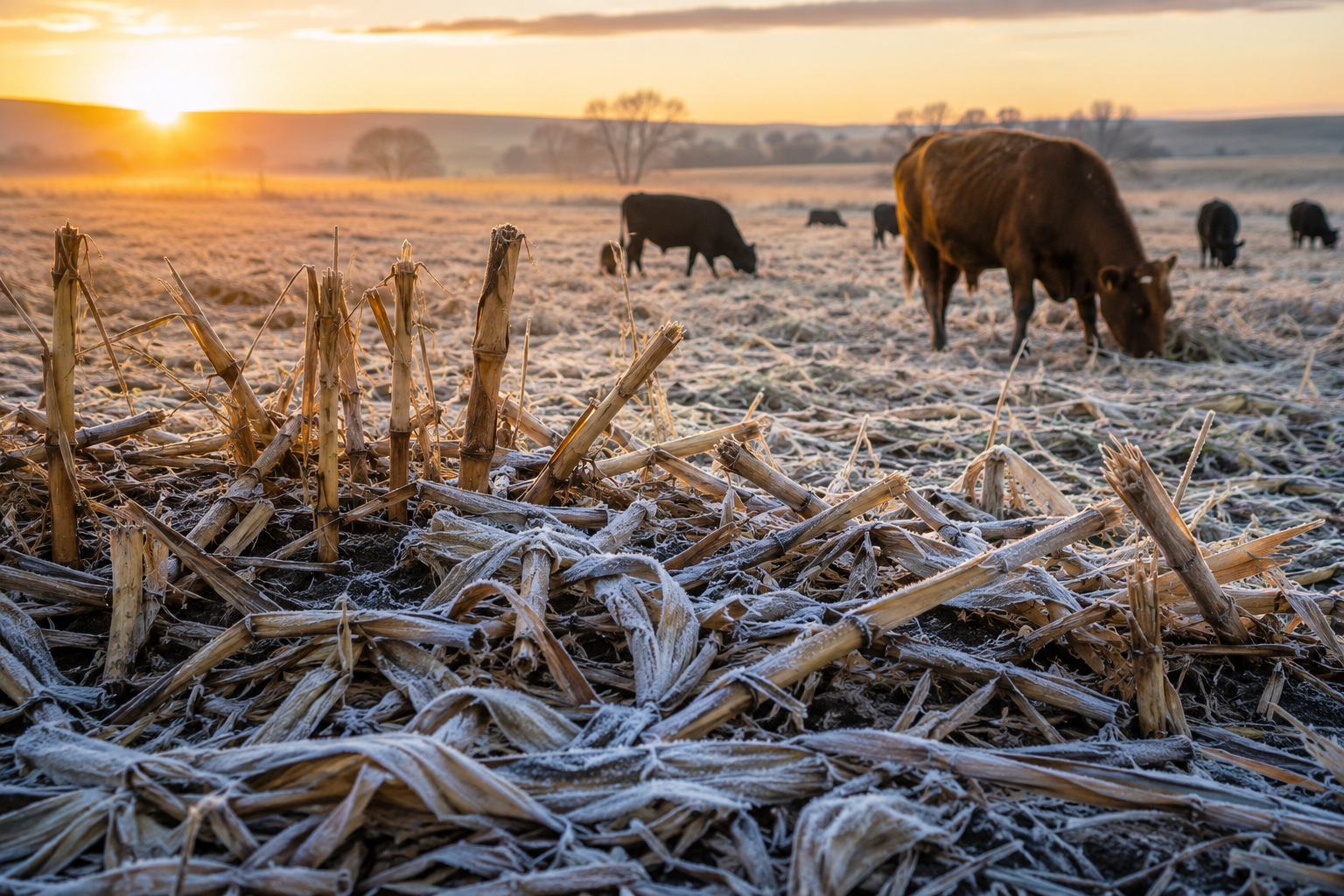
Winter in the Free State brings a unique set of challenges for livestock farmers. Cold mornings, dry grazing conditions, frost, and nutritional pressure can place significant stress on cattle, sheep, and other farm animals during the colder months. While many farmers focus heavily on crop management during seasonal transitions, livestock health during winter remains equally important for maintaining productivity and long-term herd performance.
The dry winter climate of the Free State can create difficult conditions for grazing animals. Natural veld quality declines, water sources may become limited, and sudden temperature drops can weaken animals that are already under nutritional stress. Young livestock, older animals, and weaker individuals are often the most vulnerable during this period.
Good winter management is not only about treating disease when problems appear. Preventative care, nutritional planning, and close observation are often the difference between a healthy herd and costly losses during the colder months.
Respiratory Illness and Pneumonia
Cold weather and sudden temperature changes can increase the risk of respiratory illness in livestock. Pneumonia is one of the more common winter health concerns, particularly in young calves or animals exposed to stressful environmental conditions.
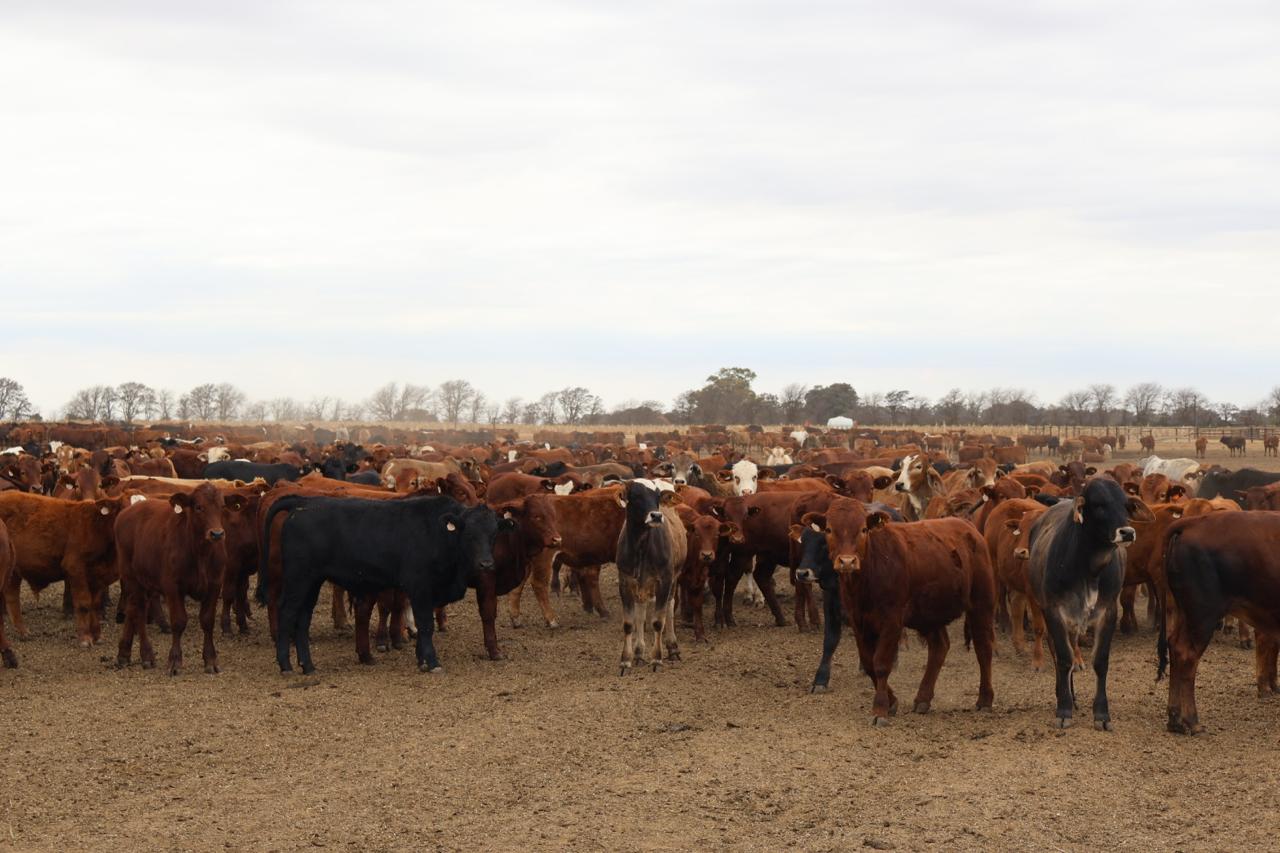
Dry winter winds and dusty camps can irritate the respiratory system, while overcrowded feeding areas or poorly ventilated shelters may allow infections to spread more easily. Animals weakened by poor nutrition are also more susceptible to respiratory problems.
Common warning signs may include:
- coughing
- nasal discharge
- reduced appetite
- laboured breathing
- lethargy or isolation from the herd
Early detection is important. Farmers who regularly monitor herd behaviour are often able to identify problems before they become severe.
Reducing stress during cold fronts, maintaining clean feeding areas, and ensuring livestock have access to adequate nutrition can help lower the risk of respiratory illness during winter.
Nutritional Stress During Winter
One of the biggest winter challenges in the Free State is declining grazing quality. As veld loses nutritional value during dry winter months, livestock may struggle to maintain body condition without proper supplementation.
Protein and mineral deficiencies can develop when animals rely solely on poor-quality winter grazing. This often leads to weight loss, weakened immune systems, reduced fertility, and lower productivity.
Cattle and sheep entering winter in poor condition are far more vulnerable to disease and environmental stress. Body condition scoring can be a valuable management tool during this period, helping farmers identify animals that may require additional support.
Supplementation strategies may include:
- winter lick supplementation
- protein-rich feed sources
- mineral supplementation
- strategic roughage management
- maintaining consistent access to clean water
Sudden feed changes should also be avoided where possible, as abrupt dietary adjustments can create digestive problems and place additional stress on livestock.
Internal Parasites and Weakened Immunity
Although parasite pressure is often associated with warmer seasons, internal parasites can still affect livestock during winter. Animals weakened by poor nutrition or environmental stress may struggle to cope with even moderate parasite burdens.
Overgrazed camps can increase the likelihood of parasite exposure, particularly when grazing becomes limited during dry conditions. Strategic deworming and pasture management remain important components of winter livestock care.
Farmers should monitor for signs such as:
- weight loss
- poor coat condition
- diarrhoea
- reduced growth rates
- weakness or lethargy
A proactive herd health programme helps reduce the long-term impact of parasites while supporting stronger immune function during colder months.
Foot Problems and Camp Conditions
Winter weather in the Free State can vary significantly. Dry conditions may dominate for long periods, but cold fronts and winter rainfall can quickly create muddy areas around feeding points, water troughs, and handling facilities.
Wet or muddy conditions increase the risk of hoof problems and infections, particularly in sheep and cattle that spend extended periods standing in damp areas. Uneven terrain and hard ground can also contribute to foot injuries during dry conditions.
Regular inspection of camps, feeding areas, and walkways can help reduce unnecessary strain on livestock. Farmers should also ensure that animals are not forced to walk excessive distances for water or feed during harsh winter periods.
Calves and Young Livestock Require Extra Attention
Young animals are especially vulnerable during winter due to their smaller body reserves and developing immune systems. Cold stress can affect growth rates and increase susceptibility to disease.
Calves that do not receive adequate nutrition early in life often struggle to cope during difficult winter conditions. Shelter from strong winds and proper bedding in handling or housing areas can make a significant difference during severe cold spells.
Extra monitoring is often required for:
- newborn calves
- recently weaned animals
- weaker individuals
- livestock recovering from illness
Farmers who identify struggling animals early are usually better positioned to prevent more serious health complications later in the season.
Vaccination and Preventative Management
Preventative healthcare remains one of the most effective tools available to livestock farmers. Maintaining vaccination schedules and working closely with animal health professionals can help reduce the risk of seasonal disease outbreaks.
Winter is often the result of accumulated stress factors rather than a single isolated issue. Poor nutrition, cold weather, parasites, overcrowding, and insufficient monitoring can combine to create serious herd health problems if not addressed proactively.
Strong preventative management includes:
- regular herd observation
- strategic supplementation
- parasite control
- clean water availability
- maintaining body condition
- reducing unnecessary stress
- preparing for sudden weather changes
Livestock farming in the Free State requires resilience and long-term planning. Every winter season brings different challenges, and successful farmers are often those who adapt quickly to changing environmental conditions while maintaining a strong focus on animal wellbeing.
Final Thoughts
Winter in the Free State can place considerable pressure on livestock systems, particularly during dry years or periods of nutritional stress. However, careful planning and proactive management can significantly reduce the impact of seasonal health challenges.
Healthy livestock are the result of consistent daily management, good nutrition, preventative care, and close observation throughout the colder months. By preparing early and responding quickly to potential problems, farmers can protect herd performance and improve long-term sustainability even during difficult winter conditions.
As with many aspects of agriculture, success during winter often comes down to preparation, adaptability, and experience gained over time in local farming conditions.