Published 1 April 2026
Winter is where many dryland cattle systems quietly lose money.
Not because of one big mistake — but because of small, compounding ones:
- underestimating feed requirements
- over-relying on poor-quality grazing
- reacting too late when conditions drop
In dryland systems, winter is predictable. The problem is that feed planning often isn’t.
This article breaks down how to approach winter feeding practically, economically, and within a crop–livestock system.
1. Understand the Real Problem: It’s Not Just Quantity
Most farmers think winter feeding is about:
“Do I have enough feed?”
The real issue is:
Do I have enough usable nutrition over time?
In dryland systems:
- grazing quantity declines
- protein drops sharply
- digestibility falls
By late autumn, veld protein can drop below critical levels, and cattle start losing condition if not supplemented
That means:
- you can still “have grass”
- but cattle are effectively underfed
2. Start With a Simple Feed Budget
Before anything else, you need a rough feed plan.
Basic approach:
- Number of animals
- Days of winter feeding (typically 90–120+)
- Available feed sources
Feed sources in dryland systems:
- Natural veld
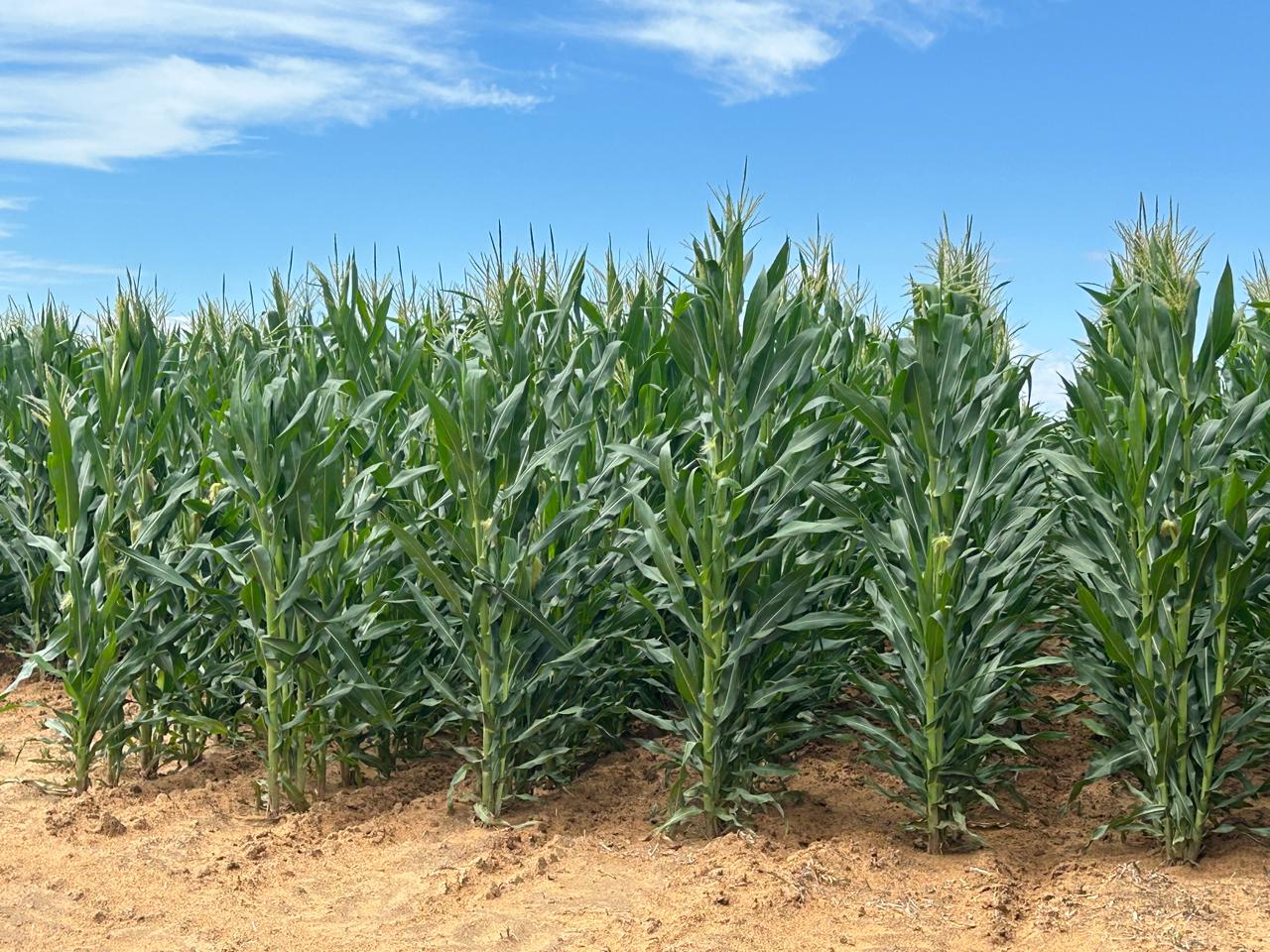
- Crop residues (maize, soya)
- Stored feed (hay, silage)
- Supplements (licks, protein, energy)
👉 The goal is not to maximise feeding —
👉 it’s to minimise bought-in feed while maintaining condition
3. Crop Residue Is Your Biggest Advantage
If you’re running maize/soya, this is where your system wins.
Why residue matters:
- It’s already on the field
- It’s low cost
- It extends grazing significantly
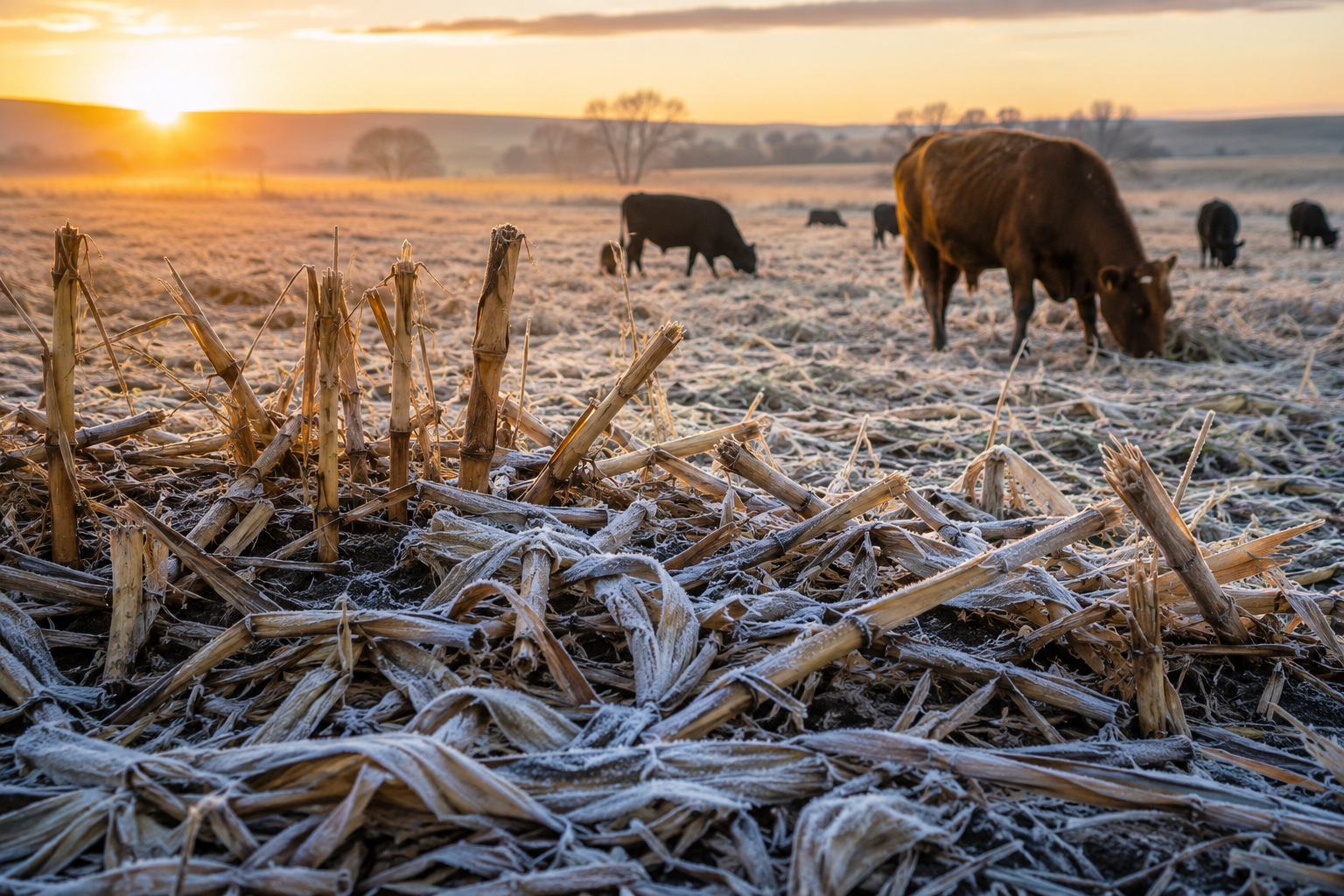
Maize residue in particular is one of the most widely used and cost-effective winter feeds in Southern Africa
Without crop residues, winter feed shortages would be significantly worse in low rainfall systems
How to use it properly:
1. Graze in situ (don’t over-handle)
- Cheapest option
- Returns nutrients back to soil
- Reduces fertiliser needs over time
2. Control grazing pressure
- Avoid overgrazing residues too early
- Stretch availability into deeper winter
3. Understand limitations
Residue is:
- low in protein
- variable in energy
👉 It is not a complete feed
4. Supplementation Is Not Optional
This is where many systems fail.
When veld and residues drop in quality:
- rumen function slows
- intake drops
- animals lose condition
Minimum requirement:
- protein supplementation (winter lick)
Protein licks:
- support rumen microbes
- improve digestion of low-quality forage
- increase utilisation of available feed
When to step up supplementation:
- Late winter
- Pregnant cows
- Young/growing animals
Production licks or energy supplements may be necessary depending on condition.
5. Manage Body Condition — Not Just Feed
Your real KPI is not feed usage.
It’s:
Body condition going into spring
A practical rule:
- cattle should not enter winter already underweight
- recovery during winter is expensive
Many systems aim for:
- moderate condition before winter
- maintenance through winter
- recovery only when grazing improves
6. Reduce Feeding Days (Big Cost Lever)
Winter feeding is often the highest cost in cattle systems
So the goal is:
reduce the number of days you have to feed
How to do this:
1. Extend grazing as long as possible
- use crop residues
- stockpile veld where possible
2. Use rotational grazing
- improves utilisation
- reduces waste
3. Delay hay feeding
- hay is expensive
- use it strategically, not as default
7. Integrate Crops and Livestock Properly
This is where dryland systems can outperform others.
Integrated systems:
- use crop residues
- use cover crops or forage crops
- cycle nutrients through livestock
Mixed crop–livestock systems are globally dominant because they optimise resource use across seasons
Practical integration ideas:
- Graze maize lands post-harvest
- Rotate livestock through fields
- Use cover crops for winter grazing
- Return manure to cropping system
8. Plan for Risk (Most Overlooked Step)
Even good plans fail without flexibility.
Common risks:
- early frost
- lower residue than expected
- drought carryover
- rising feed prices
Always have:
- backup feed (even if minimal)
- a trigger point to sell stock
- flexibility in stocking rate
9. The Biggest Mistakes in Winter Feed Planning
❌ Planning too late
Feed decisions made in winter are expensive
❌ Overestimating grazing
Quantity ≠ quality
❌ Ignoring protein
Low-quality feed without supplementation fails
❌ Feeding reactively
Waiting until condition drops
❌ No cost control
Winter feeding can quietly destroy margins
10. A Practical Approach (Simple System)
A realistic dryland winter feeding strategy often looks like:
- Start with veld + crop residues
- Add protein lick early
- Monitor condition
- Introduce hay only when needed
- Adjust based on weather and feed availability
Final Thought
Winter feeding is not about feeding more.
It’s about:
- planning earlier
- using what you already have
- supplementing correctly
- controlling costs
Done properly, winter becomes:
a managed phase — not a financial leak.