Published 24 February 2026
Crop rotation is one of the most powerful and cost-effective tools available to South African farmers. Among rotational crops, soya beans stand out for their ability to improve soil health, reduce fertiliser costs, and increase maize yields in the following season. For growers looking to build long-term productivity and resilience, adding soya into the rotation is not just a trend—it’s a proven agronomic strategy.
Why Soya Works So Well in Rotation
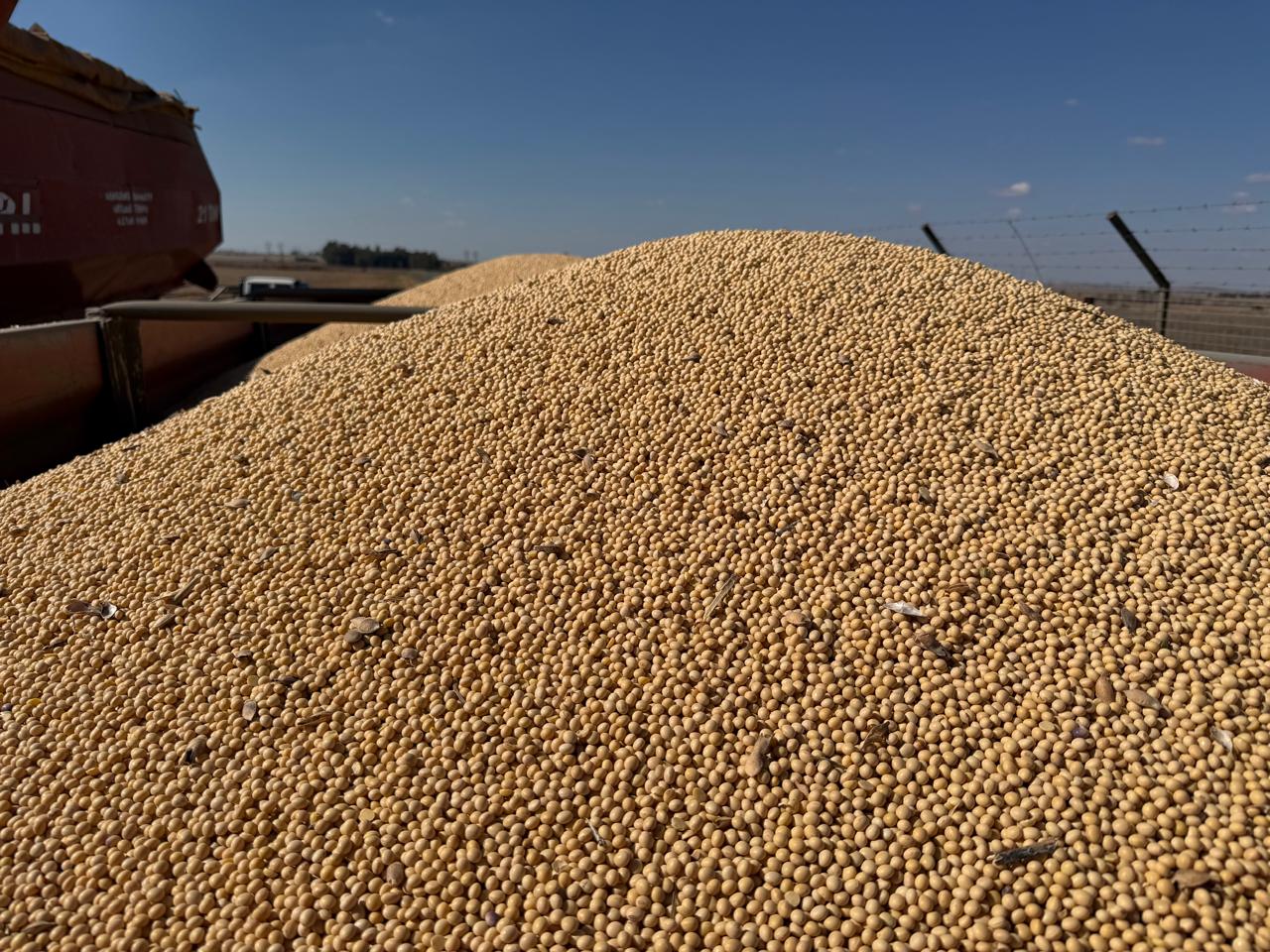
Soya beans are legumes. That means they form a symbiotic relationship with Rhizobium bacteria in the soil, which fix nitrogen from the air and convert it into forms plants can use.
In practical terms:
- Soya adds nitrogen to the soil
- Maize planted afterward benefits from that nitrogen
- Fertiliser requirements can decrease
- Soil health improves over time
For many South African growers, the maize-soya rotation has become a cornerstone of sustainable grain production.
1. Nitrogen Fixation: Nature’s Fertiliser
Nitrogen is one of the most expensive inputs in maize production. Soya plants, when properly inoculated with the right bacteria, can fix significant amounts of nitrogen during the growing season.
Typical benefits
- Up to 30–60 kg/ha of nitrogen may remain available for the following crop
- Reduced need for synthetic fertiliser
- Lower input costs and improved margins
In regions where fertiliser prices fluctuate, this benefit alone can make rotation financially attractive.
2. Improved Maize Yields After Soya
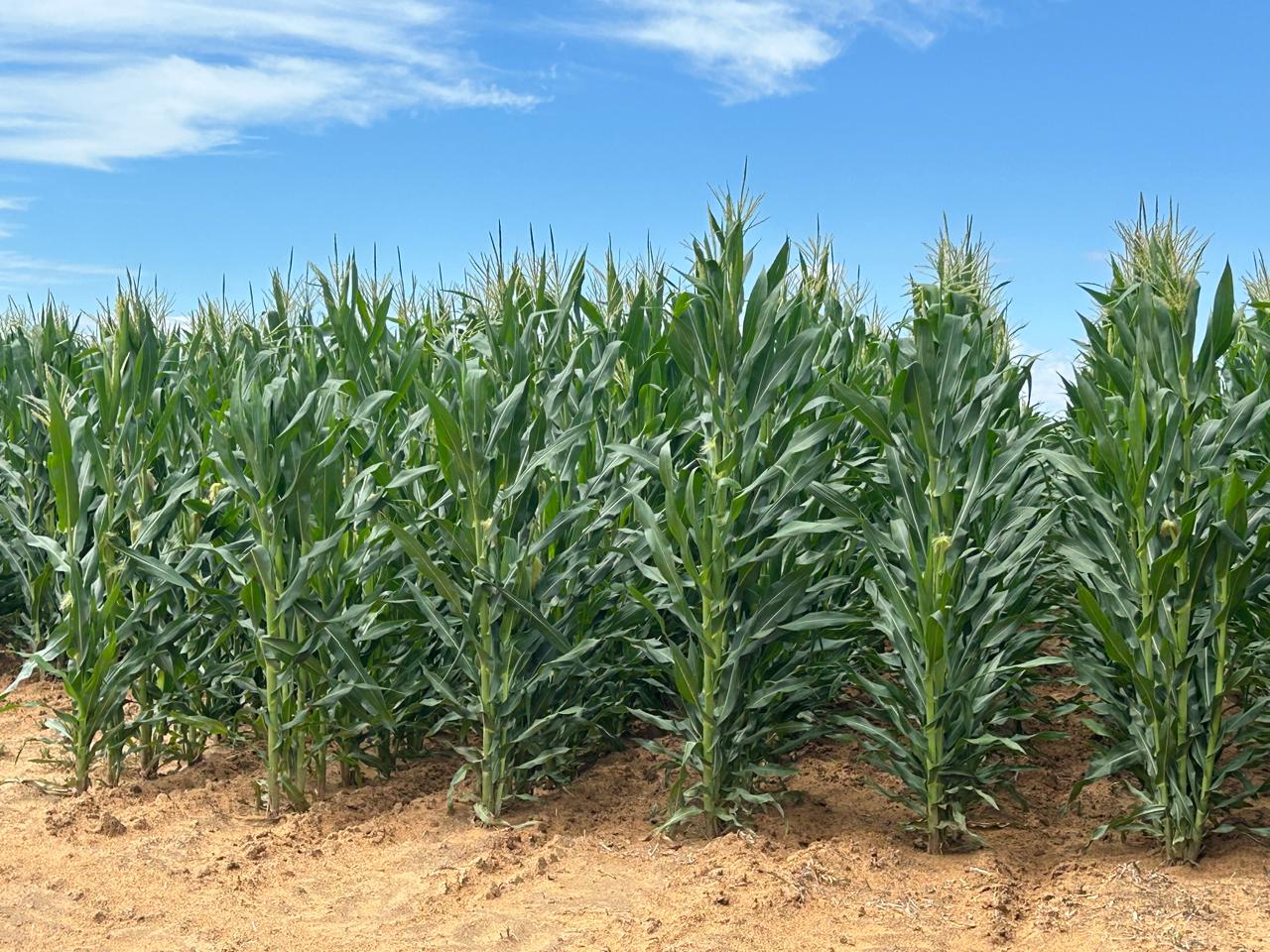
Many farmers notice stronger maize crops after soya compared to continuous maize.
Reasons include:
- Better nutrient availability
Residual nitrogen and improved soil biology help maize establish faster.
- Reduced pest and disease pressure
Rotating crops breaks pest and disease cycles common in monoculture maize.
- Improved soil structure
Soya roots help loosen compacted soil and improve water infiltration.
Studies and farmer experience across South Africa show maize yield increases of 5–15% after soya rotation under similar rainfall conditions.
3. Weed and Pest Control Benefits
Continuous maize encourages certain weeds and pests to dominate. Rotating with soya disrupts their lifecycle.
Examples
- Different herbicide programs reduce resistant weeds
- Reduced stalk borer pressure
- Lower disease carryover
This can reduce pesticide costs and improve crop health in future seasons.
4. Soil Structure and Moisture Retention
Soya contributes organic matter through roots and crop residue. Over time, this leads to:
- Better soil aeration
- Increased water infiltration
- Reduced erosion
- Improved moisture retention
In dryland farming regions, this improved soil resilience is extremely valuable.
5. Where Soya Rotation Works Best in South Africa
Soya production has expanded rapidly in provinces like:
- Mpumalanga
- Free State
- KwaZulu-Natal
And increasingly in parts of the Western Cape under irrigation.
Industry organisations such as Grain SA regularly promote rotation practices due to their economic and environmental benefits.
6. Practical Tips for Successful Soya Rotation
- Use proper inoculation
Ensure seeds are inoculated with the correct Rhizobium strain.
- Choose the right cultivar
Select varieties suited to your rainfall, soil type, and planting window.
- Manage residue correctly
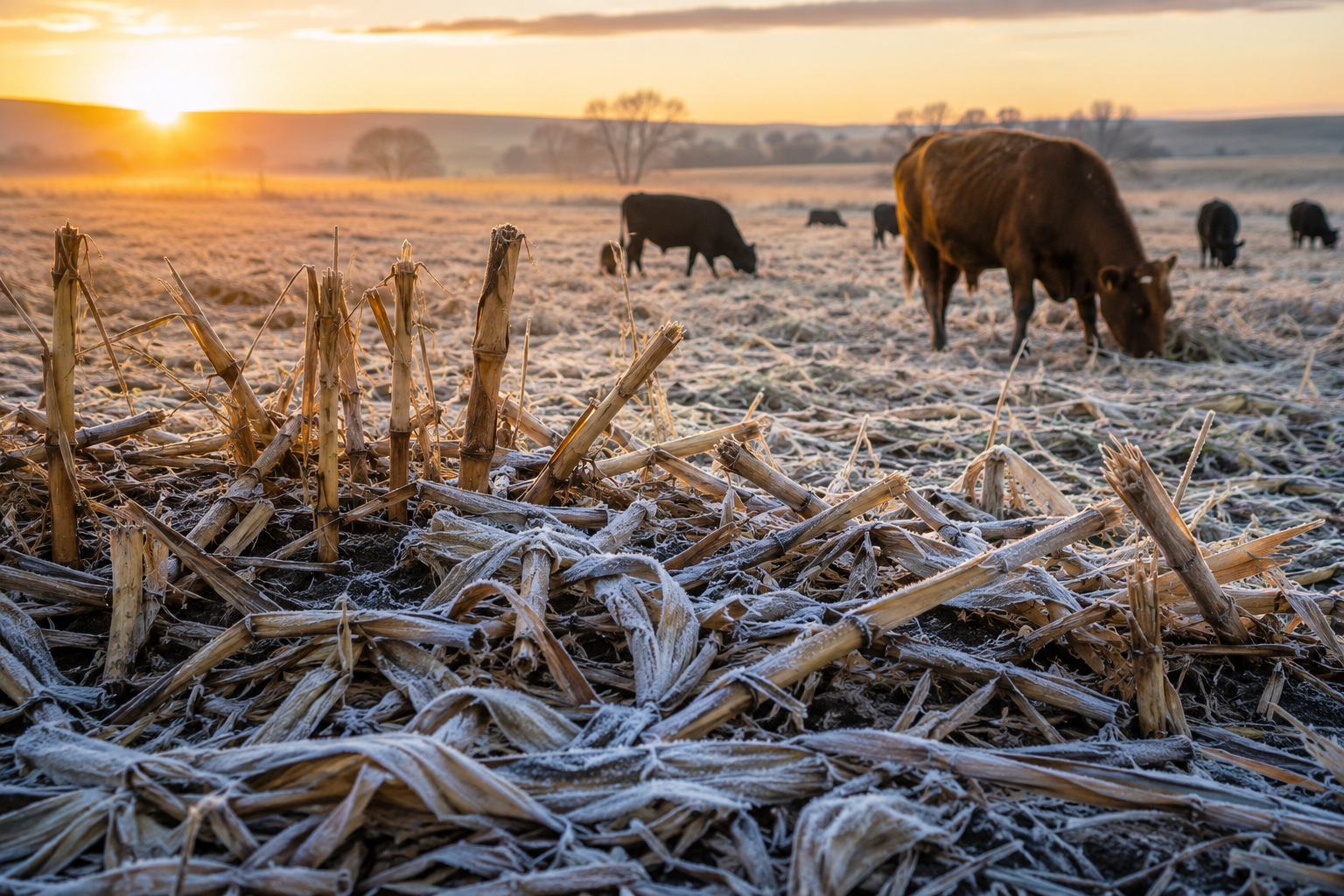
Leave enough crop residue to protect soil, but avoid excessive buildup that hinders planting.
- Plan fertiliser carefully
Reduce nitrogen on the maize crop after soya, but still test soil to guide application.
- Monitor pests and weeds
Rotation helps, but integrated pest management is still important.
7. Economic Advantages Beyond Yield
Soya rotation can also:
- Spread financial risk across crops
- Improve cash flow timing
- Open access to feed markets and crushers
- Reduce fertiliser dependence
With growing demand from the poultry and animal feed sectors, soya remains an important strategic crop in South Africa.
Final Thoughts
Soya is more than just another crop—it’s a soil-building partner that strengthens maize production and farm sustainability. By improving nitrogen levels, reducing pest pressure, and enhancing soil structure, soya rotation offers both agronomic and economic rewards.
For South African growers looking to increase yields while managing input costs, integrating soya into the rotation is one of the smartest long-term decisions you can make.