Published 5 November 2026
The start of a new maize growing season brings fresh opportunities, but also a familiar challenge for farmers across the Free State: weeds.
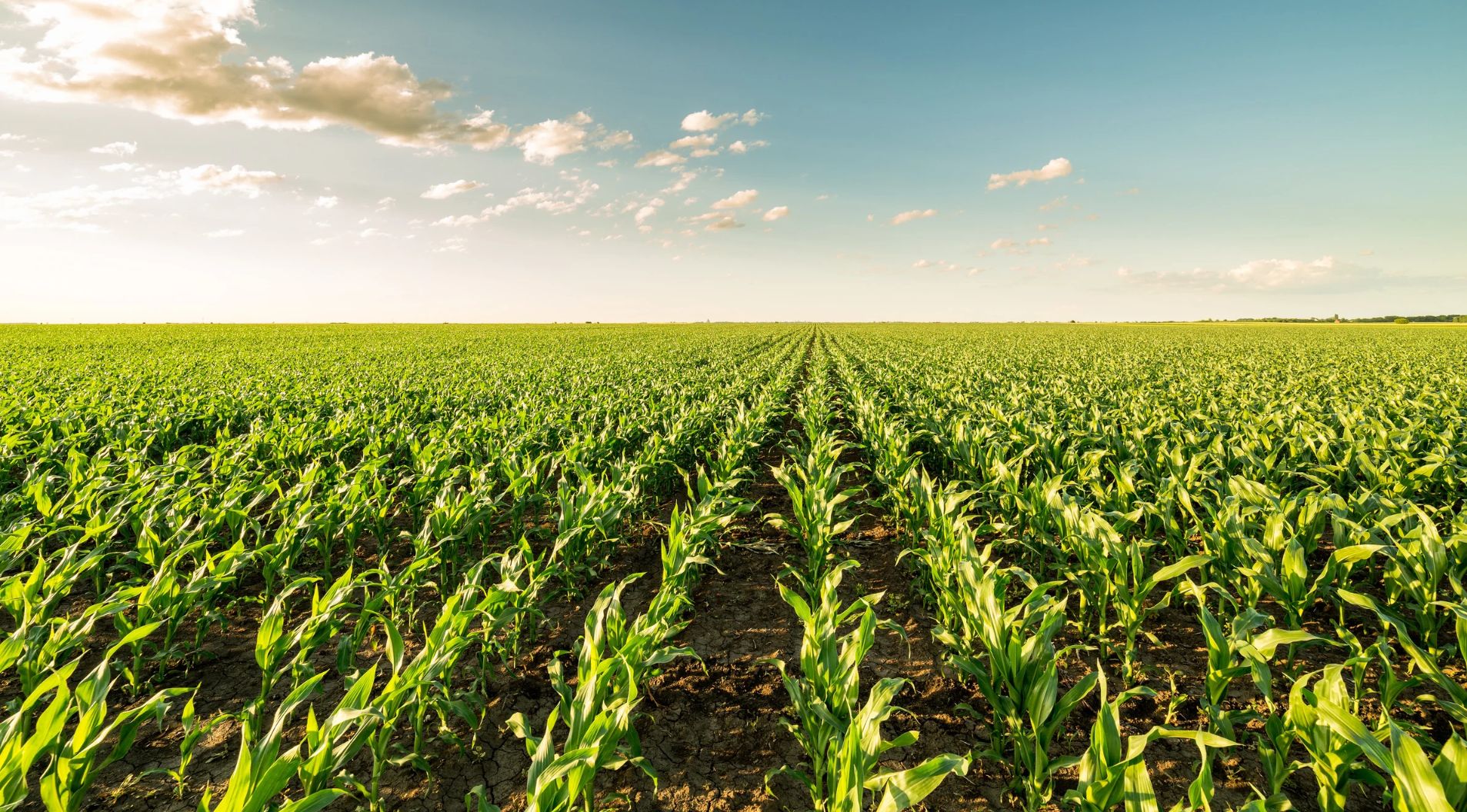
As summer rainfall encourages newly planted maize to emerge, it also creates favourable conditions for unwanted vegetation to grow. While a few weeds between young maize plants may seem harmless, competition during these early stages can have lasting consequences for crop development.
For farmers working to achieve consistent yields, effective weed management is an important part of protecting the investment already made in seed, fertiliser, machinery and land preparation.
Why Early Weed Competition Matters
Young maize plants need sufficient moisture, sunlight and nutrients to establish healthy roots and develop strong growth.
Unfortunately, weeds depend on those same resources.
When weeds emerge alongside maize seedlings, they begin competing almost immediately. This competition can be particularly damaging during the first few weeks of crop development, when the maize plant is establishing its potential for the remainder of the season.
Even if weeds are eventually removed, the crop may not fully recover from stress experienced during these early growth stages.
This is why early weed control is not simply about maintaining clean-looking fields. It is about giving maize the best possible conditions to establish itself.
Protecting Valuable Soil Moisture
In the Northern Free State, where much of the maize crop is produced under dryland conditions, soil moisture is one of the most valuable resources available to farmers.
Rainfall can vary significantly between seasons, and every millimetre of moisture stored in the soil contributes to the crop’s ability to withstand periods of limited rainfall.
Weeds can draw on this moisture before maize plants have established extensive root systems.
Controlling weeds early helps reduce unnecessary competition for available water, particularly during periods when rainfall is inconsistent.
It also allows the crop to make better use of the nutrients already present in the soil.
Timing Is More Important Than Appearance
One of the challenges with weed management is that a field can appear relatively clean while small weeds are already beginning to establish themselves.
Waiting until weeds become large and clearly visible may allow unnecessary competition to develop.
Regular field inspections can help identify emerging weeds before they become a more serious problem.
Effective weed management considers several factors, including:
- The types of weeds present in each field.
- The growth stage of the maize crop.
- Soil moisture and recent rainfall.
- The effectiveness of earlier weed control measures.
- Weather conditions and suitable treatment opportunities.
Identifying problems early gives farmers more options and can reduce the need for costly corrective measures later in the season.
Every Field Requires a Different Approach
Not all fields experience the same weed pressure.
Soil type, previous crop rotations, historical weed problems and cultivation practices can all influence which weeds emerge and how quickly they spread.
Some fields may have persistent grass weeds, while others experience greater pressure from broadleaf species.
A successful weed management programme therefore requires more than applying the same solution across every field.
It involves understanding local conditions, monitoring weed populations and selecting suitable control measures.
Where herbicides are used, choosing registered products appropriate for the crop, weed species and growth stage is essential. Following label instructions and professional agricultural guidance helps protect both the crop and the effectiveness of future weed control.
The Importance of Long-Term Weed Management
Weed control does not begin and end with a single growing season.
Allowing weeds to mature and produce seed can create problems that continue for years, increasing weed pressure and future management costs.
Long-term strategies may include crop rotation, appropriate soil management, preventing weed seed production and combining different control methods where practical.
These approaches can also help reduce the risk of herbicide resistance, which becomes more likely when the same control methods are repeatedly relied upon.
For productive farming operations, managing weeds is part of maintaining the long-term health and profitability of agricultural land.
Small Decisions That Protect a Season’s Potential
Successful maize production depends on many decisions made throughout the growing season.
Rainfall and temperature will always influence the final outcome, but farmers can improve their chances by managing the factors within their control.
Early weed identification, timely intervention and ongoing field monitoring are among those factors.
At Maritz Nel Family Trust, we understand that productive agriculture requires attention to detail, careful planning and a long-term commitment to the land.
As the new summer growing season develops across the Northern Free State, protecting young crops from unnecessary competition remains an important part of building towards a productive harvest.
Strong crops start with good management, and the first few weeks can make a meaningful difference.